Steinbach’s Best Soft-Wash Exterior Cleaning — Gentle, Eco-Friendly, Built to Last

Soft washing uses low-pressure water combined with biodegradable cleaning solutions to safely remove mold, algae, mildew and other organic stains instead of blasting them away. Homeowners and business owners across Steinbach and Southeast Manitoba choose soft-wash exterior cleaning because it protects fragile surfaces, extends finishes, and keeps properties looking cleaner for longer compared to high-pressure methods. Below we explain how soft washing works, the step-by-step routine our certified technicians follow, the benefits for common surfaces, and how to pick the right approach for your building. You’ll find practical guidance on when to use soft wash versus pressure washing, what to expect for roofs, siding, decks and concrete, and which commercial solutions work best for storefronts and multi-unit buildings. Finally, we outline local service options from Denver’s Window Cleaning & SoftWash and how our certified team delivers safe, eco-conscious exterior care in Steinbach.
What is soft washing and how does it work for Steinbach exteriors?
Soft washing combines a low-pressure spray with biodegradable cleaners that sanitize and lift biological growth from exterior surfaces without abrasive force. The formulas use surfactants and active antimicrobial ingredients that break down microbial cell structures and root-like attachments so organisms can be rinsed away, which helps slow regrowth. Because the method avoids high-pressure abrasion, it preserves sensitive materials—like asphalt shingles, painted siding and wood—and provides a sanitizing dwell time that treats contaminants at their source. In Steinbach’s climate, where humidity and seasonal conditions encourage biological growth, soft washing targets the organisms that create black streaks and staining, reducing how often you need to clean and protecting manufacturer warranties.
Key steps in our soft-wash process
Here’s the practical workflow our trained technicians use to deliver safe, consistent soft-wash results for Steinbach properties. The process focuses on inspection, correct dilution, controlled application, sufficient dwell time, and a verified rinse to remove contaminants while limiting environmental impact.
- Site inspection and hazard assessment: We walk the property to identify surfaces, staining, and any vulnerable elements before work begins.
- Pre-treatment and protection: Sensitive plants, fixtures and runoff paths are protected or masked as needed.
- Low-pressure chemical application: Biodegradable cleaning solutions are applied with calibrated low-pressure equipment for even coverage.
- Dwell time and sanitization: The solution is left to work so it can break down biofilms and root attachments.
- Rinse and final check: Surfaces are gently rinsed and a quality inspection confirms the job meets our safety and performance standards.
This step-by-step routine produces predictable sanitation while reducing the risk of surface damage, which leads into how our cleaning agents actually work.
How biodegradable cleaners target mold, algae and mildew
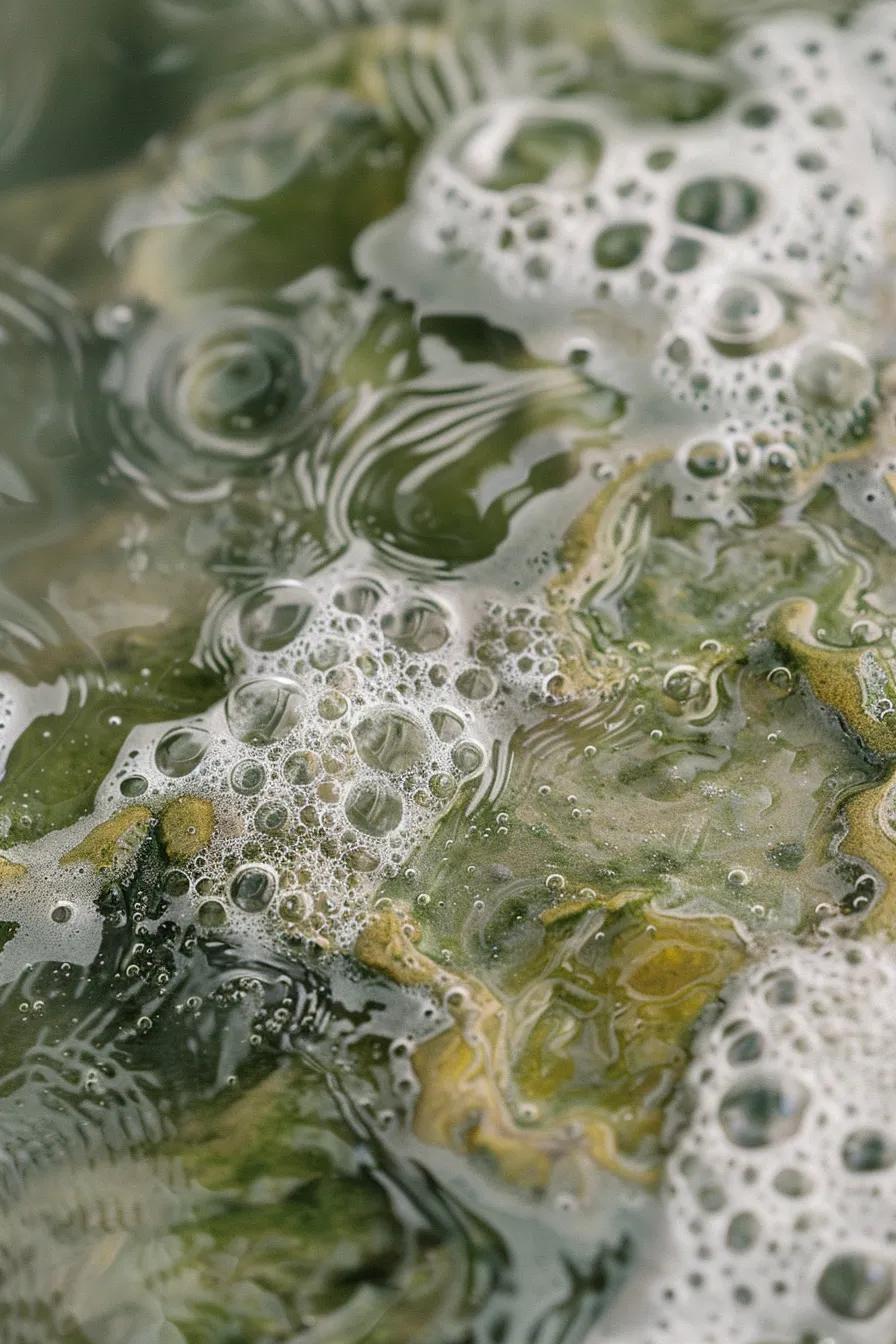
Our biodegradable soft-wash blends use surfactants with targeted antimicrobial actives to penetrate biofilms and disrupt the structure of algae, mold and mildew. Surfactants reduce surface tension so actives can reach cell walls; during dwell time those actives break down proteins and membranes, causing organisms to detach and decay. A low-pressure rinse removes residues and leaves the surface sanitized, which delays re-colonization and lowers the health risks tied to airborne spores. Because these formulas biodegrade, they break down into safe components over time, and our crews follow containment and runoff best practices to protect plants and local waterways.
On local jobs we adjust dilution and dwell time to match temperature and growth density so results are reliable—now let’s look at the benefits you can expect.
Benefits of soft-wash exterior cleaning for Steinbach homes and businesses
Soft washing delivers several practical benefits for residential and commercial properties in Steinbach: longer-lasting results, protection for surfaces, and environmental advantages that lower long-term maintenance costs. By treating biological contaminants at the organism level, soft washing cuts re-growth frequency and preserves substrate integrity, which improves curb appeal and reduces lifecycle expenses. The method also uses less aggressive water pressure and biodegradable chemistries to limit surface and environmental harm. The table below summarizes the main benefits and typical outcomes for quick scanning.
| Benefit | Attribute | Typical Result |
|---|---|---|
| Longevity | Typical duration | Visual cleanliness often lasts 4–6× longer than pressure washing for biological stains |
| Surface protection | Material safety | Low-pressure application lowers the risk of shingle, siding and wood damage |
| Environmental impact | Chemical profile | Biodegradable agents plus containment reduce ecological footprint |
| Health & safety | Contaminant reduction | Effective removal of mold and algae reduces allergens and spore load |
Soft washing extends the interval between major cleans and helps avoid premature replacement of roof and siding components, lowering lifetime costs. If you want a local solution, Denver’s Window Cleaning & SoftWash pairs SoftWash Systems–certified technicians with biodegradable chemistries and service options in Steinbach; contact us to schedule a consult or request a free estimate.
Why soft washing stays cleaner longer than pressure washing
Soft washing lasts longer because it sanitizes the organisms—algae, mold and mildew—at their roots rather than only stripping surface residue. The active antimicrobials plus appropriate dwell time break down the biofilm that lets organisms re-establish quickly after pressure-only cleaning, so visual cleanliness is often extended across multiple cleaning cycles. Fewer cleanings lower total ownership costs for roofs and siding and help keep manufacturer warranties intact, since high-pressure abrasion can void some warranties. Knowing how long results last helps homeowners plan seasonal care and budgets.
Those longevity gains also tie into why soft washing is generally safer and more eco-friendly for many Steinbach properties.
Why soft washing is safer and more eco-friendly in Steinbach
Soft washing reduces the risk of mechanical damage to delicate materials—like granule loss on asphalt shingles, paint lift on siding, and fiber abrasion on wood—because it relies on low-pressure application. Targeted biodegradable chemistries limit persistent residues, and smaller water volumes plus controlled runoff protect stormwater systems and nearby vegetation when handled correctly. For occupied homes and busy businesses, low-pressure methods also lower the risk of injury or property damage linked to high-pressure equipment. These safety and environmental benefits make soft washing a responsible choice for Steinbach neighborhoods and commercial areas.
Next we compare soft washing and pressure washing side-by-side so you can match the method to the surface and soil type.
Soft washing vs. pressure washing — which is right for your exterior surfaces?
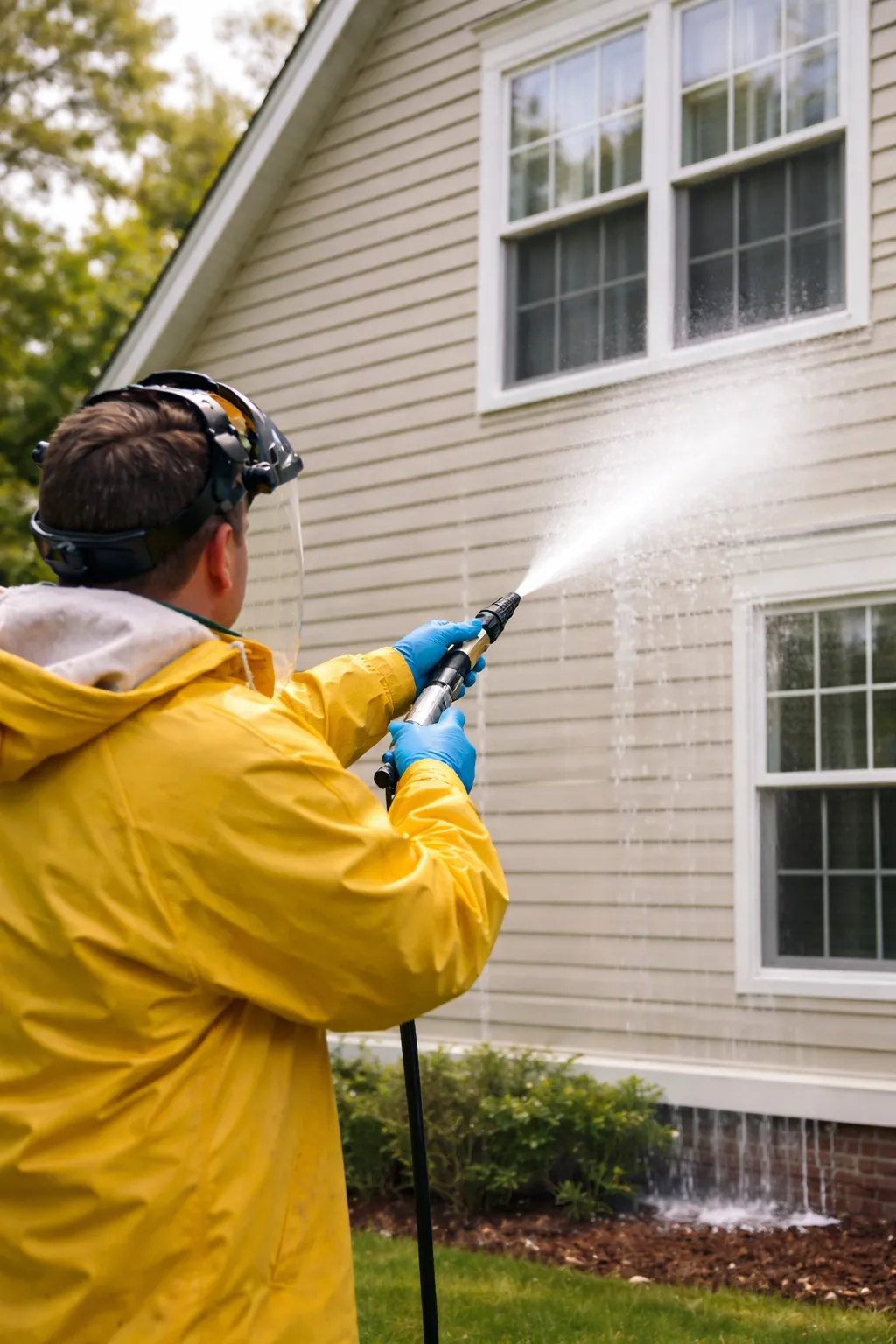
Soft washing relies on chemical sanitization and low-pressure application; pressure washing depends on mechanical force to dislodge dirt and stains. Soft wash is the better choice for biological growth and delicate materials, while pressure washing suits heavy soiling, grease or concrete where surface abrasion is acceptable. The comparison table below highlights the main differences to help Steinbach property owners decide.
| Approach | Typical Pressure | Primary Use |
|---|---|---|
| Method | High-pressure water (abrasion) | Low-pressure spray + biodegradable chemicals |
| Best for | Concrete, heavy dirt, grease removal | Roofs, siding, decks and other biological stains |
| Surface safety | Higher risk of damage | Low risk when applied correctly |
| Re-cleaning frequency | Often more frequent for biological stains | Less frequent; longer-lasting visual results |
This quick comparison helps you match the cleaning method to surface type and contamination. Use the checklist below to decide which approach fits your needs.
- Choose soft washing for biological stains, delicate surfaces, and when you need to protect warranties and finishes.
- Choose pressure washing for heavy buildup on durable surfaces like concrete where abrasion is acceptable.
- Combine methods when needed: soft wash to remove organics, then targeted pressure for stubborn grease or oil spots.
With that guidance in mind, here are practical recommendations for common surfaces.
When to choose soft washing over pressure washing
Pick soft washing for biological growth—black roof streaks, green algae on siding, mildew on decks—or anytime surfaces are fragile or have protective finishes that could be stripped by high pressure. Soft wash is ideal for asphalt shingle roofs, painted or vinyl siding, older wood decks and decorative masonry where sanitization without etching is the goal. Pressure washing still has a place for driveways and heavy-duty concrete, but often the best long-term result is a soft wash for organic removal followed by a low- to mid-pressure rinse for stubborn deposits. Use these guidelines to protect materials and extend the time between major cleans.
Which surfaces are best for soft washing vs. pressure washing?
Soft washing works best on roofs, siding, wood decks, fences and commercial facades where biological growth harms appearance and material integrity. Pressure washing is better for concrete, heavy oil or grease stains and very durable masonry. Here’s a short list of common surfaces and the recommended approach for each.
- Asphalt shingle roofs: Soft wash removes algae and black streaks without stripping granules.
- Vinyl and painted siding: Soft wash preserves paint and seals while killing mold and mildew.
- Wood decks and fences: Soft wash cleans without abrading wood fibers, preparing surfaces for sealing or staining.
- Concrete and driveways: Pressure wash for deep grease or oil; soft wash works well for biological staining.
These recommendations help you choose treatments that protect materials and maintain curb appeal. Next we map soft-wash capabilities to the most common exterior surfaces in Steinbach.
Which exterior surfaces in Steinbach can be soft washed?
Soft washing is safe and effective on many common Steinbach surfaces: roofs, siding, decks, fences, brick facades and certain concrete areas where biological staining dominates. For each surface we use the right dilution, application technique and dwell time to sanitize while preserving the substrate. The table below explains why soft wash works on these surfaces and what you can expect to gain.
| Surface | Why soft wash works | Expected result / benefit |
|---|---|---|
| Roof (asphalt shingles) | Chemical sanitization dissolves algae and spores without scouring | Black streaks removed; less shingle wear |
| Vinyl / painted siding | Low pressure prevents paint lift while killing mold and mildew | Even cleaning and preserved finish |
| Wood decks & fences | Gentle cleaning removes biofilms without fiber abrasion | Clean wood ready for sealing or staining |
This mapping clarifies which surfaces are a good fit for soft washing and sets realistic expectations for outcomes and follow-up care.
How soft washing improves roof cleaning and algae removal in Steinbach
Soft washing breaks down algae and organic stains that create black streaks and then rinses residues without the abrasive force that can strip shingle granules. Active agents penetrate the biofilm and target root attachments, lowering reappearance and helping protect roof warranty conditions that may prohibit high-pressure cleaning. After treatment, roofs typically show a clear visual improvement and a longer interval before re-growth—especially when paired with routine roof inspections and gutter maintenance. We recommend periodic checks to monitor performance and schedule follow-ups as needed.
Advantages of soft washing for siding, decks and concrete
For siding and decks, soft washing preserves finishes and wood fibers by avoiding mechanical abrasion while delivering deep sanitization of mildew and algae—this prepares surfaces for painting, sealing or staining and helps those finishes last longer. On concrete and pavers, soft washing removes biological stains such as green algae or moss without the etching high-pressure streams can cause; stubborn grease or oil may still need pressure-assisted cleaning. Pairing soft wash with protective treatments—like deck sealers or masonry inhibitors—extends results and cuts maintenance frequency.
These surface benefits are especially valuable for commercial properties that require consistent presentation and regular upkeep.
Commercial soft-wash solutions for Steinbach businesses
Commercial soft-wash services for Steinbach include scheduled façade sanitation, awning and parking-structure cleaning, multi-unit exterior maintenance plans, and flexible after-hours work to reduce disruption. Programs can be one-time restorations or recurring contracts that match seasonal needs and tenant turnover, helping property owners maintain curb appeal and slow façade degradation. Typical maintenance plans include regular inspections, priority scheduling and documented work—features that help with asset management and tenant satisfaction. For businesses that rely on appearance and customer trust, regular soft-wash maintenance is a cost-effective way to protect property value.
How soft washing boosts commercial maintenance and curb appeal
Soft washing keeps storefronts and building exteriors clean and welcoming, which improves customer perception and foot traffic. Consistent exterior care reduces complaints and reactive repairs, protecting signage, awnings and entryways from biological staining that undermines a brand’s image. We can schedule work around busy hours to avoid disruption, and documented outcomes—like fewer re-cleans and clearer facades—help justify recurring maintenance budgets.
Local project summaries and references are available on request as part of a property consultation.
Case studies: soft washing success for Steinbach commercial properties
Short project summaries show the impact of planned soft-wash programs: examples include storefront façade revitalizations that cut visible staining and extended paint cycles, and multi-unit maintenance plans that reduced tenant complaints about mildew and odor. A common result across projects is fewer re-cleans and lower lifecycle maintenance costs after implementing a regular soft-wash schedule. Property managers who want measurable results or references can request project summaries and consults to see how similar strategies would work for their buildings.
When choosing a provider, look for certified technicians and documented processes—details we cover next.
Why choose Denver’s Window Cleaning & SoftWash for Steinbach soft-wash services?
Denver’s Window Cleaning & SoftWash is a local, family-owned provider serving Steinbach and Southeast Manitoba. Our team includes SoftWash Systems–certified technicians who use low-pressure application and biodegradable cleaning agents to deliver long-lasting, eco-friendly exterior cleaning. Family-owned since 2006 and offering soft-wash services since 2019, we serve homeowners and business owners across Steinbach, Winnipeg, Whiteshell and Kenora. Our key strengths are certified training, careful containment and environmental best practices, and service guarantees designed to give customers confidence. To discuss a property plan or schedule a consult, call us at (204) 320-1935 or request an on-site estimate for Steinbach-area properties.
Quick value points that explain what we offer:
- Certified technicians: SoftWash Systems training for safe dilution and application.
- Eco-friendly practices: Biodegradable solutions and careful runoff management.
- Longer-lasting results: Sanitizing approach that commonly extends cleanliness 4–6× versus pressure-only methods.
- Local coverage: Service available across Steinbach and surrounding Southeast Manitoba communities.
Why our SoftWash Systems certification matters
SoftWash Systems certification means our crews follow standardized training in chemistry, dilution rates, application and safety protocols—reducing the chance of improper use that can harm materials or vegetation. Certified technicians use documented procedures for inspection, containment and waste management so biodegradable agents are applied responsibly and tailored to local conditions. This consistency improves results and helps protect warranties for roofs and other sensitive surfaces. Certification is a strong trust signal that we pair with local references and project documentation.
How testimonials and warranties reflect our service quality
Customer feedback typically highlights responsiveness, visible improvement and reliability when work is done by trained teams. Ask providers for documented warranties and a clear scope of work so you know what’s covered after treatment. Reputable companies offer guarantees that set expectations for follow-up care and clarify responsibilities if biological staining returns. To evaluate quality, request references, maintenance-plan details and any written guarantees for roof cleaning or recurring services.
Choosing a certified, experienced local provider with clear warranty terms helps Steinbach property owners protect their investment and maintain a polished exterior.
Frequently asked questions
1. How often should I schedule soft washing for my property?
We usually recommend soft washing every 1 to 3 years, depending on exposure to shade, humidity and local growth. Properties in shaded or damp spots may need more frequent attention. Regular inspections help determine the best schedule to keep surfaces clean and extend the life of exterior materials.
2. Can soft washing harm plants or landscaping?
When done by trained technicians, soft washing is designed to protect landscaping. Crews mask sensitive plants and use biodegradable cleaners that break down safely. Tell us about any vulnerable plants or features before we start so we can take extra precautions.
3. Will soft washing remove tough stains like rust or grease?
Soft washing excels at biological stains—mold, algae and mildew—but rust and heavy grease often need pressure washing or specialized treatments. If you have mixed stains, a two-step approach—soft wash for organics followed by targeted pressure cleaning for grease or rust—usually gives the best result.
4. How should I prepare my property for soft washing?
Clear the work area by moving outdoor furniture, potted plants and decorations that might block access. Let your provider know of any special concerns or areas needing extra care. Close windows and doors to prevent any cleaning solution from entering the home.
5. How long does a soft-wash service take?
Timing depends on property size and scope. A typical residential soft wash often takes 1 to 3 hours. Larger commercial jobs or multi-surface projects will take longer; we’ll give a more precise estimate during the consult.
6. Are the cleaning agents safe for pets and children?
Yes—our biodegradable cleaners are generally safe once surfaces are dry. We recommend keeping pets and children away from treated areas while solutions are wet, and follow any waiting period advised by your provider to ensure safety and effectiveness.
7. What signs show my property needs a soft wash?
Look for visible mold, algae or mildew on surfaces, black streaks on roofs, discoloration of siding or decks, or slippery areas on patios. A drop in curb appeal is another sign. Regular inspections catch issues early and keep your property looking its best.
Conclusion
Soft-wash exterior cleaning offers Steinbach homeowners and businesses a safe, effective way to maintain properties and boost curb appeal. Using biodegradable agents and low-pressure techniques protects fragile surfaces while delivering longer-lasting results than traditional pressure washing. Professional soft washing reduces maintenance costs and extends the life of exterior materials. Contact Denver’s Window Cleaning & SoftWash today to discuss a tailored cleaning plan for your property.