
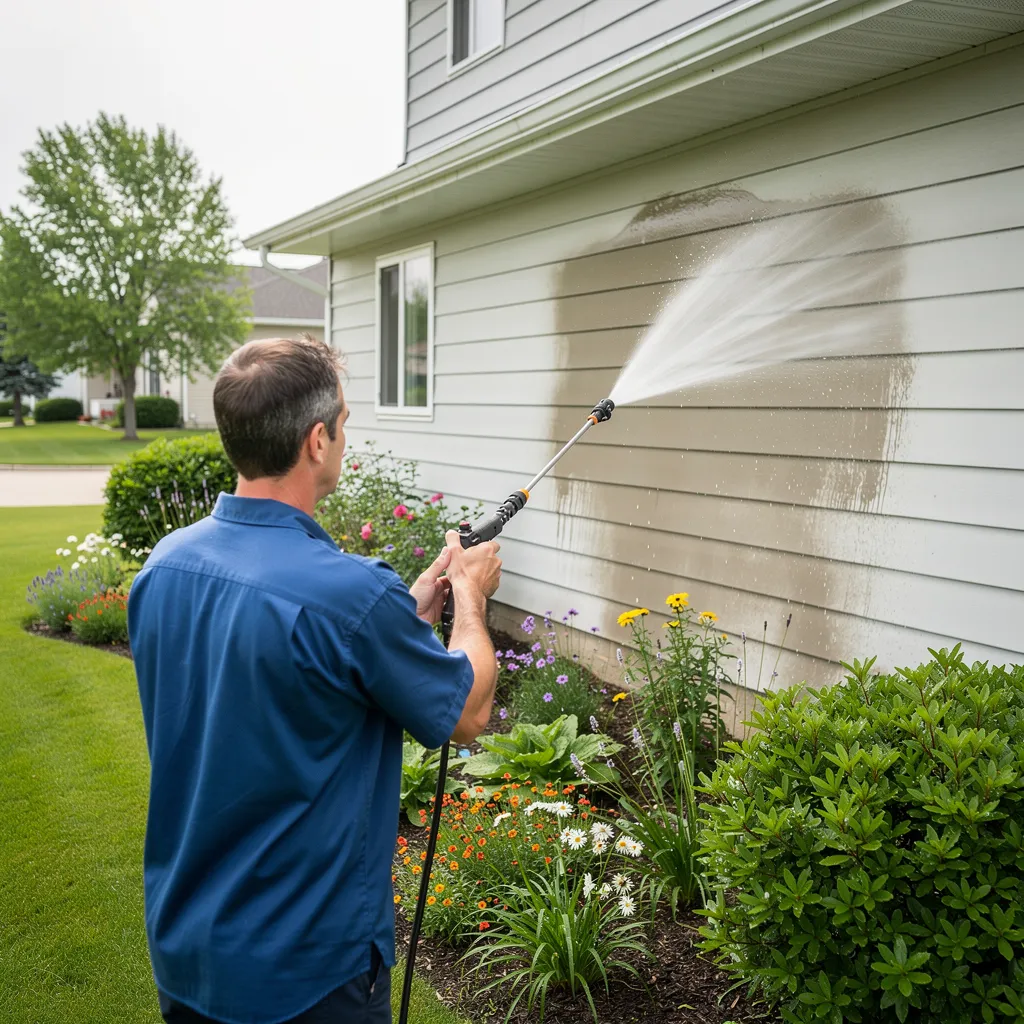
Soft washing relies on low-pressure application and carefully measured chemical dilution instead of high-force water, which is why it avoids the soil erosion, mulch displacement, and stem damage that pressure washing can leave behind. Denver and Tammy founded Denver’s Window Cleaning in 2006 to bring quality window cleaning to Southeast Manitoba and Kenora, and they added soft washing to their services in 2019.
Will Soft Washing Harm Your Garden Beds?
Properly executed soft washing leaves garden beds intact. Careless technique from an inexperienced crew is a different story: unmanaged overspray and chemical runoff can scorch leaves and weaken plant roots within days of a cleaning job. The method itself isn’t the risk — the operator’s skill is.
Denver’s Window Cleaning & SoftWash builds plant protection into the process before a single drop of cleaning solution touches the exterior. Every job starts with a property assessment, so the crew can select the right cleaning method based on siding material, plant placement, and turf conditions. What Precautions Do You Take to Protect My Plants and Landscaping During Cleaning? is a question that often comes up during that initial walkthrough, and the answer shapes the entire plan from that point forward.
How does experience factor into plant safety?
Founded by Denver and Tammy in 2006, the company has spent nearly two decades working across Southeast Manitoba properties with mature landscaping. That history means crews have encountered nearly every combination of siding, shrub, and flower bed the region has to offer, and they’ve refined their approach accordingly.
What credentials back up the company’s safety claims?
Denver’s Window Cleaning & SoftWash holds Manitoba’s only SoftWash Systems Authorized Professional accreditation. This credential requires demonstrated competency in solution dilution, application, and runoff control — the exact factors that determine whether nearby vegetation stays healthy or ends up scorched.
Homeowners weighing exterior cleaning options can count on a consistent standard: the same accredited, family-owned team that started in 2006 stands behind every soft wash performed today.
What Steps Protect Plants During Exterior Cleaning?
Controlled chemistry, not brute-force pressure, keeps garden beds safe during a professional wash. Soft washing removes mildew, mold, bacteria, and algae through carefully balanced solutions rather than the blasting force that shreds foliage and strips mulch beds bare. That distinction matters most to Southeast Manitoba homeowners who’ve invested years into mature shrubs, perennial beds, and carefully placed hostas along the foundation.
Landscape protection isn’t billed as an upgrade or a favor — it’s built into how the job gets done. Reputable exterior cleaning crews treat garden beds and shrubs as part of the standard scope, not an afterthought tacked on for an extra fee. Experienced technicians work around foundation plantings daily, using proven methods that shield roots, leaves, and stems while the siding, roof, or windows get restored to like-new condition.
How is the right cleaning method chosen for my property?
Method selection happens during an on-site property assessment, before any equipment gets used. Technicians walk the property, evaluate surface materials, and factor in nearby landscaping — flower beds, garden borders, and vulnerable plantings closest to the work area — when deciding between soft washing and standard pressure washing.
Why does a family-owned crew care about my garden beds?
A family-owned operation has a stake in the long-term condition of a client’s entire property, not just the surface being cleaned. That mindset extends naturally to the landscaping surrounding a home or business.
Property owners can expect crews to:
- Assess plant placement and vulnerability before starting any work
- Choose soft washing chemistry over high-pressure force near sensitive beds
- Treat landscaping protection as a routine part of the job, never an add-on
- Adjust technique based on what the property assessment reveals
Every decision traces back to one goal: a spotless exterior without sacrificing the greenery that took years to grow.
How Do Crews Shield Plants and Turf?
Skilled technicians rely on technique, not plastic sheeting, to keep gardens and lawns safe during exterior cleaning. Careful application methods matter more than heavy-duty coverings, since the wrong barrier can do more harm than the cleaning solution itself. Homeowners across Southeast Manitoba and Kenora can expect the same attention to detail regardless of which cleaning method fits their property.
Denver’s Window Cleaning & SoftWash technicians follow precautions to protect plants and landscaping during cleaning that prioritize thoughtful timing, controlled rinsing, and low-impact application over blanket coverage. The goal stays consistent: dirt and grime disappear from siding, roofs, and windows while the surrounding yard looks untouched.
Does covering plants with plastic actually help?
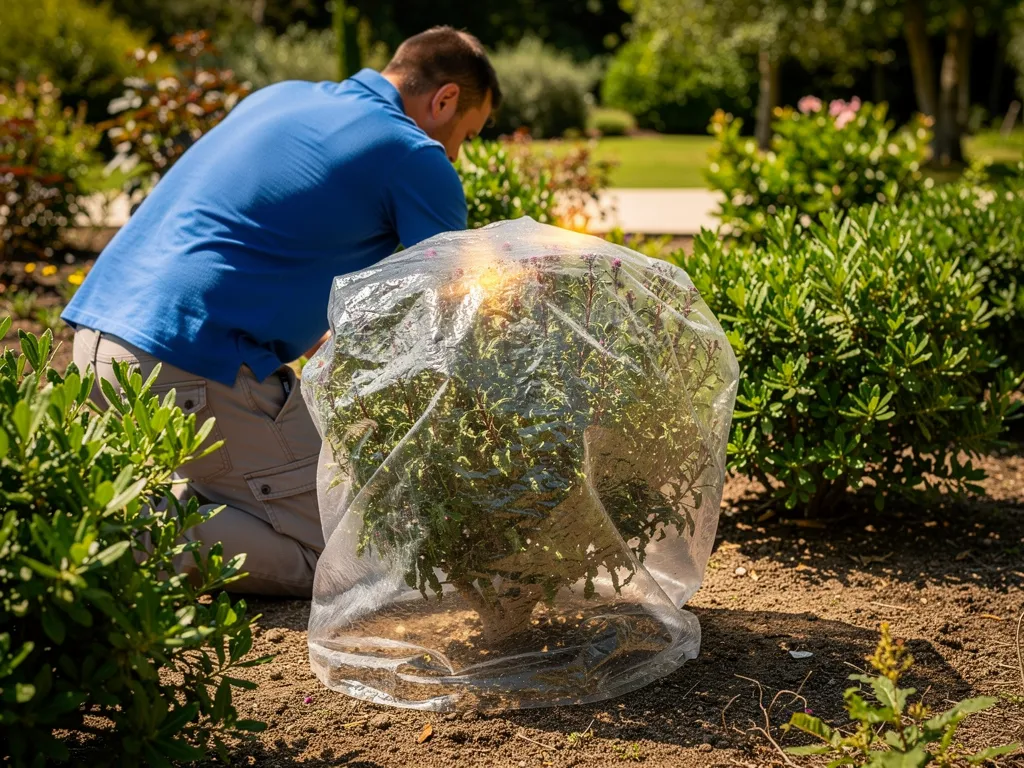
Not always. Wrapping shrubs and flower beds in plastic tarps traps heat underneath, and that trapped heat can scorch foliage faster than a brief splash of cleaning solution ever would. Sun exposure on covered plants during a warm afternoon often causes more visible damage than the cleaning process itself. Technicians favor breathable protection and quick rinsing over sealed coverings for this reason.
Can careful technique really prevent plant damage?
Yes. Experienced professionals in the pressure washing and soft washing trade have gone two full decades without losing a single plant to their cleaning work, relying instead on proper dilution, deliberate spray patterns, and prompt rinsing.
Familiarity with local landscaping also plays a role. Serving communities such as Whiteshell, Grunthal, Niverville, Altona, Blumenort, Landmark, Lorette, Kleefeld, Île des Chênes, Ste. Anne, New Bothwell, La Broquerie, and St. Pierre and St. Malo means crews regularly work around the region’s typical gardens, hedges, and lawns before a single hose gets turned on.
What Chemicals and Techniques Keep Plants Safe?
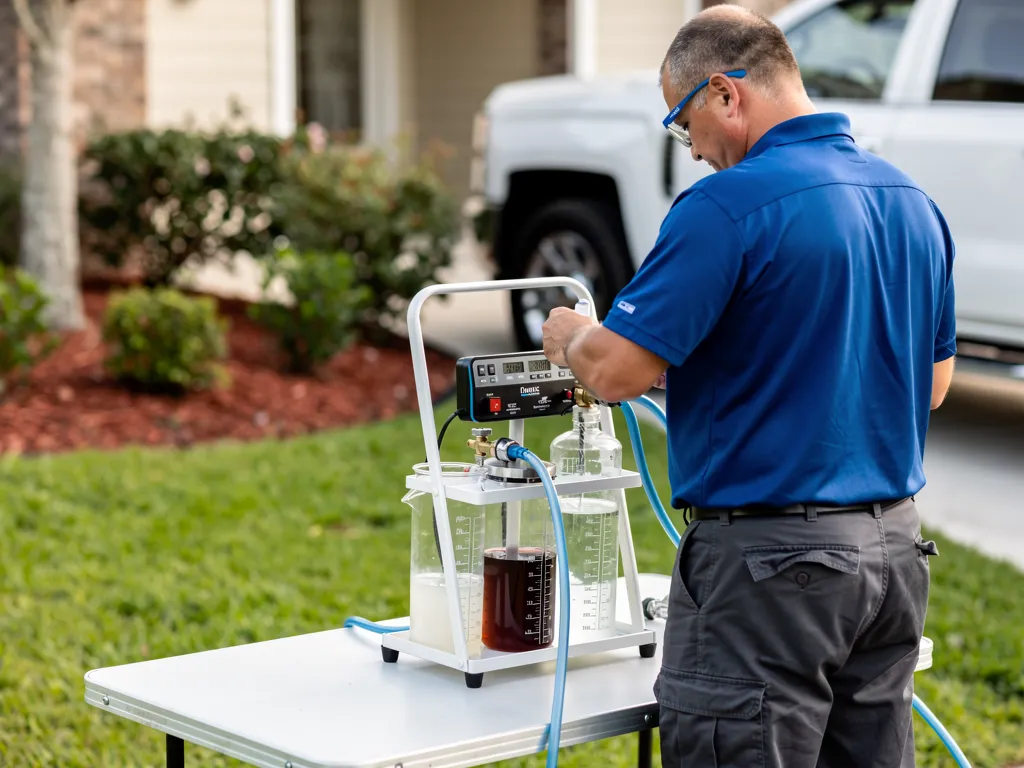
Correct dilution ratios, careful application, and proper rinsing separate a safe soft wash from a damaged flower bed. Denver’s Window Cleaning & SoftWash holds accreditation as Manitoba’s only SoftWash Systems Authorized Professional, a distinction earned through training in solution strength and safe application near vegetation. That credential matters more than it might seem.
Cleaning solutions used at full strength, without dilution, have caused documented cases of grass and plant burn after runoff exposure. A property owner in one widely cited case applied sodium hypochlorite at full concentration and returned days later to find the lawn scorched. Proper technique avoids that outcome entirely by matching solution strength to the surface being cleaned and the plants nearby.
Why does dilution matter so much for landscaping?
Full-strength cleaning agents don’t distinguish between grime and greenery. Runoff carries concentrated chemical residue directly into root zones, and even brief contact can scorch leaves or kill grass. Trained technicians measure and adjust dilution before a single drop touches the roof or siding.
Targeting contaminants correctly also protects long-term plant health. Mildew, mold, bacteria, and algae get treated in a way that keeps a home’s exterior in excellent condition for years, without leaving harmful residue in garden beds.
Preparation and landscaping protection don’t stop at mixing ratios. Effective jobs typically include:
- Pre-wetting nearby plants and soil to reduce chemical absorption
- Applying diluted solution with controlled, low-pressure equipment
- Rinsing landscaping thoroughly after treatment
A little preparation combined with proper aftercare goes a long way toward a spotless exterior and a yard that stays healthy.
How Should You Prepare Your Yard Beforehand?
A short conversation before cleaning day gives landscaping the best possible protection. Sensitive flower beds, shrubs, and lawn edges near the foundation deserve a plan, not a guess. Reaching out early lets the crew map out which plants need covering, moving, or a wide berth before any equipment touches the property.
Denver’s Window Cleaning & SoftWash keeps regular office hours Monday through Friday, 8:00 AM to 5:00 PM, specifically so homeowners can ask questions and schedule a consultation before work begins. That window gives property owners time to flag prized rose bushes, new sod, or delicate perennial beds that might need extra attention. Waiting until the crew arrives to raise these concerns leaves far less room for planning.
Why does a family-owned company matter for landscaping concerns?
A family-owned business tends to treat a customer’s yard the way it would treat its own. Because Denver’s Window Cleaning & SoftWash operates as a family-owned company, homeowners get direct, personal answers about plant and landscaping protection rather than a scripted call center response. That personal touch matters most when a garden bed took years to establish.
Can homeowners request a walkthrough before the crew starts?
Yes. Homeowners across the Southeast Manitoba service area, including communities like Niverville, Landmark, and Ste. Anne, can request a property walkthrough before cleaning starts. This walkthrough identifies vulnerable landscaping and confirms the cleaning plan together.
Protecting a yard isn’t a bonus add-on. It’s simply part of doing exterior cleaning correctly, built into the process from the first phone call.
FAQ
Does soft washing damage garden beds and plants?
No, not when it’s done correctly. Soft washing uses low-pressure application and controlled chemical dilution, which avoids the soil erosion, mulch displacement, and stem damage that pressure washing can cause. Plant health depends on the crew’s skill and preparation, not the method alone.
What’s the difference between soft washing and pressure washing near plants?
Pressure washing relies on high-force water that can strip mulch, erode soil, and damage stems and leaves on contact. Soft washing uses low-pressure equipment and measured chemical dilution to lift dirt, mold, and algae without the same physical force, making it the safer choice near garden beds, shrubs, and turf.
Should I cover my plants before a cleaning appointment?
Not necessarily. Plastic sheeting can trap heat and sun exposure underneath, sometimes scorching foliage faster than the cleaning solution would. Technicians typically favor pre-wetting plants, controlled rinsing, and careful spray technique over sealed coverings.
How do I prepare my yard before the crew arrives?
Reach out ahead of the appointment to flag any prized rose bushes, new sod, or delicate perennial beds. Denver’s Window Cleaning & SoftWash keeps regular office hours Monday through Friday, 8:00 AM to 5:00 PM, and can schedule a walkthrough beforehand to confirm the cleaning plan around sensitive landscaping.
Is Denver’s Window Cleaning & SoftWash certified for safe chemical use around plants?
Yes. The company holds Manitoba’s only SoftWash Systems Authorized Professional accreditation, which requires demonstrated competency in solution dilution, application, and runoff control — the factors that most directly affect whether nearby plants stay healthy.
Conclusion
Soft washing gives homeowners and property managers a way to get a genuinely clean exterior without gambling on the landscaping around it. By replacing high-pressure force with controlled chemistry and a trained eye, Denver’s Window Cleaning & SoftWash protects the plants, soil, and turf that took years to establish while still delivering a spotless finish on siding, roofs, and windows. That balance comes from nearly two decades of experience and Manitoba’s only SoftWash Systems Authorized Professional accreditation, backed by a family-owned team that treats every property with the same care it would give its own. Reach out to schedule a consultation and walk through what plant protection looks like for your property.