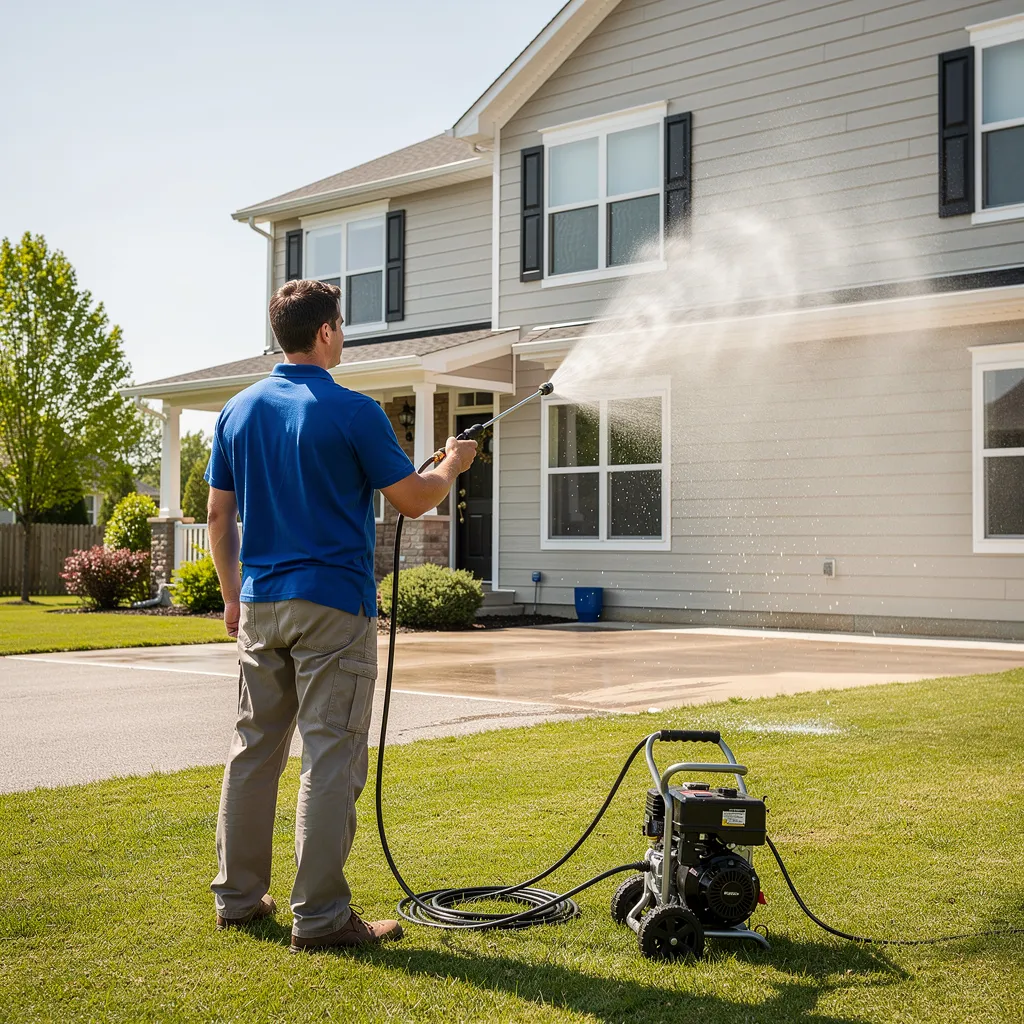
Soft washing combines low-pressure water with specialized cleaning solutions, including surfactants and mild biocides, to break down dirt, algae, and mildew at the surface level. Denver’s Window Cleaning & SoftWash applies this method to elevator stains without the force that damages siding, shingles, or masonry on homes and businesses.
What Makes Soft Washing Different From Pressure Washing?
Water pressure marks the real dividing line between these two cleaning methods. How soft washing works comes down to a gentler formula: low water pressure paired with a specialized cleaning mixture of bleach, surfactant, and water, built to dissolve organic staining like algae, mold, and dirt buildup without battering the surface underneath. Pressure washing takes the opposite approach, relying on forceful, high-pressure water to physically blast grime off a surface. That brute-force method works fine on concrete, but it can stress siding, stucco, shingles, and other delicate exterior materials.
Is soft washing safer for siding and roofs?
Yes, soft washing protects delicate materials far better than high-pressure methods. Since the cleaning mixture does the heavy lifting instead of water force, fragile siding, painted surfaces, and roofing materials avoid the physical stress that pressure washing can cause.
Which method should a property actually use?
The right answer depends on the surface, not personal preference. Denver’s Window Cleaning & SoftWash assesses each property on-site before recommending window cleaning, standard pressure washing, or soft washing, matching the method to the material instead of applying a one-size-fits-all approach.
A quick side-by-side makes the contrast clear:
| Factor | Soft Washing | Pressure Washing |
|---|---|---|
| Water pressure | Low | High |
| Cleaning power source | Chemical mixture | Water force |
| Best suited for | Siding, stucco, roofing, delicate surfaces | Concrete, driveways, hard surfaces |
| Surface stress risk | Low | Higher |
Choosing between these methods without an on-site evaluation risks potential damage to surfaces, such as stripped paint, cracked shingles, or forced water intrusion behind siding panels. Denver’s avoids that gamble by matching the cleaning approach to the material first, then executing the job with the appropriate equipment and solution for lasting, damage-free results.
What Ingredients Make Soft Washing Solutions Effective?
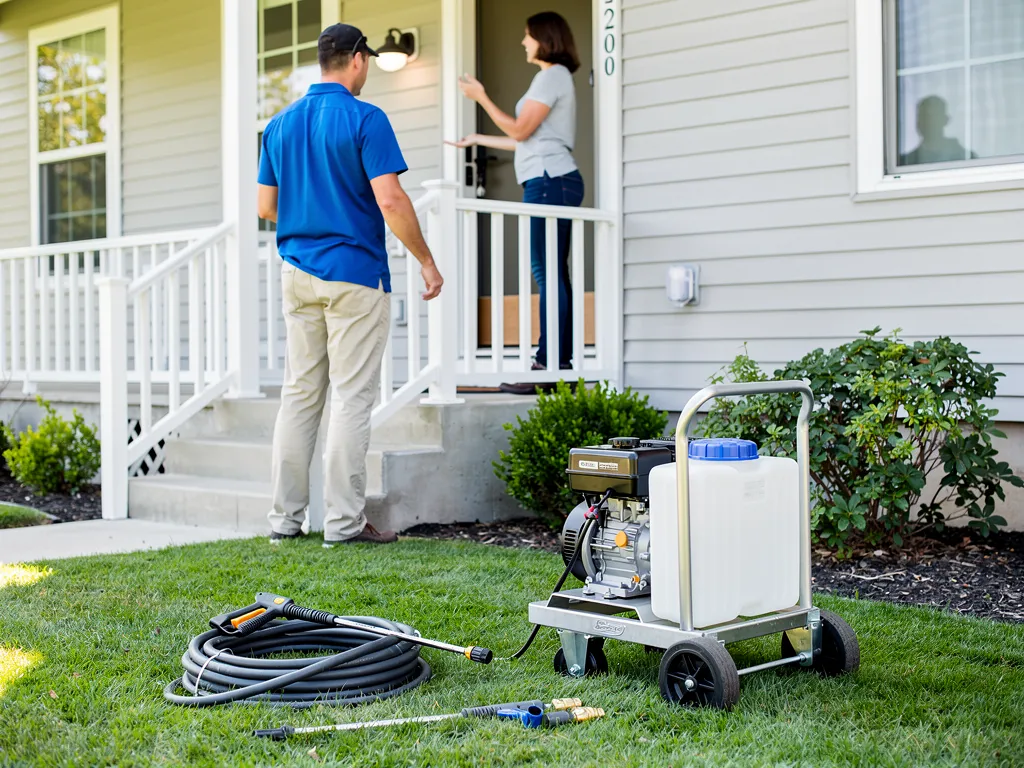
Effective soft wash solutions rely on a precise blend of biocides or sodium hypochlorite, surfactants, and water. This mixture lifts organic stains, mildew, and algae from exterior surfaces without the force of high-pressure equipment. Property owners who skip professional-grade solutions and reach for a standard garden hose often watch stains return within weeks. Surface dirt gets pushed around rather than broken down at the source.
The chemical combination does more than clean on the surface. Paired with a biodegradable sanitizing solution, the soft wash method targets mold, mildew, algae, bacteria, fungus, and moss at the root, not just the visible residue. A gentle rinse then carries the loosened contaminants away, leaving surfaces sanitized rather than simply rinsed.
How Soft Washing Works comes down to chemistry doing the heavy lifting instead of water pressure. Denver’s Window Cleaning & SoftWash applies this principle on every project, treating harmful contaminants such as mildew, mold, bacteria, and algae so homes and businesses stay in excellent condition for years rather than months. cite-2
Does soft washing actually kill mold, or just remove the stain?
Soft washing does both. The biodegradable sanitizing solution kills mold, mildew, bacteria, algae, fungus, and moss at the surface level, rather than masking the discoloration temporarily. That distinction matters for property owners who want lasting results, not a quick cosmetic fix that fades back within a season.
What happens during a typical soft wash treatment?
A soft wash treatment washes and sanitizes the exterior in a single visit. cite-2 Denver’s technicians apply the solution, allow it to work, and rinse the surface gently, removing grime while neutralizing the organisms causing it. The result: a cleaner, healthier exterior without the wear that high-pressure methods can leave behind.
Which Exterior Surfaces Benefit Most From Soft Washing?
Vinyl siding, stucco, painted wood trim, and asphalt shingle roofs benefit most from soft washing. These materials scratch, crack, or discolor under forceful water streams. Delicate siding in particular needs a gentler cleaning approach, which explains why soft wash chemicals replace high pressure on these surfaces. Homeowners with painted or aging exteriors may face increased risk when the wrong method is applied.
High-pressure cleaning can seriously damage exterior surfaces when handled carelessly. Force suited to a concrete driveway can loosen caulking, strip paint, and push water behind siding panels. Trapped moisture then invites mold growth and costly rot repairs later.
Understanding how soft washing works clarifies why certain materials call for this gentler method instead of raw pressure. The technique relies on specialized cleaning solutions to break down algae. Grime, letting the chemistry do the work rather than brute force.
Surfaces that typically respond best to soft washing include:
- Vinyl, aluminum, and fiber cement siding
- Stucco and painted masonry
- Wood fencing and trim
- Asphalt shingle roofing
- Delicate architectural details and soffits
Does soft washing work on every exterior surface?
No single method suits every surface, which is why trained technicians assess each property before starting. Durable surfaces like concrete or brick pavers often tolerate standard pressure washing, while painted and organic materials call for the soft wash approach.
Regardless of which method fits the job, experienced technicians remove every trace of dirt and grime from the exterior, leaving the property looking like new. cite-2 That tailored assessment protects materials now and preserves curb appeal for years to come.
What Happens During A Professional Soft Wash Visit?
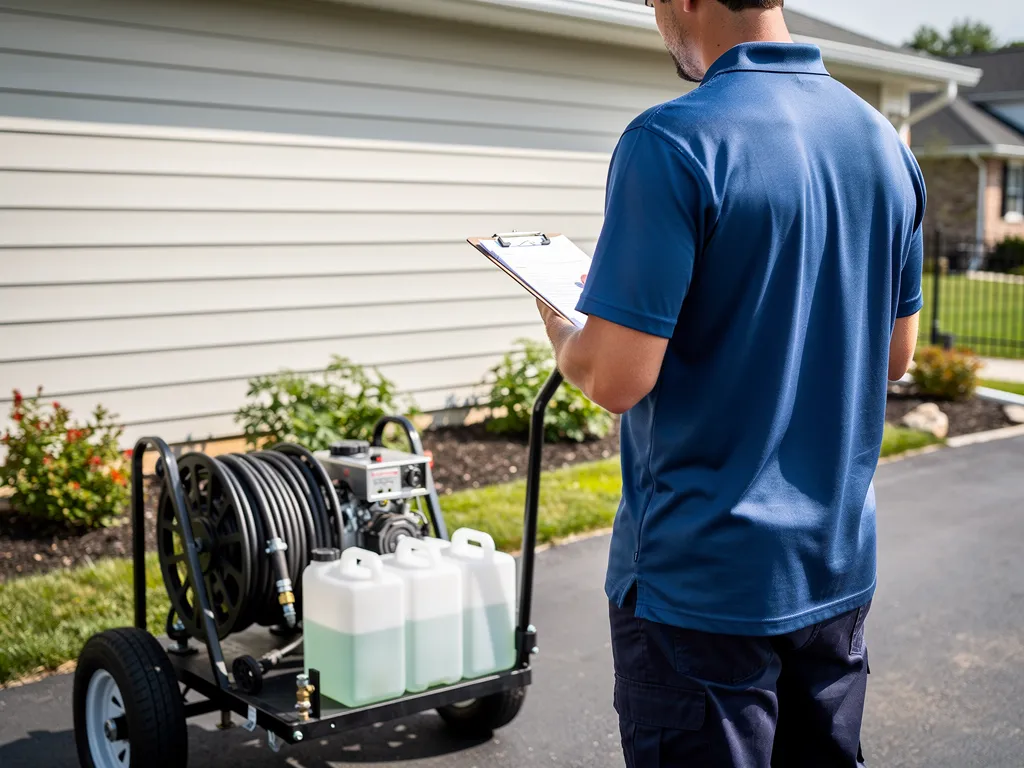
A professional soft wash visit begins with a conversation, not a chemical sprayer. Denver’s Window Cleaning & SoftWash approaches each project as consultants, asking questions about siding material, staining history, and problem areas before recommending a plan. This upfront assessment matters because how soft washing works depends entirely on matching the right approach to the right surface.
Skipping that step carries real risk. Soft washing is a specialized cleaning technique that requires professional expertise to ensure safe, effective results, and an untrained approach can leave algae intact or, worse, damage delicate materials.
Does the visit start with an inspection?
Yes. The technician walks the property first, checking siding, trim, and any visible organic growth. This inspection shapes the chemical mix and dwell time used later in the visit.
What equipment shows up on-site?
Equipment built specifically for soft washing allows broader coverage. Deeper cleaning without resorting to the high pressure that damages sensitive surfaces. Technicians rely on low-pressure pumps and metered nozzles rather than standard pressure-washing gear.
A typical visit follows a predictable sequence:
- Consultation and inspection – discussing goals and surveying the exterior
- Surface treatment – applying a low-pressure cleaning solution matched to the material
- Dwell time – letting the solution break down algae, mildew, and grime
- Gentle rinse – clearing residue without stripping paint or siding
Before any of this begins, Denver’s offers a free, no-obligation consultation. That conversation lets homeowners, property managers, and building owners understand the process and costs before committing to a date.
Why Choose An Accredited Soft Washing Company?
Accreditation separates a careful exterior cleaning service from a contractor armed with a garden hose and good intentions. Denver’s Window Cleaning & SoftWash holds the distinction of being the only SoftWash Systems Authorized Professional accredited company in Manitoba. That certification matters because how soft washing works depends on precise chemical ratios and dwell times, not raw water pressure. A technician without proper training can over-apply solution or rush the rinse, leaving streaking, plant damage, or incomplete results behind.
The company’s roots run deep. Denver and Tammy founded the family-owned business in 2006, building a reputation on window cleaning before expanding the service menu. Soft washing joined the lineup later on, following the launch of the Sunset Spray South division, giving the team years of hands-on refinement rather than a crash course in the technique.
Does Accreditation Really Affect Cleaning Quality?
Yes. Certified training standardizes chemical selection, pressure settings, and surface-specific protocols, so siding, stucco, and roofing get treated differently rather than blasted the same way. Property owners avoid the guesswork that comes with uncertified labor.
Homeowners across Southeast Manitoba benefit from that consistency. Service reaches Whiteshell, Grunthal, Niverville, Altona, Blumenort, Landmark, Lorette, Kleefeld, Île des Chênes, Ste. Anne, New Bothwell, La Broquerie, St. Pierre, and St. Malo. Consultations and service run Monday through Friday, 8:00 AM to 5:00 PM.
Quick comparison:
| Factor | Accredited Provider | Uncertified Operator |
|---|---|---|
| Chemical ratios | Standardized, surface-matched | Inconsistent |
| Risk of surface damage | Minimized | Elevated |
| Training background | Certified protocols | Variable |
FAQ
What does soft washing use instead of high pressure?
Soft washing combines low-pressure water with a specialized cleaning mixture of bleach, surfactant, and water to dissolve algae, mold, and dirt buildup without battering surfaces.
Why is soft washing safer for siding and roofs?
The cleaning mixture does the heavy lifting instead of water force. Fragile siding, painted surfaces, and roofing materials avoid the physical stress pressure washing can cause.
How does Denver’s decide between soft washing and pressure washing?
Denver’s Window Cleaning & SoftWash assesses each property on-site before recommending window cleaning, standard pressure washing, or soft washing, matching the method to the material instead of guessing.
Conclusion
In closing, soft washing represents a transformative approach to exterior cleaning that protects your property while delivering exceptional results. By combining specialized solutions with low-pressure application, this method safely removes stubborn contaminants from delicate surfaces without causing damage. As Southeast Manitoba’s only SoftWash Systems Authorized Professional, we bring certified expertise to every project, ensuring your home or business receives the care it deserves. Contact us today for a free consultation to discover how soft washing can restore and preserve your property’s exterior.