Why Soft Washing Pays Off for Your Home — Long-Term Protection and Cleaner Curb Appeal

Soft washing uses low-pressure water and purpose-made, biodegradable cleaners to remove organic growth at its source — not just scrub it off. This guide shows how soft washing preserves materials, boosts curb appeal, supports a healthier home environment, and lasts longer than high-pressure approaches. If algae, mold, or accelerated wear are a worry, read on: we explain how soft washing works, why it’s gentler on roofs, siding, decks, and concrete, and what maintenance rhythms work best in cooler, wetter areas like Southeast Manitoba and Kenora. You’ll find clear comparisons, practical schedules, and local, certified options for homeowners who want professional, warranty-backed results.
What Is Soft Washing and How Does It Differ from Pressure Washing?
Soft washing cleans exteriors with low pressure and targeted, biodegradable solutions that remove mold, algae, lichen, and mildew at their root. Instead of blasting surfaces with force, soft washing uses biocides and surfactants that penetrate biofilms and allow a gentle rinse — protecting shingles, siding, stucco, and wood from lift, etching, or fiber damage common with high-pressure methods. In short: pressure washing removes surface grime mechanically; soft washing treats the biological source chemically, which usually means better, longer-lasting results for delicate materials. Below we cover the clean chemistry and the safety benefits that make soft washing the right choice for most homes.
How Does Soft Washing Use Gentle, Biodegradable Solutions?
Soft wash solutions are designed to be targeted and biodegradable. They combine surfactants, oxidizers, and low-concentration biocides that break down biofilms and reach spores and root structures simple rinsing can’t touch. Applied at low pressure and mixed to the right dilution, these formulas reduce risk to nearby plants and soil — and modern crews use runoff management to limit environmental impact. When applied correctly, the residual action in these cleaners slows regrowth for months, extending the time between treatments and lowering lifetime maintenance costs. That chemical-first approach is also why soft washing is safer for fragile surfaces.
Why Is Soft Washing Safer for Delicate Home Exterior Surfaces?
Because it cleans chemically instead of mechanically. High-pressure water can force moisture into seams, strip asphalt granules, or abrade paint and wood fibers. Soft washing keeps pressure low to avoid dislodging shingles, warping vinyl, etching stucco, or splintering decks, while the cleaning agents attack mold and algae at the source. For homeowners that means fewer accidental damages, fewer follow-up repairs, and a better chance of preserving coatings and finishes. Regular inspections paired with soft washing are an effective preventive step before cosmetic issues turn structural.
For local, certified work, Denver’s Window Cleaning & SoftWash uses SoftWash Systems–trained technicians and biodegradable formulas adjusted for conditions in Southeast Manitoba and Kenora. Certification shows they follow repeatable, safe soft-wash protocols on delicate surfaces.
How Does Soft Washing Extend the Lifespan of Your Home Exterior Materials?
Soft washing slows material breakdown by removing the biological agents that trap moisture and accelerate chemical or physical deterioration. By killing spores and dissolving biofilms, it reduces moisture retention and the freeze-thaw or rot cycles that shorten service life. The result: slower deterioration, delayed replacements, and lower long-term maintenance costs. Below we break down the benefits for roofs and other common exterior materials, and suggest maintenance frequencies you can adapt to your property.
In What Ways Does Soft Washing Protect Roofs from Mold and Algae?
Algae and mold cling to asphalt shingles and other roofing materials, holding moisture and interacting with granule adhesives — a recipe for granule loss and a shorter roof life. Soft washing uses specialized biocides to kill spores and break down the biofilm, then rinses gently so shingles aren’t disturbed. With regular, well-documented soft washing timed for local conditions, homeowners can reduce moisture retention and the risk of premature shingle failure. In Southeast Manitoba and Kenora — where moisture and shaded roof lines are common — a professional soft wash every 2–4 years is a practical strategy to delay costly roof replacement.
How Does Soft Washing Preserve Siding, Decks, and Concrete Surfaces?
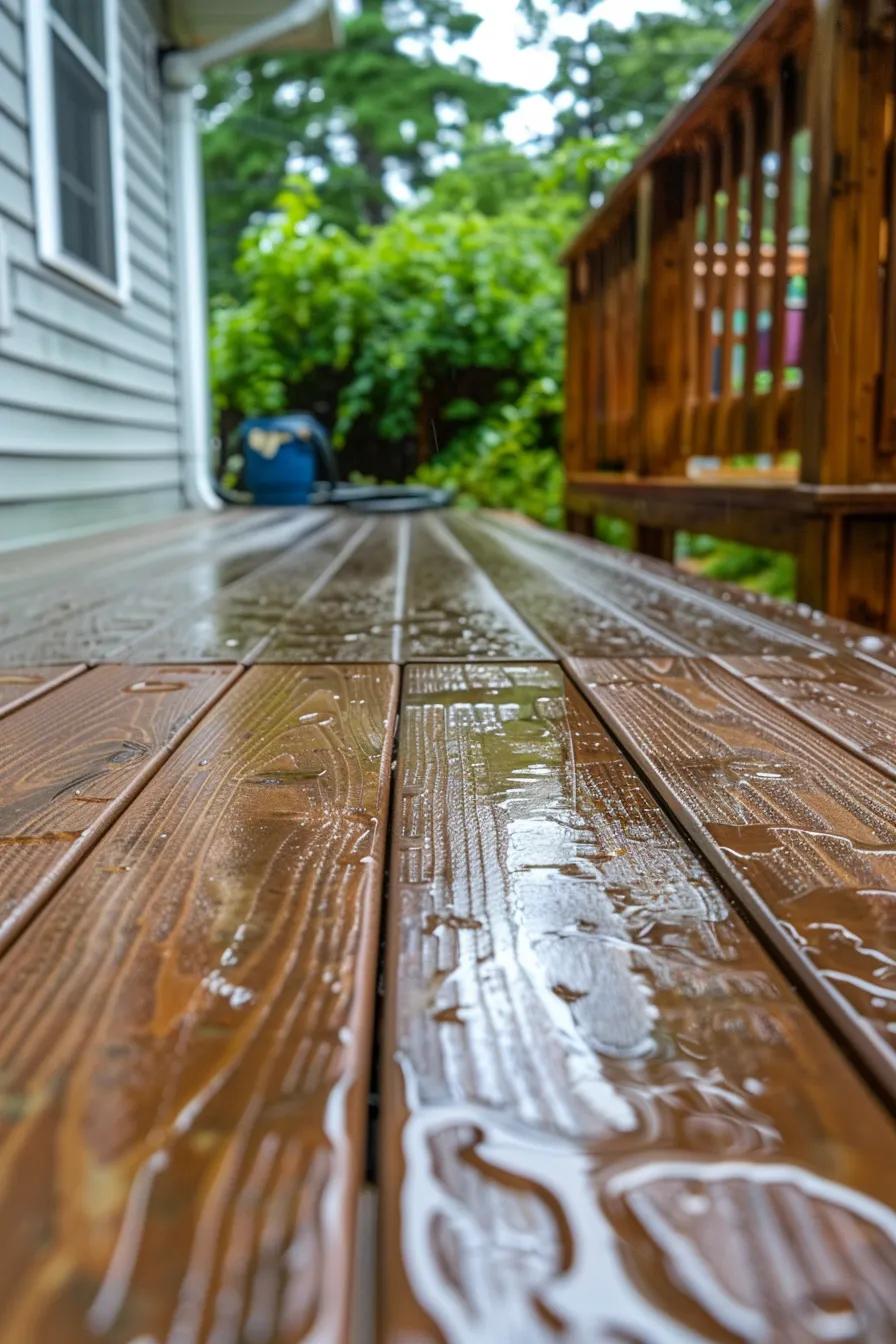
Different materials weather in different ways, but organic growth speeds wear across the board by trapping moisture and holding dirt against surfaces. Soft washing removes that biological film and restores appearance while slowing substrate breakdown. On vinyl and painted trim it helps avoid premature paint failure; on wood and composite decks it lowers rot and splinter risk; on concrete it removes slippery algae that lead to surface erosion. Recommended intervals vary: siding and concrete often benefit from a soft wash every 2–3 years, while shaded wooden decks may need attention annually. Combine soft washing with routine inspections and small repairs to get the longest life from each surface.
| Material | Degradation Risk | How Soft Washing Mitigates / Recommended Frequency |
|---|---|---|
| Asphalt Shingles | Granule loss from algae retention | Eliminates algae and biofilm; recommended every 2–4 years depending on shade |
| Vinyl Siding | Staining and mold-related paint failure | Removes spores and grime; recommended every 2–3 years or as needed |
| Wood Decking | Rot and splintering from trapped moisture | Breaks down organic holdfasts and rinses gently; recommended annually or biennially |
| Concrete Surfaces | Slipperiness and surface etching from algae | Removes biofilm to reduce erosion; recommended every 2–3 years |
This table lays out the common risks and practical soft-wash responses for each material. Next, we look at how those preservation benefits translate into curb appeal and resale value.
If you prefer professional service, Denver’s Window Cleaning & SoftWash offers a 5-Year Roof Cleaning Warranty on qualifying roof work — a sign of confidence in certified soft-wash protocols and the documentation that supports long-term protection.
How Can Soft Washing Increase Your Property Value and Enhance Curb Appeal?
Soft washing restores original colors and removes stains that give a home a tired look, helping listings stand out and improving buyers’ first impressions. Clean exteriors signal good maintenance — removing algae, black streaks, and mildew from roofs and siding improves how a property is perceived. Beyond looks, regular soft washing prevents deferred repairs that hurt market value and creates a maintenance record buyers appreciate. The sections below show the visible improvements and explain how routine soft washing can protect resale value.
What Are the Visual Improvements After Soft Washing?
Soft washing evens out roof color, clears dark streaks on siding, and restores the natural tone of decks and concrete, giving your whole property a fresher, more cohesive look. Clean exteriors reduce perceived risk during inspections and photograph better for listings. For the biggest impact, sequence work — roof first, then siding, then walkways — so the most visible elements set a positive impression for photos or showings.
Soft washing improves perceived value in three clear ways:
- Uniform Roofing Appearance: Removes streaks that make a roof look neglected.
- Renewed Siding Color: Clears staining that dulls curb appeal.
- Safe, Bright Walkways and Decks: Removes algae and mildew that turn buyers off.
Used as a focused staging and maintenance step, soft washing is a cost-effective way to help your home look and perform better on the market.
How Does Regular Soft Washing Prevent Costly Repairs?
Regular soft washing interrupts biological cycles before they become structural problems, lowering the chance of expensive outcomes like roof or siding replacement or deck reconstruction. Small, periodic service costs typically avoid much larger capital expenses: a soft wash every few years is a fraction of a major repair bill and can also preserve warranty eligibility in some cases. A documented maintenance history reassures buyers and insurers. Treat soft washing as part of a preventive calendar for long-term asset protection — it can improve your return on investment by preventing even a single premature replacement.
| Surface | Visual Benefit | Estimated Impact on Curb Appeal / Notes |
|---|---|---|
| Roof | Removes black streaks and algae halos | Strong visual lift; signals well-maintained roof |
| Siding | Restores color and removes mold stains | Increases perceived home care and reduces repainting urgency |
| Decks/Patios | Cleans wood/composite, reduces staining | Improves outdoor living presentation and safety |
| Driveways/Walkways | Removes slippery algae and oil stains | Enhances safety and guest experience |
This table shows how soft washing turns routine maintenance into visible curb appeal gains and greater buyer confidence.
What Are the Health Benefits of Soft Washing for Your Home Environment?
Soft washing lowers the amount of mold, mildew, algae, and spores on exterior surfaces — contaminants that can contribute to allergen exposure and encourage indoor moisture problems. Cleaning these sources outside reduces the number of spores that might migrate indoors through windows, vents, shoes, or pets. The treatments target the root causes of growth and shrink the long-term reservoir of allergens around doors, vents, and foundation perimeters. Below we explain how that prevention helps indoor environments.
How Does Soft Washing Prevent Long-Term Mold and Algae Growth?
Soft washing neutralizes spores and root structures in the biofilm and leaves a residual effect that inhibits recolonization for months. That two-step approach — remove existing organisms and apply a lasting barrier — reduces how often growth returns compared with mechanical cleaning alone. Effectiveness depends on shading, moisture, and climate; in cool, damp areas, watch shaded eaves and north-facing surfaces more closely. Typical timelines range from one to several years before noticeable regrowth, and scheduled follow-ups based on local conditions keep environmental loads low and indoor exposure pathways minimized.
Why Does Soft Washing Contribute to a Healthier Living Space?
Reducing the pool of outdoor spores lowers the chance those particulates become airborne and enter the home, which helps occupants who are sensitive to allergens or respiratory irritants. Exterior cleaning pairs well with interior humidity control and good HVAC filtration for a fuller strategy to reduce allergen exposure. View soft washing as one piece of a home‑health plan that also includes roof and gutter care to limit moisture entry points — together, these measures focus on source control and exposure reduction without making medical claims.
- Soft washing lowers outdoor allergen reservoirs near your home.
- It reduces the chance spores are tracked or blown indoors.
- Exterior cleaning complements humidity control and filtration for better indoor air quality.
Taken together, these benefits show how regular exterior maintenance supports a healthier living environment.
How Does Soft Washing Provide Longer-Lasting Clean Compared to Pressure Washing?
Soft washing lasts longer because its chemical treatments address biological roots and leave a protective residual that slows regrowth. Pressure washing removes surface deposits but usually doesn’t neutralize underlying spores, so results often return sooner. Longevity depends on shade, rainfall, and surface porosity, but chemical remediation generally delays visible regrowth by months or years versus mechanical cleaning alone. Below is a compact comparison to clarify durability and surface safety.
What Makes Soft Washing Results More Durable Over Time?
Durability comes from biocidal action that kills spores and breaks down biofilms, plus surfactants that let the solution penetrate the biological matrix. The residual chemicals help prevent quick recolonization, especially when treatments are timed for local growth cycles. Factors like surface type, microclimate, and nearby vegetation affect how long results last — shaded, moisture-prone areas will need more frequent attention. When applied with correct dilution, dwell time, and rinsing, soft washing gives a measurable reduction in regrowth compared to pressure washing.
| Method | Characteristic | Durability / Surface Safety |
|---|---|---|
| Soft Washing | Low-pressure + biocides/surfactants | Longer residual protection; gentle on materials |
| Pressure Washing | High-pressure mechanical removal | Immediate visual removal but no residual; higher risk of surface damage |
| Hybrid Approaches | Targeted pressure for hard stains + soft wash for biology | Balanced results when applied by trained technicians |
- Soft washing treats root causes, so regrowth is delayed.
- Pressure washing often needs more frequent repeats and can damage surfaces.
- Hybrid approaches work for specific stains but require experienced crews.
How Do Soft Washing and Pressure Washing Compare in Longevity and Surface Safety?
Soft washing is the safer, longer-lasting choice on delicate surfaces like shingles, vinyl, stucco, and wood because it minimizes mechanical stress while delivering lasting biocidal protection. Pressure washing can be right for very hard surfaces such as concrete where deposits are thick, but it has higher risk of etching, removing sealants, or forcing water into seams on softer materials. Over time, pressure washing can increase repair costs; soft washing uses less water overall (when done correctly) and neutralizes contaminants rather than simply moving them. Pick the method that fits the surface, desired longevity, and environmental priorities.
Why Choose Denver’s Window Cleaning & SoftWash for Your Soft Washing Needs?
We’re a local, family-owned team with SoftWash Systems–certified technicians who use standardized low-pressure methods and biodegradable cleaners chosen to protect delicate exterior materials. We serve Southeast Manitoba and Kenora — Steinbach, Winnipeg, Whiteshell and nearby communities — so we understand how local weather and shade patterns affect maintenance cycles. We also offer a 5-Year Roof Cleaning Warranty on qualifying services, reflecting our commitment to long-term roof care and predictable results. If you want a certified, eco-conscious contractor with local experience and warranty-backed work, we’re ready to help.
What Are the Benefits of Using SoftWash Systems Certified Technicians?
Certification means technicians are trained in low-pressure application, correct dilutions and dwell times for biodegradable cleaners, and safe runoff management. Certified crews follow repeatable protocols that remove biological growth while protecting surface integrity, which reduces the chance of accidental damage and supports longer maintenance intervals. Choosing certified professionals helps protect warranty eligibility and gives you consistent, documentable service standards — a practical trust signal for homeowners who prioritize both safety and effectiveness.
How Does Denver’s Eco-Friendly Approach Support Sustainable Exterior Cleaning?
Our eco-friendly approach focuses on biodegradable solutions and water-efficient, low-pressure application to minimize runoff and chemical load while still addressing the biological causes of staining. Responsible practices — correct dilution, targeted application, and post-service rinsing when needed — help protect plantings and reduce long-term chemical use by lengthening treatment intervals. For homeowners who want sustainable exterior maintenance, this method conserves water, uses biodegradable agents, and emphasizes prevention over repeat mechanical cleaning.
- Our certified technicians use biodegradable cleaners to limit environmental impact.
- Low-pressure techniques reduce water use and protect landscaping.
- Warranty-backed services emphasize long-term care that aligns with sustainability goals.
To request a quote or schedule a consultation, call Denver’s Window Cleaning & SoftWash at (204) 320-1935. We’ll provide site-specific recommendations and explain warranty details.
Frequently Asked Questions
What types of surfaces can benefit from soft washing?
Soft washing works on asphalt shingles, vinyl siding, wood decks, stucco, and concrete. Each material reacts differently to organic growth, and soft washing removes mold, algae, and mildew without the damage high-pressure cleaning can cause. Regular soft washing helps maintain appearance and extend the life of these surfaces.
How often should I schedule soft washing for my home?
Frequency depends on surface type, local climate, and exposure to shade and moisture. Generally, roofs need cleaning every 2–4 years, siding and concrete every 2–3 years, and shaded wooden decks may need annual attention. Use local conditions to tailor a schedule that keeps your property protected.
Can soft washing help with indoor air quality?
Yes. By reducing mold, mildew, and spore reservoirs around the home, soft washing lowers the chance those particles make their way indoors through windows, vents, shoes, or pets. Paired with good humidity control and filtration, exterior cleaning helps create a healthier indoor environment.
Is soft washing safe for my plants and landscaping?
When done correctly, soft washing is safe for surrounding plants. The biodegradable cleaners and proper dilution minimize environmental impact, and professional teams use techniques to limit runoff. Tell your provider about any sensitive plantings so they can take extra precautions.
What should I do to prepare for a soft washing service?
Clear the area around surfaces being cleaned — move furniture, potted plants, and items that block access. Point out problem areas or previous damage to the crew so they can plan the right approach. These simple steps help the team work efficiently and safely.
How does soft washing compare to traditional cleaning methods?
Soft washing uses low-pressure application plus biodegradable cleaning agents to treat biological growth at the root, while pressure washing relies on mechanical force. Pressure washing can give quick visual results but often doesn’t prevent regrowth and risks surface damage. Soft washing offers gentler, longer-lasting results for most residential exteriors.
What are the long-term cost benefits of soft washing?
Soft washing can save money over time by preventing material degradation and reducing the need for repairs or replacements. It helps maintain property value through better curb appeal and a documented maintenance history. Lower treatment frequency and preserved materials make soft washing a cost-effective part of home upkeep.
Conclusion
Soft washing is a gentle, effective way to keep your home looking good and lasting longer. Using biodegradable cleaners and low-pressure methods protects delicate surfaces, reduces maintenance costs, and supports a healthier living environment. If you’re ready to protect your investment and boost curb appeal, Denver’s Window Cleaning & SoftWash can help — contact us to schedule service or get a quote today.