Soft Washing in Steinbach — Safer, Eco-Friendly Exterior Cleaning That Protects Your Property
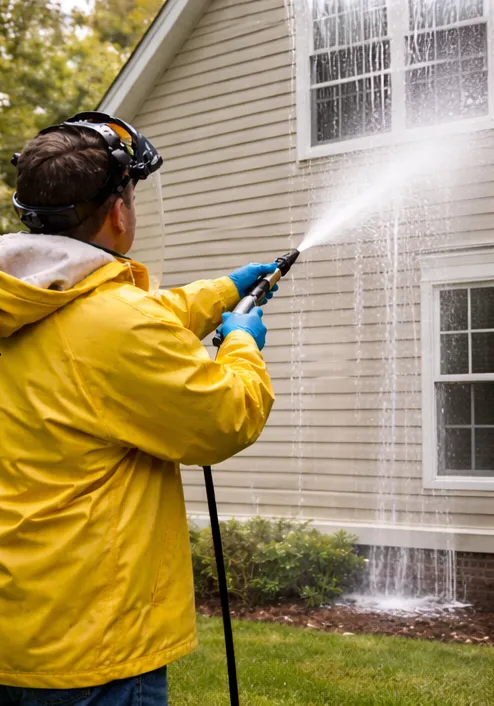
Soft washing uses low-pressure water with targeted, biodegradable cleaners to remove mold, algae, mildew and other biological stains without harming roofing, siding or landscaping. This guide explains how soft washing works in Steinbach’s climate, why it’s safer than traditional pressure washing, which surfaces benefit most, and how the method supports environmental care and long-term property value. You’ll get clear decision points for Steinbach homes and businesses, surface-specific benefits for roofs, siding, decks and concrete, and a straightforward cost-and-risk comparison with pressure washing. We also cover containment and biodegradable best practices for Manitoba conditions and explain when to hire a certified soft wash professional. Finally, we point out trusted local providers and the warranty options available to Steinbach property owners who want durable, eco-conscious maintenance.
What soft washing is — and why it works well in Steinbach
In Steinbach, soft washing combines low-pressure spray (usually around 100 PSI) with biodegradable, targeted cleaning solutions to safely remove biological growth. Instead of blasting contaminants off surfaces, the chemistry kills organisms at their root so they don’t return quickly. That dwell time is what lets the product inactivate mold, algae and lichen without scouring paint or tearing shingles. The approach is especially useful here because seasonal moisture and temperature swings encourage growth on roofs and siding — killing those organisms reduces staining and material wear over months and years. Understanding that difference helps when you compare soft washing directly with pressure washing and decide which method fits each job.
Soft washing vs. pressure washing — the key differences
The two methods are different tools for different problems. Soft washing relies on chemical action at low PSI to kill living contaminants and preserve finishes; pressure washing uses high-pressure water to physically strip soils. Soft washing prevents rapid regrowth and protects paint, shingles and vinyl; high-pressure water can remove paint, dislodge shingle granules and etch softer materials. For Steinbach homes with vinyl siding, asphalt shingles or older wood decks, soft washing cuts the chance of post-cleaning repairs. Pressure washing still has a place — for heavy, non-living stains on very durable surfaces like industrial concrete — but it’s not the right solution for organic growth on delicate materials.
What biodegradable cleaners and low-pressure methods are used?
Soft washing uses biodegradable formulas — often surfactants combined with approved oxidizers or biocides — designed to break down organic material without leaving harmful residues when applied correctly. Typical products are plant-safe cleaners and industry-approved agents that neutralize mold and algae cell walls, making runoff management easier and lowering environmental impact. Equipment is set up for consistent low-pressure application and proper dwell time: calibrated pumps, foaming nozzles and dilution controls are standard. Good technique also includes pre-wetting plants, using containment where needed, and following dilution guidelines to protect landscaping — all important practices for Steinbach properties.
Key benefits of soft washing for Steinbach homes and businesses
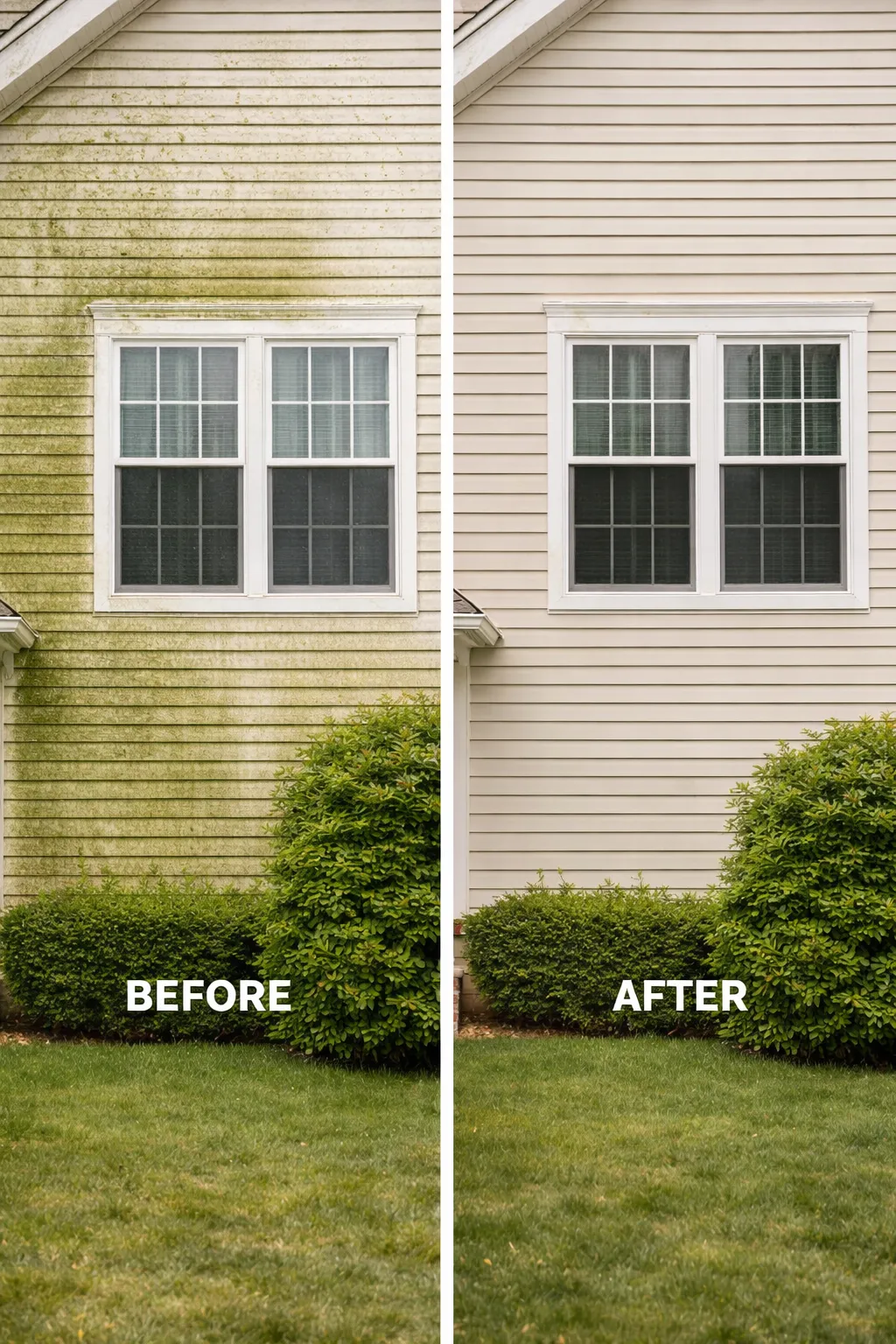
Soft washing delivers practical benefits for Steinbach properties: it preserves materials, keeps surfaces cleaner longer, uses less water, and improves curb appeal without damage. The approach combines chemical inactivation of biological growth with gentle application, so you avoid repeated abrasive cleaning and the wear that shortens a material’s service life. For homeowners and businesses in Southeast Manitoba, that means less downtime, lower maintenance costs and reduced risk of moisture-related failures. Here’s a quick list of the core advantages to help with decision-making.
Soft washing provides these main benefits:
- Gentle surface protection: Low-pressure cleaning avoids abrasive damage that can strip paint or loosen shingles.
- Longer-lasting results: Biocidal treatments kill organisms at the root so surfaces stay cleaner much longer than with mechanical cleaning.
- Environmental efficiency: Uses significantly less water and biodegradable solutions to limit runoff impact.
- Health and safety: Removes mold, algae and mildew that can trigger allergies and make walkways slippery.
- Better curb appeal and value: Restores appearance without etching surfaces, helping preserve resale value.
Those benefits add up to a clear business case: fewer repeat services, preserved materials and safer surfaces. The table below translates each benefit into the mechanism that produces it and the customer outcome you can expect.
How different benefits deliver practical value for property owners.
| Benefit | Mechanism (how it works) | Result / Value |
|---|---|---|
| Gentle Surface Protection | Low-pressure application + chemical cleaning | Avoids abrasion and extends material life |
| Longer-Lasting Clean | Biocidal action kills contaminants at the root | Fewer cleanings and lower maintenance frequency |
| Environmental Efficiency | Targeted solutions + reduced water use | Lower runoff impact and water conservation |
| Health & Safety | Removal of mold, algae and mildew | Fewer allergens and safer, less slippery surfaces |
| Aesthetic Restoration | Removal of biological stains | Improved curb appeal and perceived property value |
This summary shows how technical steps translate into long-term advantages for Steinbach properties. The next sections look at how specific surfaces benefit and what results you can expect.
After reviewing benefits, many owners want assurance that a certified, experienced team will do the work; the next heading explains which surfaces respond best and how professional service supports good outcomes.
Which surfaces can be soft washed in Steinbach — and what you’ll gain

Soft washing is effective on the exterior surfaces most prone to biological growth in Steinbach — roofs, siding, decks and concrete — and each material sees distinct benefits. Roof treatments focus on algae and lichen removal without dislodging shingle granules; siding work removes streaking and protects paint; deck cleaning eliminates mildew that speeds wood rot; and concrete cleaning controls moss and organic stains without etching. Homeowners get immediate visual improvement and measurable ROI through longer material life and fewer repairs. The quick-reference table below helps you match outcomes to surface types and expected return on investment.
Knowing which surfaces benefit most helps you prioritize maintenance and schedule treatments wisely.
| Surface | Why Soft Wash Is Ideal | Typical Outcome / ROI |
|---|---|---|
| Roof (shingles) | Kills algae and moss without removing granules | Extended shingle life and preserved warranty |
| Vinyl or Painted Siding | Removes biological staining without stripping paint | Restored look and fewer repaint cycles |
| Wood Decks | Eliminates mildew while protecting wood fibers | Slower deterioration and lower refinishing costs |
| Concrete & Driveways | Removes organic stains without surface erosion | Safer, cleaner surfaces and delayed replacement |
This table clarifies what to expect and helps Steinbach owners choose services based on material life-cycle priorities. For many properties, roof soft washing is a key preventive step to avoid shingle degradation and keep curb appeal high.
When arranging surface-specific work, look for providers who follow material-specific protocols — for example, dedicated roof soft washing and siding-focused treatments with appropriate follow-up care. The next section explains why roofs especially benefit from certified soft washing and how warranties come into play.
Why roof soft washing protects longevity and curb appeal
Roofs benefit because soft washing removes growth that eats at shingle granules and holds moisture, both of which accelerate wear and can reduce insulating performance. The chemicals penetrate and inactivate organisms, reducing regrowth and helping shingles keep their integrity and appearance. For Steinbach homeowners, routine roof soft washing lessens staining, boosts curb appeal and can help meet warranty conditions when done by trained technicians. Many certified providers also offer spot-free or limited roof warranties, giving extra confidence that the work was done correctly and protecting you against immediate recurrence.
How soft washing improves siding, deck and concrete appearance
Soft washing cleans the organic films that cause discoloration, slippery surfaces and material breakdown — without the abrasive effects of high-pressure water. On vinyl or painted siding, it removes grime without stripping paint or warping panels, helping finishes last longer. On wood decks, it removes mildew and algae that lead to rot and splintering, preserving strength and looks. For concrete, soft washing reduces organic staining without etching the surface, returning a safer, more attractive area and reducing the need for aggressive mechanical methods.
How soft washing is an eco-friendlier exterior cleaning choice for Manitoba homes
Soft washing is eco-friendlier because it uses targeted biodegradable chemistries and far less water, plus responsible runoff practices. The environmental benefit is twofold: effective chemistry means fewer repeat cleanings, and low-pressure application typically uses about one-third the water of traditional pressure washing. Local technicians also employ containment and pre-wetting to protect plants and direct runoff to permeable areas whenever possible. Those steps reduce chemical loads in stormwater and lower pathogen reservoirs on exterior surfaces — an important consideration for homes and businesses across Steinbach and Southeast Manitoba.
Which water-conservation and biodegradable practices make soft washing sustainable?
Sustainable soft washing depends on correct dilution, careful flow control and runoff containment. Good operators measure concentrations to ensure microbial kill without excess, pre-wet and protect landscaping, and route runoff away from storm drains to allow natural breakdown. Using roughly one-third the water of pressure washing reduces strain on local resources and lowers runoff volume. These water-saving and containment practices are especially important in climates with seasonal runoff and help cleaning activities align with local stewardship goals.
How soft washing promotes a healthier environment by removing mold, algae and mildew
Removing mold, algae and mildew reduces airborne spores and contact points that can trigger allergies or create slippery hazards. Soft washing’s biocidal action shrinks the reservoir of biological contaminants, lowering the chance of spores entering ventilation systems or being tracked indoors. For public-facing businesses and family homes in Steinbach, cleaner exteriors mean fewer occupant exposure risks and safer walkways and decks. Tackling biological load at the source supports both immediate safety and better indoor air quality over the long term.
Why choose Denver’s Window Cleaning & SoftWash for Steinbach soft washing?
When you pick a local provider, look for proven training, reliable methods and clear warranty protections — signs that the job will be done safely and consistently. Denver’s Window Cleaning & SoftWash is a family-owned local business that expanded into soft washing and is an authorized SoftWash Systems professional. That authorization reflects hands-on training in low-pressure, biocide-driven cleaning methods. Our approach focuses on biodegradable solutions, calibrated low-pressure application and workmanship that follows industry best practices — using roughly one-third the water of pressure washing and delivering results that last longer than mechanical cleaning alone. For Steinbach customers who want certified service and warranty-backed roof protection, these strengths help reduce long-term maintenance while supporting environmentally minded cleaning.
What being the only SoftWash Systems authorized professional in Manitoba means
Being an authorized SoftWash Systems professional means specialized certification in the soft washing method, including training on safe chemical use, correct application protocols and equipment calibration for low-pressure exterior cleaning. This authorization shows technicians know how to apply biodegradable solutions effectively and manage dwell time and containment so runoff is handled responsibly. For customers, certification is a visible quality signal that the provider follows established protocols to protect materials and the environment. Choosing an authorized pro gives Steinbach property owners consistent results and professional accountability for roof, siding, deck and concrete cleaning.
How nearly 20 years of local experience helps Steinbach customers
Years of local experience translate into better timing, faster recognition of regional contaminants and scheduling that fits Steinbach’s seasons. A family-owned operator with long roots in Southeast Manitoba understands which organisms return under local microclimates, how to protect regional landscaping, and which maintenance intervals deliver the best lifecycle value. That local knowledge helps technicians recommend efficient treatment schedules and prioritize work that avoids costly repairs. For homeowners and businesses, experience means less downtime, predictable results and service tailored to regional realities instead of one-size-fits-all cleaning.
If you’re ready to evaluate options, a consultation with a certified local provider will clarify expected results, warranty coverage and a maintenance plan that suits Steinbach conditions.
Cost and long-term value: soft washing vs. pressure washing
Soft washing often costs less over the long run because it reduces cleaning frequency, prevents damage-related repairs and extends material life. Upfront prices vary by area and contamination level, but the long-term economics usually favor soft washing when you include fewer service events and avoided replacements. The idea is simple: soft washing’s biocidal action lasts longer, which lowers the total number of cleanings over a decade. The table below compares upfront and long-term cost attributes plus damage risk for each method to help you make a practical choice.
A side-by-side look at attributes to guide Steinbach property owners.
| Method | Upfront Cost | Long-Term Cost (maintenance/repairs) | Damage Risk |
|---|---|---|---|
| Soft Washing | Moderate; depends on area | Lower — fewer cleanings and less repair work | Low — designed to preserve materials |
| Pressure Washing | Often lower per event | Higher — repeated cleanings and possible repairs | Higher — potential abrasion and material loss |
| Hybrid Approach | Variable; selective use | Optimized when applied to appropriate surfaces | Managed by choosing the right method per surface |
While pressure washing can look cheaper per visit, soft washing typically lowers lifecycle costs and reduces damage risk. Use the checklist below to decide which method suits your needs.
Match the cleaning method to surface sensitivity, contamination type and your long-term maintenance goals.
- Choose soft washing when: The surface is delicate (shingles, painted wood, vinyl) or you’re treating biological growth.
- Consider pressure washing when: Heavy, non-biological stains exist on durable stone or industrial concrete.
- Use a hybrid approach when: Your property has mixed surfaces that need different methods for the best outcome.
Applying this checklist helps you make cost-effective choices that protect assets over time.
How soft washing cuts maintenance costs and prevents damage
Soft washing lowers maintenance costs by killing organisms at the cellular level, which slows regrowth and lengthens intervals between treatments. Avoiding mechanical abrasion prevents the small damages — paint loss, shingle granule depletion, or wood fiber erosion — that lead to costly repairs or early replacement. In Steinbach’s freeze-thaw climate, preserving materials with gentle cleaning reduces compounded weathering effects. Actual savings depend on material and service frequency, but the principle is consistent: fewer cleanings and less damage equal lower lifecycle costs.
When Steinbach property owners should pick soft washing over pressure washing
Choose soft washing for organic stains, sensitive materials or when long-term preservation matters. Reserve pressure washing for durable, heavily stained hardscapes where mechanical force is appropriate. If your property has mixed materials, work with a certified provider who can apply a hybrid approach safely. When unsure, get an assessment from a certified soft washing professional who understands Steinbach’s climate and local material concerns.
This practical guidance helps you balance cost, safety and longevity when choosing between methods.
Frequently asked questions
How often should I soft wash in Steinbach?
Frequency depends on exposure and surface type. Generally, roofs and siding benefit from soft washing every 1–3 years; decks may need more frequent attention if shaded or consistently damp. Regular inspections are the best way to decide — clean when you see biological growth or staining. A proactive schedule extends material life and keeps your property looking its best.
Can soft washing be done in winter?
Soft washing in winter is possible but needs careful planning. Temperatures should be above freezing so solutions don’t freeze on surfaces and reduce effectiveness. Technicians may adjust methods for ice and snow and take extra safety precautions. Talk to a professional to determine if conditions are suitable for a winter service in Steinbach.
Are there surfaces that shouldn’t be soft washed?
Most common exteriors respond well to soft washing, but some heavily damaged or deteriorated materials may need repair before cleaning. Certain porous, unsealed materials or delicate natural stone can absorb solutions and may require special handling. Always consult a certified soft washing professional to evaluate your specific surfaces before proceeding.
Does soft washing harm the local ecosystem?
When done responsibly, soft washing is designed to be eco-friendly. It uses biodegradable cleaners and much less water than pressure washing — roughly one-third the volume — and operators follow runoff containment practices to protect plants and watercourses. Proper application reduces the environmental impact while removing harmful biological contaminants that affect people and wildlife.
How should I prepare for a soft washing appointment?
Prepare by clearing the work area: move furniture, potted plants and decorations away from surfaces to be cleaned. Let your provider know about any sensitive plants or special concerns. Many technicians will pre-wet landscaping as an added protection. Clear communication helps ensure a smooth, effective service.
What warranties or guarantees come with soft washing?
Reputable providers often offer warranties or satisfaction guarantees to protect against immediate recurrence of growth or to address any concerns after cleaning. Warranty terms vary, so ask about length and what’s covered before you book. A clear warranty gives you confidence that the provider stands behind their work.
Conclusion
Soft washing gives Steinbach homeowners and businesses a safe, eco-conscious way to remove harmful biological growth while protecting materials. The method extends the life of roofs, siding, decks and concrete, reduces long-term maintenance costs and improves curb appeal. If you want lasting, low-impact results, contact a certified local provider to discuss a tailored soft washing plan for your property.