Pressure washing and soft washing differ in pump pressure, technique, and chemical use: pressure washing relies on high-force water alone. Soft washing pairs low pressure with specialized cleaning agents. Denver’s Window Cleaning & SoftWash, serving Southeast Manitoba since 2006, selects the method matching each surface’s material, fragility, and cleaning goal.
What Sets Soft Washing And Pressure Washing Apart?
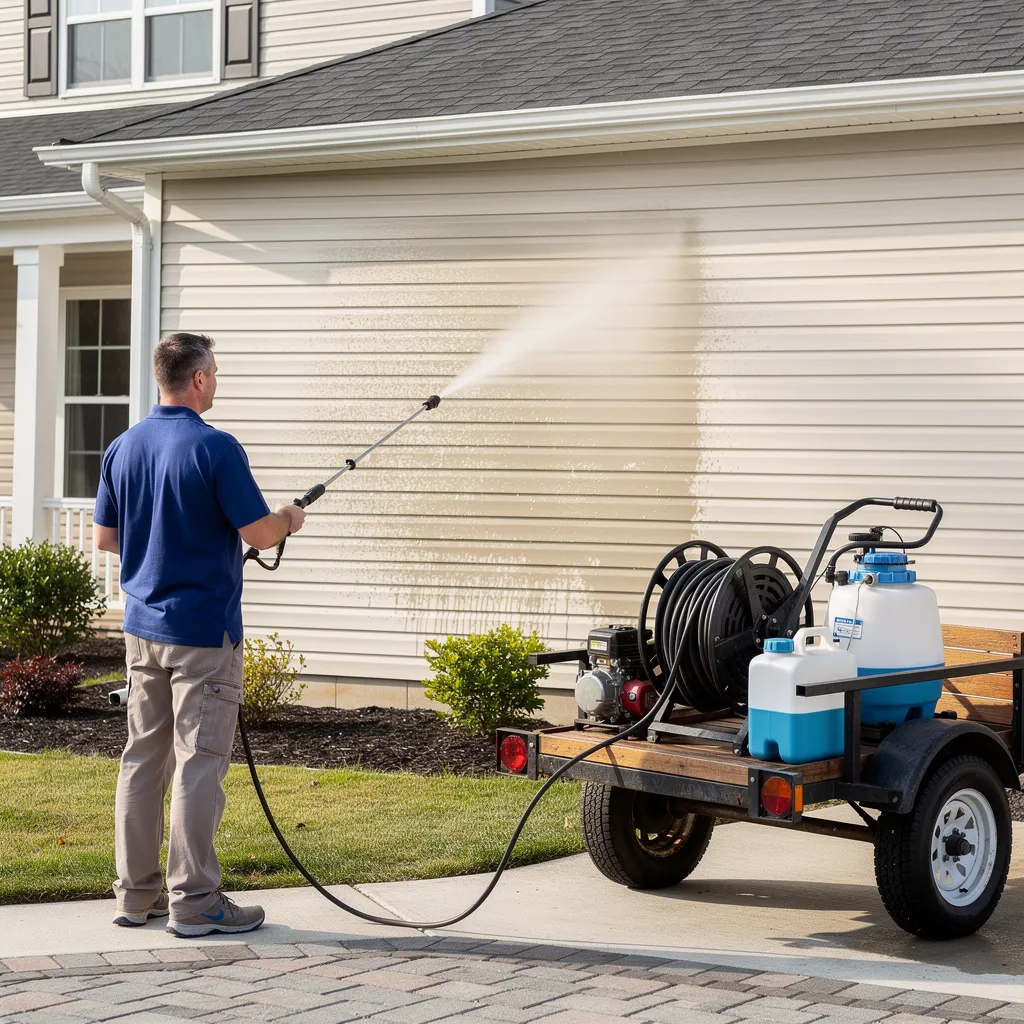
Equipment and chemistry, not marketing language, separate these two cleaning methods. Soft washing relies on a pump sprayer that pairs low-pressure water with specialized cleaning solutions, breaking down grime through chemistry rather than force. Pressure washing, by contrast, depends on high-pressure water alone, often falling between 1,500 and 4,000+ PSI, to physically blast dirt, mold, and buildup off a surface.
That force-versus-finesse distinction matters more than many property owners realize. Industry professionals who operate high-pressure sprayers often use the two terms interchangeably, but the underlying equipment and chemical makeup differ considerably. Treating them as identical can lead to the wrong method being applied to a delicate surface.
Is one method gentler than the other?
Yes. Soft washing uses lower pressure and relies on cleaning agents to elevator dirt, which reduces the physical impact on siding, shingles, and painted surfaces. Pressure washing’s reliance on raw water pressure makes it more aggressive, suited for surfaces built to withstand that force.
The two approaches compare like this:
| Factor | Soft Washing | Pressure Washing |
|---|---|---|
| Primary mechanism | Low-pressure water + chemicals | High-pressure water (1,500-4,000+ PSI) |
| Surface impact | Gentler | More forceful |
| Best suited for | Delicate exteriors | Durable, hard surfaces |
Which method does Denver’s Window Cleaning & SoftWash use?
Denver’s Window Cleaning & SoftWash provides both standard pressure washing and soft washing, ensuring homeowners, cottage owners, and property managers get the correct method for their specific surface. Rather than defaulting to one technique, the right option gets matched to the job, protecting the exterior while still delivering a thorough clean.
Why Choose Soft Washing Over Pressure Washing?
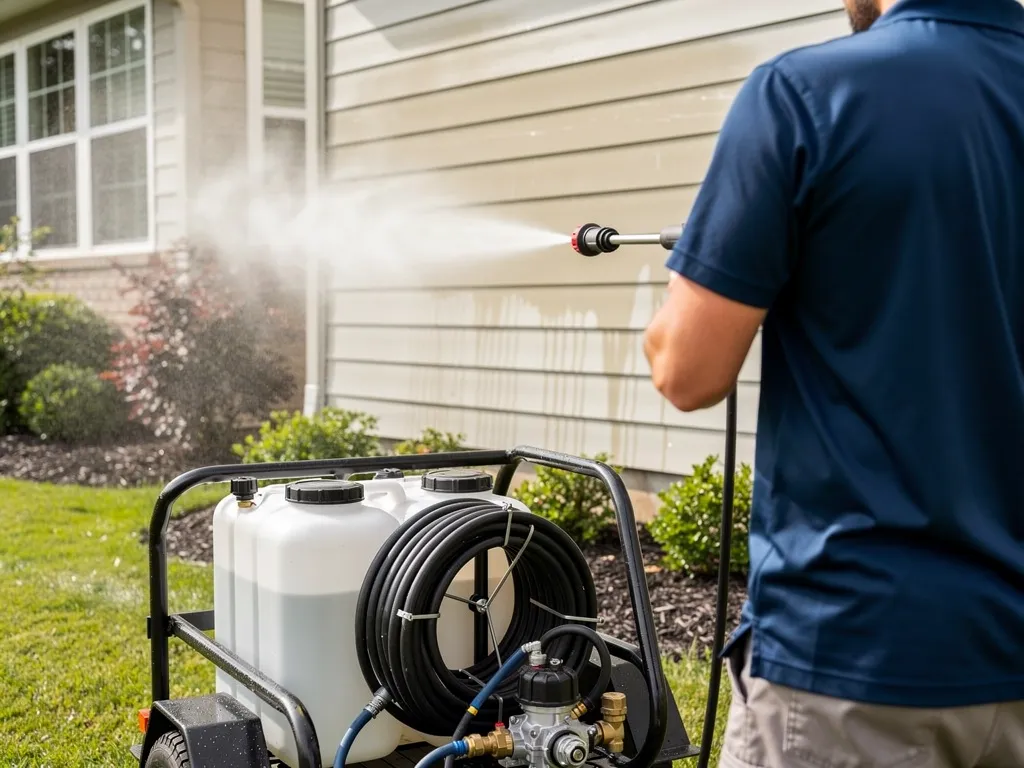
Why choose soft washing over pressure washing comes down to one word: control. Soft washing relies on a gentle chemical process rather than brute force, making it the safer option for siding, stucco, and painted surfaces that a high-pressure stream could crack, strip, or splinter. Homes built with delicate exterior materials simply cannot absorb the same force that concrete or brick can handle.
The numbers explain why the risk drops so sharply. Soft wash sprayers typically run between 150. 300 PSI, a fraction of the pressure found in standard pressure washing equipment. That lower force lets cleaning solutions do the work of lifting dirt. Organic growth, instead of blasting it off and gouging the surface underneath in the process.
Does soft washing actually clean as well as pressure washing?
Yes. Regardless of which method fits a property, Denver’s technicians remove dirt and grime completely, leaving the exterior looking renewed rather than merely rinsed. The difference lies in technique, not results: soft washing achieves a thorough clean without the collateral damage that excessive pressure can cause on vulnerable materials.
Does soft washing do anything besides clean the surface?
It goes further than appearance. A soft wash service sanitizes the home at the same time it cleans, addressing issues that a standard rinse leaves behind. Specifically, soft washing treatments target:
- Mildew buildup on siding and trim
- Mold growth in shaded, damp areas
- Bacteria that contribute to odors and staining
- Algae streaking on roofs and exterior walls
Treating these contaminants directly means the home or business stays in excellent condition for the long term, not just immediately after the cleaning crew leaves. For cottage owners who only visit seasonally, that lasting protection matters even more. Organic growth can take hold unnoticed between visits. Property managers overseeing multiple exteriors benefit similarly, reducing the risk of surface damage claims while still delivering the deep, sanitized clean that tenants and clients notice right away.
When Does Pressure Washing Make More Sense?
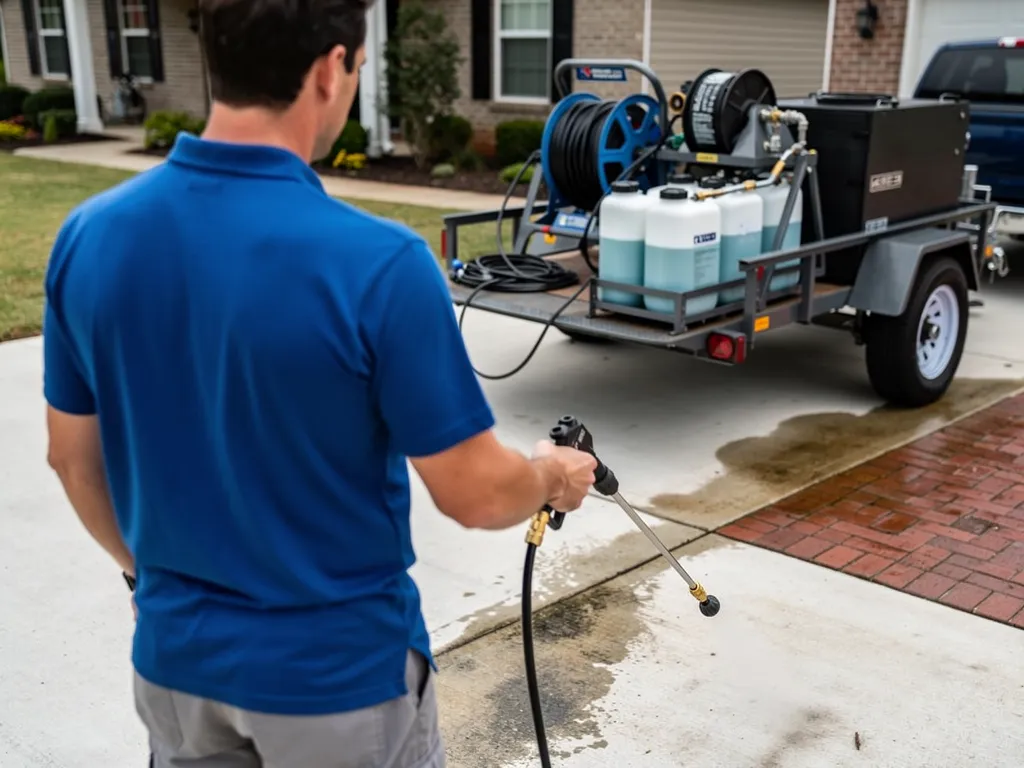
Pressure washing earns its place on tough, non-porous surfaces like concrete driveways, brick walkways, and stone patios. Hard hardscaping can handle the higher force that pressure washing delivers, making it the practical choice for ground-level surfaces rather than siding or roofing.
Homeowners and property managers generally have two main cleaning options to weigh for driveways, patios, and other hard surfaces: soft washing and pressure washing. Both aim for the same result, a cleaner, healthier-looking property. Beneath that shared goal, though, the techniques, pump pressure, equipment, and chemicals involved vary considerably between the two methods.
Is pressure washing ever the wrong choice?
Yes, when the surface can’t handle the force behind it. Using the wrong method, or worse, the wrong equipment, risks property damage, wasted time, and added expense for the homeowner. Siding, stucco, painted wood, and roofing shingles fall into this risk category far more often than concrete or stone.
How does a technician decide which method to use?
A trained eye makes the call, not guesswork. Denver’s technicians assess each property first, then select the ideal method based on the surface type and the homeowner’s specific needs.
Best candidates for pressure washing typically include:
- Concrete driveways and walkways
- Brick or stone patios
- Garage floors and sealed pavers
- Outdoor furniture rated for high-pressure cleaning
For anything more delicate, a gentler approach protects the investment better than brute force ever could.
What Makes Denver’s Accreditation And Experience Matter?
Accreditation sets Denver’s Window Cleaning & SoftWash apart as the only SoftWash Systems Authorized Professional operating in Manitoba. That credential signals formal training in proper dilution rates, surface-safe techniques, and the chemistry behind effective soft washing. Homeowners and property managers gain a measurable safeguard: exterior cleaning performed by a crew trained to the same standards used across the industry, not guesswork learned on the job.
Experience backs up that credential. Denver and Tammy founded the company in 2006, building a family-owned business with nearly two decades of hands-on work across the region. Two decades of seasonal cycles, from prairie dust storms to winter grime, teaches a crew what Manitoba exteriors actually need.
Where does Denver’s Window Cleaning & SoftWash provide service?
Coverage extends across numerous Southeast Manitoba communities, including Whiteshell, Grunthal, Niverville, and many surrounding towns. Cottage owners near the lake and property managers running commercial sites in town both fall within that service footprint.
When can property owners reach the team?
Consultations and scheduling run Monday through Friday, 8:00 AM to 5:00 PM. That consistent window makes it simple to plan a cleaning around a busy season or an upcoming property inspection.
Combined, accreditation and tenure answer a practical question: who can be trusted with brick, siding, and roofing that pressure alone can damage? A few reasons this combination matters:
- Verified training: SoftWash Systems accreditation confirms technique and chemical knowledge, not just equipment ownership.
- Regional knowledge: Nearly 20 years of local service means familiarity with Southeast Manitoba’s building materials and climate stress.
- Accessible scheduling: Weekday office hours keep consultations straightforward to arrange.
Credentials without experience raise questions. Experience without credentials raises others. Denver’s Window Cleaning & SoftWash offers both.
How Do You Choose The Right Method?
Surface material, soil type, and the property’s long-term condition determine which cleaning method fits best. A consultative assessment, not a one-size-fits-all spray pattern, leads to the right answer. That assessment is exactly why many homeowners ask about why choose soft washing over pressure washing before committing to a service.
Every project at Denver’s Window Cleaning & SoftWash starts with a conversation, not a quote pulled from thin air. Technicians walk the property, evaluate siding, roofing, and trim, then recommend the gentler or stronger approach based on what the surface can actually handle. Customers receive honest answers about what their home needs, even when that means steering them away from a more aggressive method they assumed was necessary.
Does the Right Choice Depend on the Surface?
Yes. Delicate materials like painted wood, stucco, or aging shingles respond better to soft washing’s low-pressure chemical application, while driveways and concrete often tolerate higher pressure safely. Matching method to material protects the surface and the homeowner’s investment.
Decision factors typically include:
- Surface material (vinyl, wood, brick, concrete, roofing)
- Visible soil type (algae, mildew, dirt, grime buildup)
- Property age and condition
- Long-term maintenance goals
Because the business is family-owned, the priority stays focused on helping homeowners and property managers protect their property for years, not just produce a quick clean. That long-term view, paired with honest, consultative guidance, is what keeps the right method matched to the right surface every time.
FAQ
What is the main difference between soft washing and pressure washing?
Soft washing uses low-pressure water combined with specialized cleaning agents to break down grime through chemistry. Pressure washing relies solely on high-force water, often between 1,500 and 4,000+ PSI, to blast dirt away.
Is soft washing safer for delicate surfaces than pressure washing?
Yes, soft washing’s lower pressure and reliance on cleaning agents reduce physical impact, making it safer for siding, shingles, stucco, and painted surfaces that could crack or strip under high-pressure water.
Does Denver’s Window Cleaning & SoftWash offer both cleaning methods?
Yes, they provide both standard pressure washing and soft washing, matching the correct method to each surface’s material and fragility rather than defaulting to one technique for every job.
Conclusion
In closing, the choice between soft washing and pressure washing depends entirely on your property’s specific needs and surface vulnerabilities. Soft washing protects delicate materials while delivering superior long-term results, whereas pressure washing handles heavy-duty buildup efficiently. As Southeast Manitoba’s only SoftWash Systems Authorized Professional, we approach every project as consultants, asking the right questions to recommend the solution that best preserves your home’s integrity and appearance. Contact us for a free consultation to discover which method serves your exterior cleaning goals.