7 Clear Signs Your Home Needs Professional Soft Washing Services Now
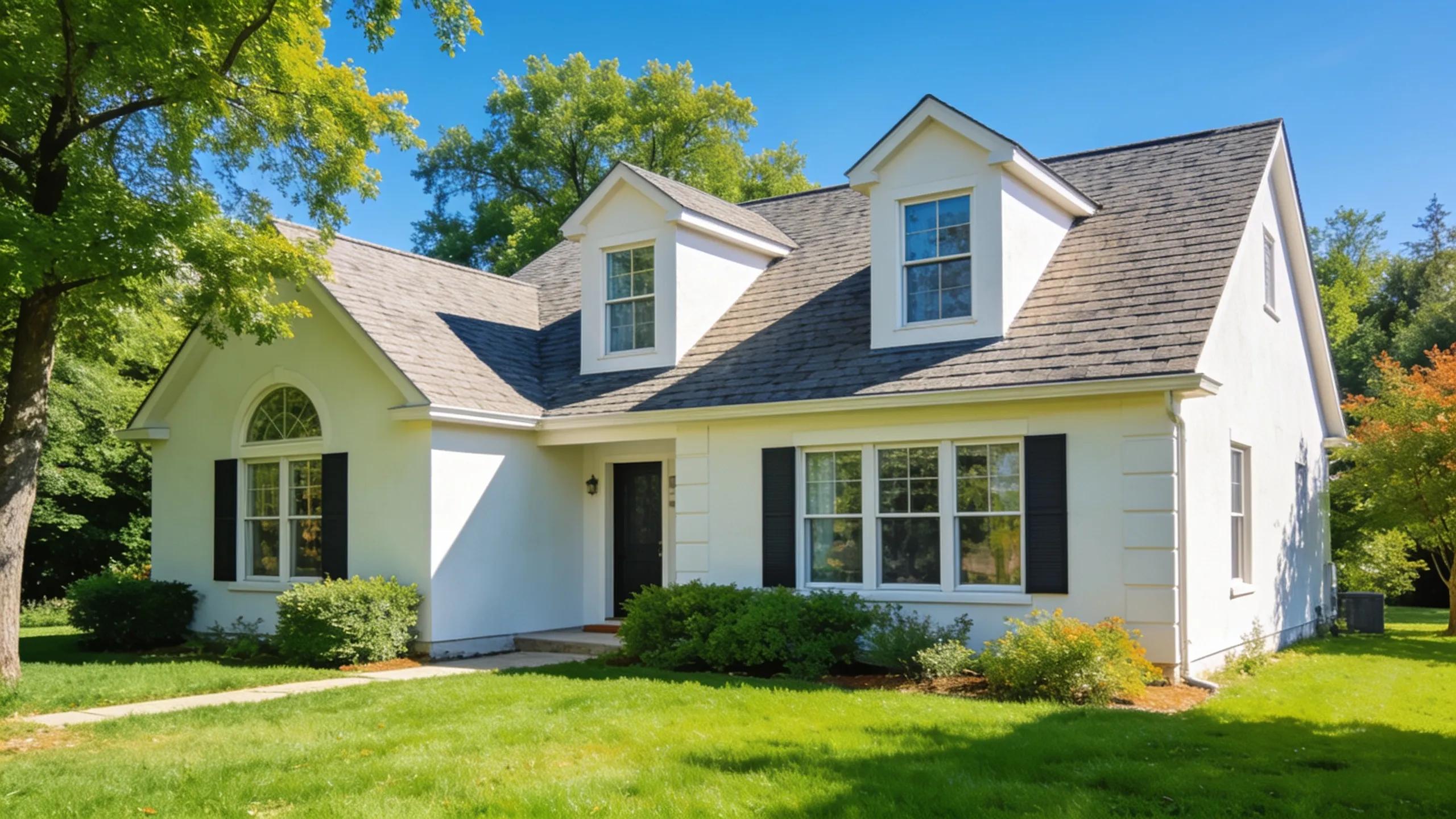
Maintaining your home’s exterior preserves both its appearance and its structural integrity. Over time, contaminants accumulate on surfaces and can cause damage or pose health concerns. This article details seven clear signs that indicate professional soft washing is needed, so homeowners can act early to protect their property and restore its condition. We also summarise the benefits of timely intervention, the risks of neglect, and how to identify mold and algae.
The seven clear signs that indicate when a home requires professional soft washing services are:
Recognizing these signs is essential to protect your home’s value and safety. Below are the seven key indicators to watch for.
1. Visible Dirt and Grime
Noticeable dirt and grime on exterior surfaces reduce curb appeal and often accumulate on siding, roofs, and driveways. If left untreated, this buildup can lead to mold formation and structural issues. Regular soft washing removes the residue, restores the exterior and helps prevent further deterioration.
2. Mold and Mildew Growth
Mold and mildew are both unsightly and potentially harmful to occupants. They develop in damp conditions and may signal moisture problems. Dark spots or patches on siding or roofing should prompt consideration of professional soft washing to protect health and avoid more costly repairs.
3. Discoloration
Discoloration can indicate algae, mold, or other surface contaminants, and it undermines the visual condition of the property. It may also point to underlying issues that need attention. Soft washing restores colour and improves overall appearance.
Benefits of Timely Intervention
Prompt soft washing delivers measurable benefits for homeowners.
- Prevention of Structural Damage: Regular soft washing helps prevent the buildup of harmful contaminants that can lead to structural issues over time.
- Enhanced Aesthetic Appeal: A clean exterior significantly improves your home’s curb appeal, making it more inviting and attractive.
- Health Hazard Reduction: Timely intervention reduces the risk of mold and mildew growth, which can pose health risks to your family.
For homeowners seeking professional assistance, Denver’s Soft Wash provides expert soft washing services tailored to the needs of Denver-area properties.
Consequences of Neglecting Soft Washing
Neglecting soft washing can result in several adverse outcomes for your home.
- Increased Repair Costs: Neglecting exterior cleaning can result in more severe damage, leading to costly repairs down the line.
- Aesthetic Decline: A dirty exterior can make your home look unkempt and decrease its overall value.
- Health Risks: Mold and mildew can exacerbate respiratory issues and allergies, posing health risks to occupants.
Denver’s Soft Wash offers solutions to reduce these risks and help keep your home safe and visually appealing.
What Are the Visible Signs of Mold and Algae on Your Home Exterior?
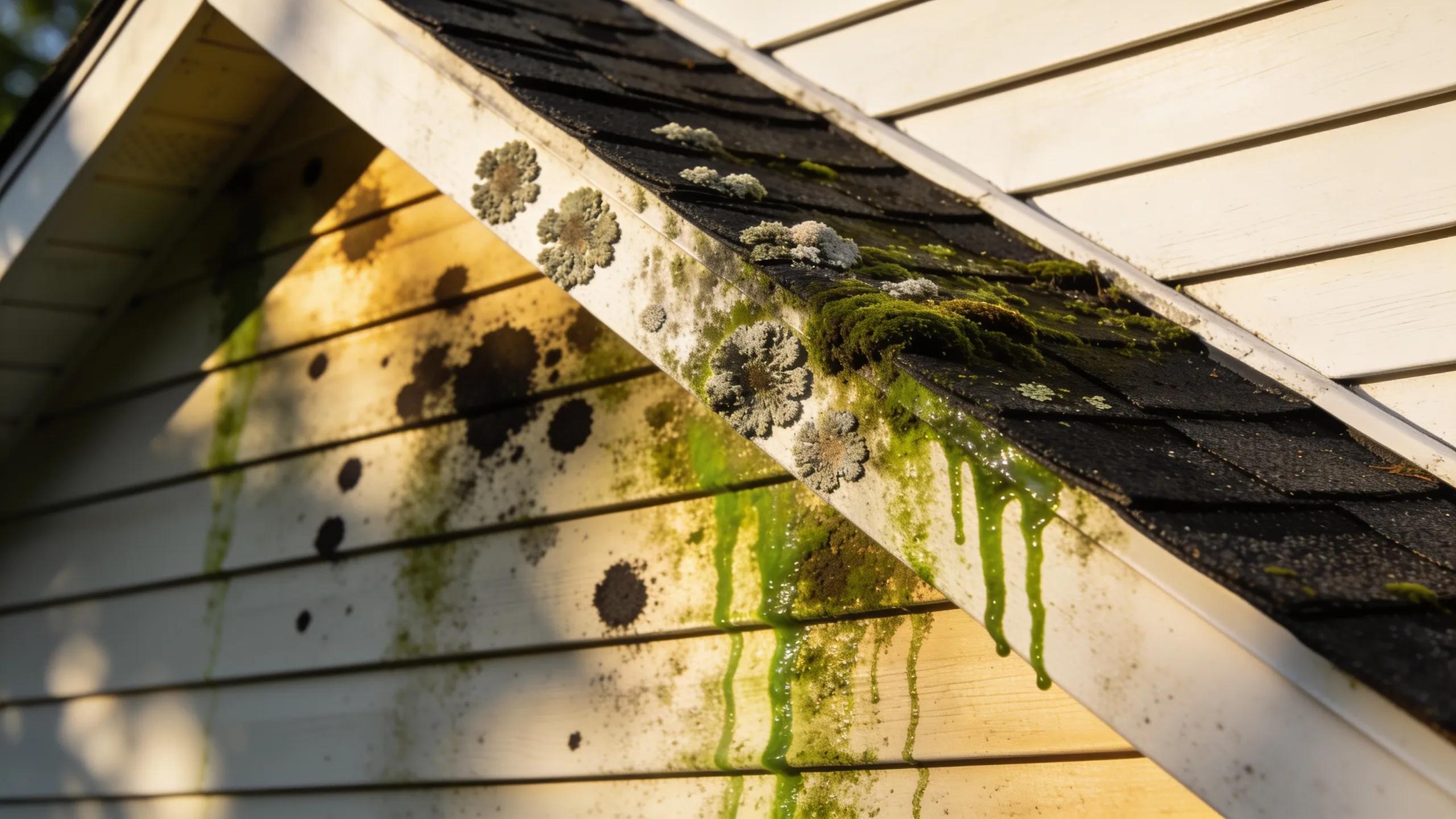
Detecting mold and algae early is important for timely intervention. The following visible signs commonly indicate their presence:
- Visible Mold or Mildew: Dark spots or patches on surfaces indicate mold growth.
- Green or Black Streaks: Algae often appears as green or black streaks, particularly on roofs and siding.
- Discoloration: Any unusual color changes on your home’s exterior surfaces may signal the presence of mold or algae.
Early detection allows you to address the issue before it worsens.
How to Identify Mold Growth on Siding and Roof Surfaces
To identify mold on siding and roof surfaces, use the following practical methods:
- Regular Inspections: Conduct routine checks of your home’s exterior, especially after heavy rain or storms.
- Look for Changes: Pay attention to any changes in color or texture on your siding and roof surfaces.
Consistent vigilance helps you spot mold early so professionals can treat it promptly with soft washing.
Recognizing Algae and Discoloration on Home Exteriors
Algae and discoloration diminish your home’s appearance. Key indicators include:
- Visible Mold or Mildew: Look for dark spots or patches that may indicate mold growth.
- Green or Black Streaks: Algae often manifests as streaks on roofs and siding, which can be unsightly.
Recognizing these signs helps determine when to schedule professional soft washing.
When Should You Schedule Exterior House Cleaning for Optimal Maintenance?
Scheduling exterior cleaning supports both appearance and long-term integrity. Consider the following recommendations:
- Seasonal Recommendations: Spring and fall are ideal times for soft washing, as they allow for thorough cleaning before and after harsh weather conditions.
- Frequency of Cleaning: Homes in humid climates may require more frequent soft washing to prevent mold and algae growth.
Consistent maintenance helps keep your home in optimal condition.
How Often Should Denver Homes Undergo Professional Soft Washing?
In the Denver area, professional soft washing is generally recommended every one to two years. Frequency will vary based on specific conditions such as:
- Environmental Factors: Homes located near trees or water sources may require more frequent cleaning due to increased debris and moisture.
- Visible Signs of Contamination: If you notice dirt, mold, or algae, it may be time to schedule a cleaning sooner.
Regular soft washing helps protect your investment and maintain your home’s appearance.
What Are the Risks of Delaying Exterior Cleaning Services?
Delaying exterior cleaning presents several risks, including:
- Structural Damage: Accumulated dirt and contaminants can cause long-term damage to your home’s exterior.
- Aesthetic Decline: A dirty exterior can detract from your home’s curb appeal and overall value.
Prompt soft washing helps you avoid these risks and preserve your home’s integrity.
How Does Soft Washing Compare to Pressure Washing for Siding and Roof Care?
Soft washing and pressure washing differ in their approach and suitability for various surfaces. Key distinctions include:
- Effectiveness: Soft washing is effective for removing mold and algae without damaging surfaces, while pressure washing can be too harsh for delicate materials.
- Potential Damage Risks: Pressure washing can cause damage to siding and roofs if not done correctly, whereas soft washing uses low-pressure techniques to protect surfaces.
Selecting the appropriate method is essential to protect surfaces and achieve effective cleaning results.
What Are the Benefits of Soft Washing Over Pressure Washing?
Soft washing provides several advantages compared with pressure washing:
- Surface Protection: Soft washing uses gentle cleaning agents and low pressure, reducing the risk of damage to delicate surfaces.
- Effective Mold Removal: The cleaning agents used in soft washing effectively kill mold and algae, preventing regrowth.
- Longer-Lasting Results: Soft washing can provide longer-lasting results compared to pressure washing, as it addresses the root cause of contamination.
These advantages make soft washing the preferred option for many homeowners.
Can Soft Washing Safely Remove Mold and Algae Without Damage?
Soft washing can remove mold and algae safely without harming exterior materials. The process typically includes the following elements:
- Chemical Action: Biodegradable cleaning agents effectively kill mold and algae.
- Low-Pressure Application: The low-pressure technique ensures that surfaces are cleaned without risk of damage.
This approach is well suited to delicate materials such as shingles and siding.
What Are the Health and Structural Risks Indicating the Need for Soft Washing?
Failing to address exterior contamination can lead to both health and structural concerns, including:
- Visible Mold and Mildew: These can exacerbate respiratory issues and allergies.
- Discoloration: This may indicate underlying moisture problems that can compromise structural integrity.
Addressing these issues promptly with professional soft washing helps protect your home and the health of its occupants.
How Mold and Algae Affect Home Safety and Air Quality
Mold and algae can negatively affect both home safety and indoor air quality. Key considerations include:
- Health Implications: Mold exposure can lead to respiratory problems and allergic reactions.
- Potential for Structural Damage: Mold growth can weaken structural components, leading to costly repairs.
Regular soft washing reduces these risks and helps maintain a safer living environment.
Signs of Structural Damage Linked to Exterior Contaminants
Exterior contaminants can contribute to structural damage over time. Watch for the following signs:
- Visible Mold or Mildew: This can indicate moisture problems that may compromise structural integrity.
- Discoloration: Changes in color on siding or roofing materials may signal underlying issues.
Early detection allows intervention before more significant damage develops.
How Does Denver’s Soft Wash Provide Expert and Eco-Friendly Soft Washing Services?
Denver’s Soft Wash delivers professional soft washing services with an emphasis on environmental responsibility. Notable features include:
- Use of Biodegradable Solutions: The company utilizes eco-friendly cleaning agents that are safe for your home and the environment.
- Expertise in Soft Washing: Their trained professionals ensure that your home is cleaned effectively without damage.
This focus on quality and sustainability positions Denver’s Soft Wash as a reliable provider for homeowners.
What Makes Denver’s Soft Wash the Trusted Choice for Exterior Cleaning?
Denver’s Soft Wash is recognised as a trusted provider for several reasons:
- Expertise and Certification: The team is trained and certified in soft washing techniques, ensuring high-quality service.
- Customer Testimonials: Satisfied customers highlight the effectiveness and professionalism of their services.
These qualities support the company’s reputation as an industry leader.
How Eco-Friendly Soft Washing Protects Your Home and the Environment
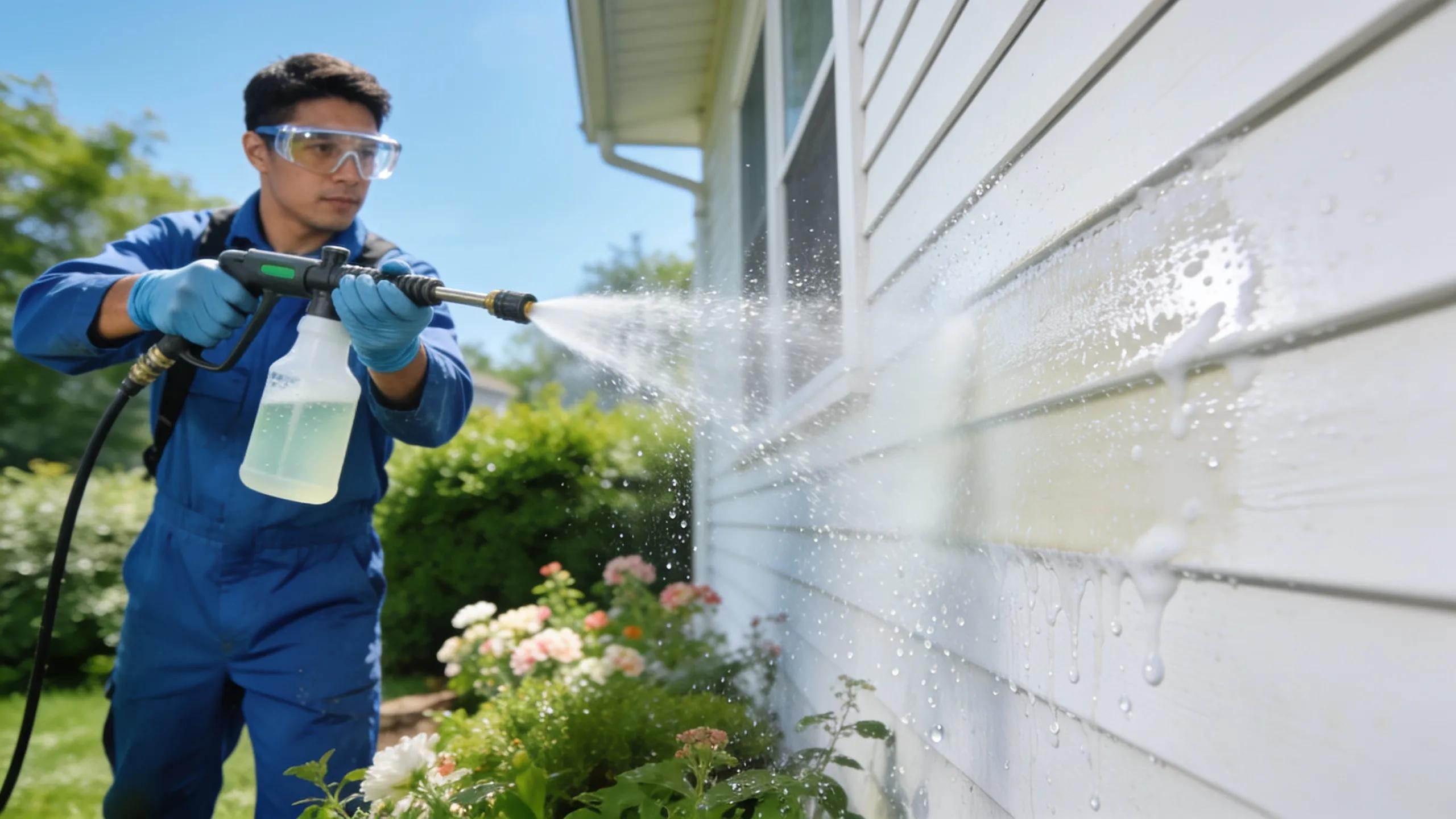
Eco-friendly soft washing protects the home while reducing environmental impact in the following ways:
- Biodegradable Solutions: The use of environmentally safe cleaning agents minimizes harm to local ecosystems.
- Water Efficiency: Soft washing typically uses less water than traditional pressure washing methods, promoting conservation.
Choosing eco-friendly options lets homeowners maintain their properties while minimising environmental effects.
What Are the Next Steps to Schedule Your Professional Soft Washing Consultation?
Scheduling a professional soft washing consultation is straightforward. Follow these steps:
- Contact Denver’s Soft Wash: Reach out via their website or phone to discuss your needs.
- Prepare for Consultation: Have information about your home’s exterior and any visible issues ready for discussion.
- Schedule an Appointment: Set a date for the soft washing service that works for you.
Following these steps ensures your home receives appropriate care.
How to Request a Free Consultation with Denver’s Soft Wash Experts
Requesting a free consultation is a simple process. Complete these actions:
- Visit the Website: Go to Denver’s Soft Wash to find the consultation request form.
- Provide Necessary Information: Fill out the form with your contact details and a brief description of your needs.
- Submit Your Request: Once submitted, a representative will reach out to discuss your consultation.
This process lets homeowners explore their options without obligation.
What to Expect During Your Professional Soft Washing Service
During a professional soft washing service, you can expect a systematic approach that includes:
- Inspection and Preparation: The team will inspect your home’s exterior and prepare the necessary equipment.
- Solution Application: Biodegradable cleaning agents will be applied to effectively remove contaminants.
- Final Inspection: After cleaning, the team will conduct a final inspection to ensure all areas are properly cleaned.
This staged process ensures careful, thorough care of your home.
Frequently Asked Questions
1. How does soft washing work?
Soft washing uses a low-pressure technique combined with specialized biodegradable cleaning agents to remove dirt, algae, mold, and other contaminants from surfaces. Unlike pressure washing, which can damage delicate materials, soft washing cleans effectively without risking harm. The cleaning agents target and kill organisms at the root, reducing rapid regrowth, while the low-pressure application protects roofs and siding.
2. Is soft washing safe for all types of surfaces?
Soft washing is suitable for a wide range of surfaces, including roofs, siding, decks, and driveways. The low-pressure method reduces the risk of damage, making it appropriate for delicate materials such as asphalt shingles and wood siding. It is advisable to consult professionals who can assess your specific materials and adjust the cleaning process for optimal results.
3. Can I perform soft washing myself, or should I hire a professional?
Although DIY soft washing is possible with proper equipment and knowledge, hiring a professional is often the safer and more effective option. Professionals select appropriate cleaning solutions, apply correct techniques to prevent damage, and manage the process safely. Their assessment of your home’s needs typically yields a more thorough result than a DIY approach.
4. How long does the soft washing process take?
Process time varies by property size and contamination levels. A typical soft washing service usually takes between one and three hours. Your service provider can offer a more precise estimate after reviewing the specific conditions of your home.
5. Are the cleaning agents used in soft washing harmful to pets and plants?
The cleaning agents commonly used in soft washing are biodegradable and formulated to be eco-friendly, so they pose minimal risk when applied correctly. As a precaution, keep pets indoors and cover vulnerable plants during the treatment. Ask your provider for details about the products they use if you have specific concerns.
6. How soon can I expect to see results after soft washing?
Many homeowners observe immediate visual improvement after soft washing. Longer-term results depend on environmental conditions and contamination levels; some cleaning agents continue to work over time to inhibit mold and algae regrowth, extending the period of cleanliness.
7. What precautions should I take after a soft washing service?
After soft washing, avoid touching or leaning on cleaned surfaces for a short period to allow the cleaning agents to complete their action. Monitor treated areas for any regrowth, especially during humid weather, and conduct regular inspections to maintain results until your next scheduled service.
Conclusion
Recognizing when your home needs professional soft washing can prevent costly repairs and enhance curb appeal. A clean exterior protects the property and supports healthier living by reducing mold and mildew. To preserve your investment and improve appearance, consider scheduling a consultation with a trusted soft washing professional. Explore how Denver’s Soft Wash can help restore your home’s beauty today.