Understanding Pressure Washing vs Soft Washing: Which Exterior Cleaning Method Is Right for Your Home?

Exterior surfaces collect dirt, algae, moss and other stains through seasonal weather and nearby vegetation. Picking the right cleaning method matters—not just for how your home looks today, but for how well it holds up over time. This guide explains what soft washing and pressure washing do, how each method works, and which surfaces respond best so you can choose with confidence. We’ll cover practical comparisons, safety tips, environmental and cost trade-offs, plus regional notes for Southeast Manitoba and Kenora—areas where roof algae and moss are common. You’ll get clear guidance for roofs, vinyl siding and concrete driveways so cleaning restores curb appeal without causing damage. Keywords like soft washing vs pressure washing, soft wash benefits, and pressure wash concrete driveway are included naturally to help you find the right information fast.
What Is Soft Washing and How Does It Benefit Your Home?
Soft washing is a low-pressure cleaning method that uses purpose-formulated, often biodegradable solutions to remove and kill biological growth, dirt and stains while protecting fragile materials. Instead of blasting surfaces with high PSI, soft washing relies on chemical action plus gentle rinsing to sanitize and break down organisms. For homeowners, that means deeper removal of algae, moss, mold and mildew—treated at the root—so results last longer and repeat visits are less frequent. Soft washing is ideal for roofs, painted trim, stucco and vinyl siding, where high-pressure cleaning can strip shingle granules, lift paint or etch surfaces. The sections below walk through how soft washing is done and the main benefits homeowners can expect: longevity, material preservation and reduced environmental impact.
How Does Soft Washing Work to Protect Delicate Surfaces?
Soft washing applies a measured cleaning solution that targets biological organisms, lets it dwell long enough to break down spores, then rinses gently. Technicians use mixes—often oxygen-based or surfactant-enhanced—that sink into colonies and loosen root structures without relying on high pressure. That chemical-first approach prevents mechanical damage such as shingle granule loss or siding etching because the water pressure stays low and the chemistry does the heavy lifting. In climates prone to roof algae and moss, killing the organisms and then rinsing reduces regrowth and helps avoid the accelerated wear abrasive cleaning can cause. That’s why soft washing is usually the safer, more effective choice for older or delicate exteriors.
What Are the Key Benefits of Soft Washing for Long-Lasting Clean?
Soft washing delivers several practical benefits that help protect your property over time. First, a real chemical kill of biological growth slows immediate regrowth, so surfaces typically stay cleaner for months longer than with a pressure-only rinse. Second, the low-pressure application preserves material integrity—protecting paint bonds, shingle granules and softer woods from abrasion and premature wear. Third, when biodegradable products and containment best practices are used, soft washing can be kinder to landscaping than repeated high-pressure jobs. Those advantages usually mean fewer cleanings over time and help avoid repair costs tied to pressure-related damage. We’ll compare these outcomes with pressure washing next so you can weigh the trade-offs.
What Is Pressure Washing and When Is It Most Effective?
Pressure washing uses high-pressure water—measured in PSI—to physically strip heavy soil, deep stains and surface deposits from hard, durable materials. It’s very effective on concrete, brick, stone and other non-delicate surfaces because the water force erodes and lifts embedded grime, oil and paint overspray quickly. Proper technique—correct PSI, nozzle choice and operator skill—is essential to get excellent results while avoiding damage. When used correctly, pressure washing is great for restoring driveways, patios and commercial concrete and for preparing surfaces before sealing or painting by removing contaminants that block adhesion. The subsections below explain the mechanics and give PSI guidance for common tasks.
How Does Pressure Washing Remove Tough Stains and Heavy Grime?
Pressure washing cleans by using kinetic force: high-velocity water breaks the bond between soil and the substrate, dislodging contaminants like oil, grease, rust and paint residue. Typical PSI ranges depend on the task—light siding rinses might use 800–1,200 PSI while concrete restoration often needs 2,500–4,000 PSI—combined with the right nozzle angle to focus or spread the force. For oil or chemical stains, detergents and pre-treatments help lift the material before rinsing. Operators should always test a small area first and follow safety precautions to avoid etching or surface fractures, especially on older local materials. Knowing when to pair chemistry with pressure clarifies why pressure washing is still essential for certain stain types.
Introductory table: common stain types and the recommended pressure approach.
| Stain Type | Pressure Washing Effectiveness | Typical PSI Range | Notes/Precautions |
|---|---|---|---|
| Oil and grease | High with detergents and hot water systems | 2,500–3,500 | Pretreating improves results; avoid splashing onto landscaping |
| Paint overspray | High on concrete/stone | 2,500–4,000 | Use controlled technique to avoid substrate damage |
| Rust stains | Moderate; may require chemicals | 1,500–3,000 | May need chelating agents; test first |
| Organic stains (dirt, mildew) | Moderate to high | 1,200–2,500 | Consider soft washing for recurring biological growth |
What Are the Advantages of Pressure Washing for Hard Surfaces?
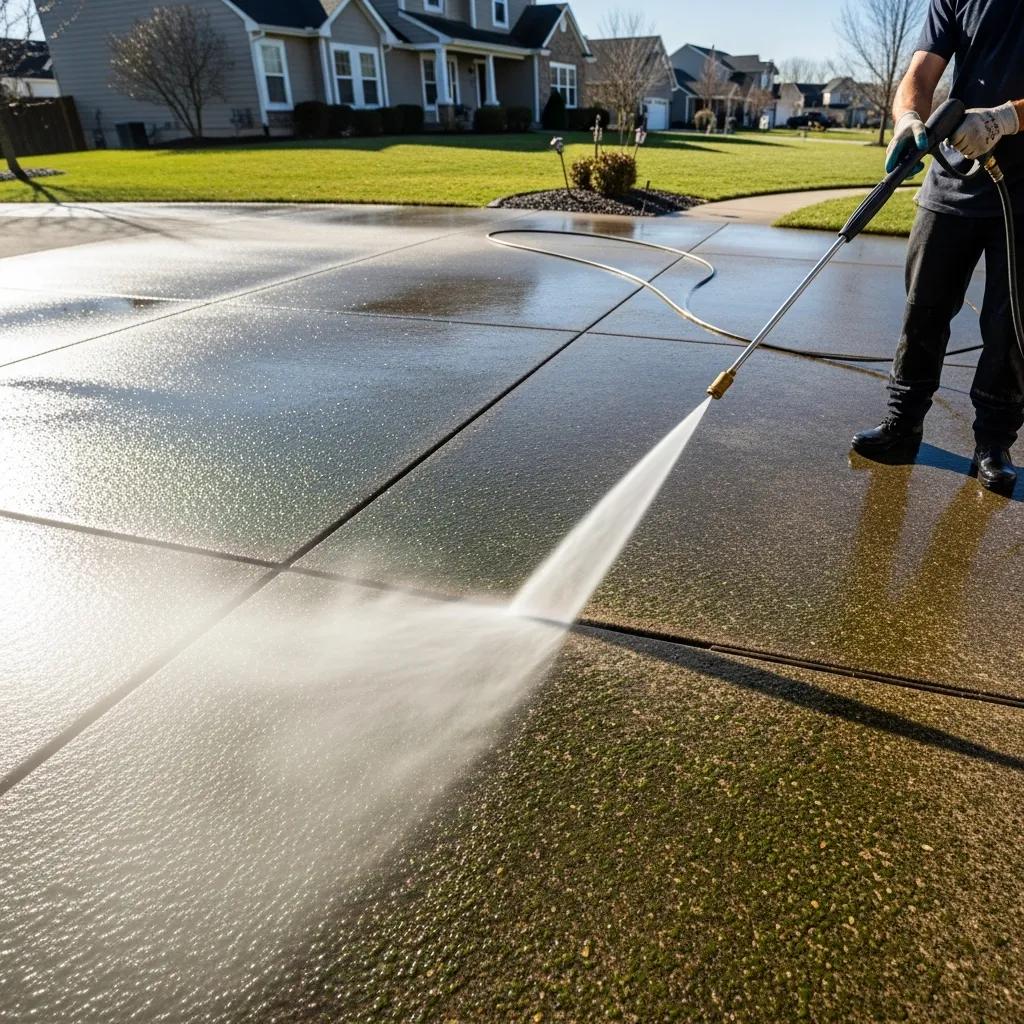
Pressure washing shines on durable surfaces where speed and deep physical removal matter. It quickly restores driveways, brick walkways and stone patios by removing tire marks, embedded grime and leftover coatings. For large impervious areas, pressure washing is often more efficient per square foot because machines cover ground fast and deliver instant visual results. It’s also the usual step before sealing or resurfacing because it strips contaminants that would block adhesion. Local examples—like driveway pressure washing in Steinbach—show how correct PSI and nozzle technique can dramatically improve curb appeal while keeping risk low when handled by trained pros.
How Do Soft Washing and Pressure Washing Compare: Which Method Is Right for Your Home?
The choice comes down to surface type, the nature of the soil and how long you want results to last. Soft washing wins for killing biological growth and preserving materials; pressure washing wins for mechanical removal on durable surfaces. Key decision factors include substrate sensitivity (shingles vs. concrete), presence of organic growth (algae, moss), desired longevity and environmental concerns like runoff control. Below is a quick decision matrix to help homeowners match surface and method at a glance.
| Surface Type | Recommended Method | Pressure Range / Technique | Risk Level | Typical Longevity of Results |
|---|---|---|---|---|
| Roof shingles | Soft washing | Low-pressure application with chemical dwell | Low | 6–18 months (region-dependent) |
| Vinyl siding | Soft washing | Low-pressure rinse after chemical treatment | Low | 6–12 months |
| Painted wood trim | Soft washing | Gentle application, avoid high PSI | Low | 6–12 months |
| Concrete driveway | Pressure washing | 2,500–4,000 PSI, narrow-angle nozzle | Moderate | Immediate restoration; may need repeat cleaning for biological regrowth |
| Brick or stone | Pressure washing (selective) | 1,200–2,500 PSI, test patch first | Moderate | Immediate; longevity depends on porosity and sealing |
This matrix shows which approach reduces risk while delivering the longevity you want. For most roofs and delicate siding, soft washing offers safer long-term protection; for heavy-stained masonry and driveways, pressure washing is usually the better choice. Read on for practical scenarios to help you pick the right method.
Practical scenarios to decide method:
- Pick soft washing when you need to kill moss, algae or mildew on roofs, painted surfaces or vinyl without risking material loss.
- Pick pressure washing when removing oil stains, paint overspray or heavy grime from concrete and durable masonry.
- Combine methods for mixed-material properties—soft wash fragile areas first, then pressure wash hardscapes.
Denver’s Window Cleaning & SoftWash uses this decision framework on every estimate: we inspect surface type and soil, then recommend the least invasive effective option. As a SoftWash Systems Authorized Professional—the only accredited company in Manitoba and one of four in Canada—Denver’s follows certified soft wash protocols or pressure strategies based on surface testing and local climate patterns across Southeast Manitoba, Kenora, Steinbach, Winnipeg and the Whiteshell. A trained evaluation is the best way to avoid surprises and protect your home.
How Does Soft Washing Benefit Roof Cleaning and Siding Maintenance?
Soft washing addresses the biological cause of staining and wear while protecting the structure and finish of roof and siding materials. Killing algae and moss reduces the abrasive regrowth cycle that can lift shingles and degrade paint; a gentle rinse afterward sanitizes surfaces without stripping protective layers. For siding, soft washing removes embedded spores and organic film that fade finishes and hurt paint adhesion—treating the organism rather than just rinsing the surface helps coatings last longer and cuts down on repainting. In our region, cool moist seasons in Southeast Manitoba and the Whiteshell mean seasonal algae growth is common, so soft washing fits well into preventive maintenance plans that protect curb appeal over time.
Why Is Soft Washing Ideal for Roof Algae and Moss Removal?
Soft washing targets the biological root of roof algae and moss with chemical treatments that penetrate colonies and break down root structures holding organisms to shingles and tiles. That chemical-first method avoids scraping or high-pressure rinses that can strip granules from shingles or open pathways for water. After dwell time and a controlled rinse, the organisms die and slowly wash away while inhibitors reduce rapid regrowth—often extending clean periods by many months. In wet, wooded or shaded areas around Winnipeg and nearby communities, that preventive effect helps preserve shingles and reduces the risk of premature replacement caused by mechanical damage.
How Does Soft Washing Protect Vinyl and Painted Siding?
Soft washing dissolves the biological stains that discolor vinyl and painted siding without forcing water into seams or behind lap boards, a common problem with high-pressure sprays. Keeping pressure low prevents paint lift and lowers the chance of water intrusion that can trigger rot or freeze-thaw issues. By removing the organism causing the discoloration and avoiding abrasive techniques, soft washing helps maintain paint films and the dimensional stability of vinyl—extending the interval between maintenance cycles. Homeowners who want sustained exterior appearance find soft washing preserves both looks and substrate health better than repeated pressure rinses.
What Are the Environmental and Cost Benefits of Soft Washing vs Pressure Washing?
Soft washing often brings environmental and long-term cost advantages: it typically uses less water, allows targeted chemical application and reduces the need for repeat cleanings caused by incomplete biological removal. When biodegradable solutions and containment practices are used, soft washing limits harmful runoff and protects plants and storm drains. From a cost perspective, soft washing’s longer-lasting results lower cleaning frequency and can prevent pressure-related repairs—so lifetime maintenance costs can be lower even if the upfront price is similar. Below we compare water and chemical use, upfront costs and maintenance savings so you can evaluate full lifecycle value.
Introductory EAV table comparing methods on environmental and cost metrics.
| Method | Water Usage | Chemical Use (biodegradability) | Upfront Cost | Long-term Maintenance Savings |
|---|---|---|---|---|
| Soft washing | Lower overall; targeted application | Often biodegradable, targeted dosing | Moderate | Higher due to longer intervals and avoided repairs |
| Pressure washing | Higher volume for large areas | Minimal chemicals for many tasks | Lower to Moderate | Lower if repeat cleaning required for biological regrowth |
| Combined approach | Variable | Targeted chemical + spot pressure | Variable | Balanced savings by optimizing each surface |
How Is Soft Washing More Environmentally Friendly?
Soft washing lowers environmental impact by using concentrated, targeted dosing, reducing total water used and employing containment practices that prevent uncontrolled runoff into landscaping and storm systems. Biodegradable formulations break down quickly and, with responsible dilution and collection, minimize ecological impact compared with high-volume rinsing. Targeting only affected zones avoids unnecessary water use on dry surfaces and prevents overapplication. In sensitive areas like the Whiteshell, these product and containment choices help protect soil and waterways while still delivering effective cleaning.
Is Soft Washing More Cost-Effective in the Long Run?
Soft washing often proves more cost-effective over time because killing the biological cause extends the interval between treatments and avoids pressure-related damage that leads to repairs or early replacement. While initial soft wash quotes can be similar to pressure washing for the same square footage, the longer-lasting results mean fewer return visits and lower cumulative maintenance costs. Avoiding repair work—like shingle replacement or repainting caused by pressure damage—represents a meaningful long-term saving that offsets modest upfront differences. For an accurate local estimate and to determine best value for your property, request a no-obligation consultation with a qualified provider.
Denver’s Window Cleaning & SoftWash emphasizes biodegradable solutions and containment practices and offers free, no-obligation consultations to help homeowners understand long-term savings from soft washing. Serving Southeast Manitoba, Kenora, Steinbach, Winnipeg and the Whiteshell, our recommendations are tailored to local growth patterns and material types. Homeowners who prioritize environmental care and lower lifetime maintenance costs often choose soft washing for those reasons.
What Are the Risks of Improper Pressure Washing and How Does Soft Washing Mitigate Them?
Improper pressure washing can cause real damage: shingle granule loss increases UV exposure, high PSI can etch softer masonry or wood grain, and paint can be stripped or seals compromised, accelerating deterioration and inviting water intrusion. These risks rise when untrained operators use excessive pressure, the wrong nozzles or incorrect angles—machines set for concrete can easily damage siding or roofing. Soft washing mitigates those risks by using low pressure and targeted chemistry to remove biological growth without mechanical force, preserving surfaces and lowering the chance of repair bills. The sections below list common pressure-related damages and explain how soft washing provides a safer alternative.
What Damage Can High-Pressure Washing Cause to Exterior Surfaces?
High-pressure washing can strip protective layers and change substrate textures in ways that shorten material life: shingle granule loss exposes asphalt to UV, pressure can lift paint or cause peeling, and wood fibers or softer bricks can be etched or gouged. Those changes increase porosity and allow water penetration that leads to rot, freeze-thaw damage or accelerated staining. Even small mistakes—like holding a narrow-angle nozzle too close—can concentrate force and cause lasting harm. Knowing these failure modes highlights why careful method selection and trained operators matter for sensitive tasks.
How Does Soft Washing Provide a Safer Cleaning Alternative?
Soft washing offers a safer alternative by prioritizing chemical effectiveness and low-pressure application, preserving coatings and substrates while eliminating the organisms that cause damage. The soft wash approach reduces mechanical stress on materials, protecting paint, shingle granules and seals and preventing the water intrusion issues tied to high-pressure blasts. Proper soft washing still requires professional training to mix concentrations, manage dwell times and protect landscaping, but when done right it delivers deep cleaning without the collateral damage often seen with improper pressure washing. A professional assessment balances safety and effectiveness to protect both appearance and long-term value.
Denver’s Window Cleaning & SoftWash can inspect your surfaces and recommend the optimal approach; we offer free, no-obligation consultations and tailor solutions to property types and regional conditions in Steinbach, Winnipeg and the Whiteshell. Book an inspection to find out whether soft washing or pressure washing will give you the best balance of safety, longevity and cost-effectiveness.
- Soft washing preserves delicate materials and reduces repeat treatments.
- Pressure washing removes heavy stains on durable surfaces but carries risk on fragile materials.
- Professional evaluation ensures the right method and protects your investment.
These straightforward recommendations help homeowners choose the safest, most effective cleaning strategy for their surfaces and local conditions.
Frequently Asked Questions
What surfaces should never be pressure washed?
Avoid pressure washing delicate surfaces like roofs with asphalt shingles, painted wood or vinyl siding. High-pressure water can strip protective coatings, lift paint or cause shingle granule loss, all of which lead to premature deterioration. Softer materials such as stucco or certain brick types can also be damaged. Always assess the material and its condition before choosing pressure washing to prevent costly repairs.
Can I use pressure washing for cleaning my deck?
Pressure washing can work for wooden decks, but use caution. Too high a PSI can damage wood fibers, causing splinters or etching. Use a lower pressure setting with a wide-angle nozzle and consider a wood cleaner or brightener before washing to improve results and protect the wood. Always test a small area first to check the outcome.
How often should I soft wash my home?
Frequency depends on climate, nearby trees and surface materials. Generally, soft washing every 6 to 18 months for roofs and siding is common in areas prone to algae and moss. Regular inspections help you schedule cleaning when discoloration or biological growth appears, keeping materials in better shape long term.
Is it safe to soft wash around plants and landscaping?
Yes—when done correctly. Using biodegradable solutions and containment practices minimizes risk to plants. Professionals typically wet down plants first and rinse them afterward to dilute any residue. Proper precautions ensure the cleaning process won’t harm your garden or lawn.
What should I do if my home has mold or mildew?
If you see mold or mildew, soft washing is an effective solution because it targets the organisms at their source and prevents regrowth. Addressing mold promptly is important for health and for preventing material damage. For sensitive areas like roofs and siding, hire a professional who specializes in soft washing to ensure safe, thorough removal.
Can I combine soft washing and pressure washing?
Yes. Combining methods works well for properties with mixed materials: soft wash delicate areas like roofs and painted surfaces first, then pressure wash durable surfaces such as concrete driveways or brick patios. This approach gives you the best cleaning results while minimizing risk. Consult a professional to decide the right combination for your property.
What are the signs that I need to clean my home’s exterior?
Look for visible discoloration, streaks or stains—especially from algae, mold or mildew. A buildup of dirt, grime or organic growth, or a general dull look that hurts curb appeal, are good reasons to schedule cleaning. Regular checks let you catch issues early and keep your exterior well maintained.
Conclusion
Choosing the right exterior cleaning method protects both appearance and long-term value. Soft washing is the safer, longer-lasting choice for delicate surfaces and biological growth; pressure washing is the go-to for heavy stains on durable materials. Understanding the strengths and risks of each helps you make an informed decision. For personalized advice tailored to your home, schedule a consultation with a professional today.