Soft Wash vs Pressure Wash in Winnipeg: How to Choose the Right Clean for Your Home
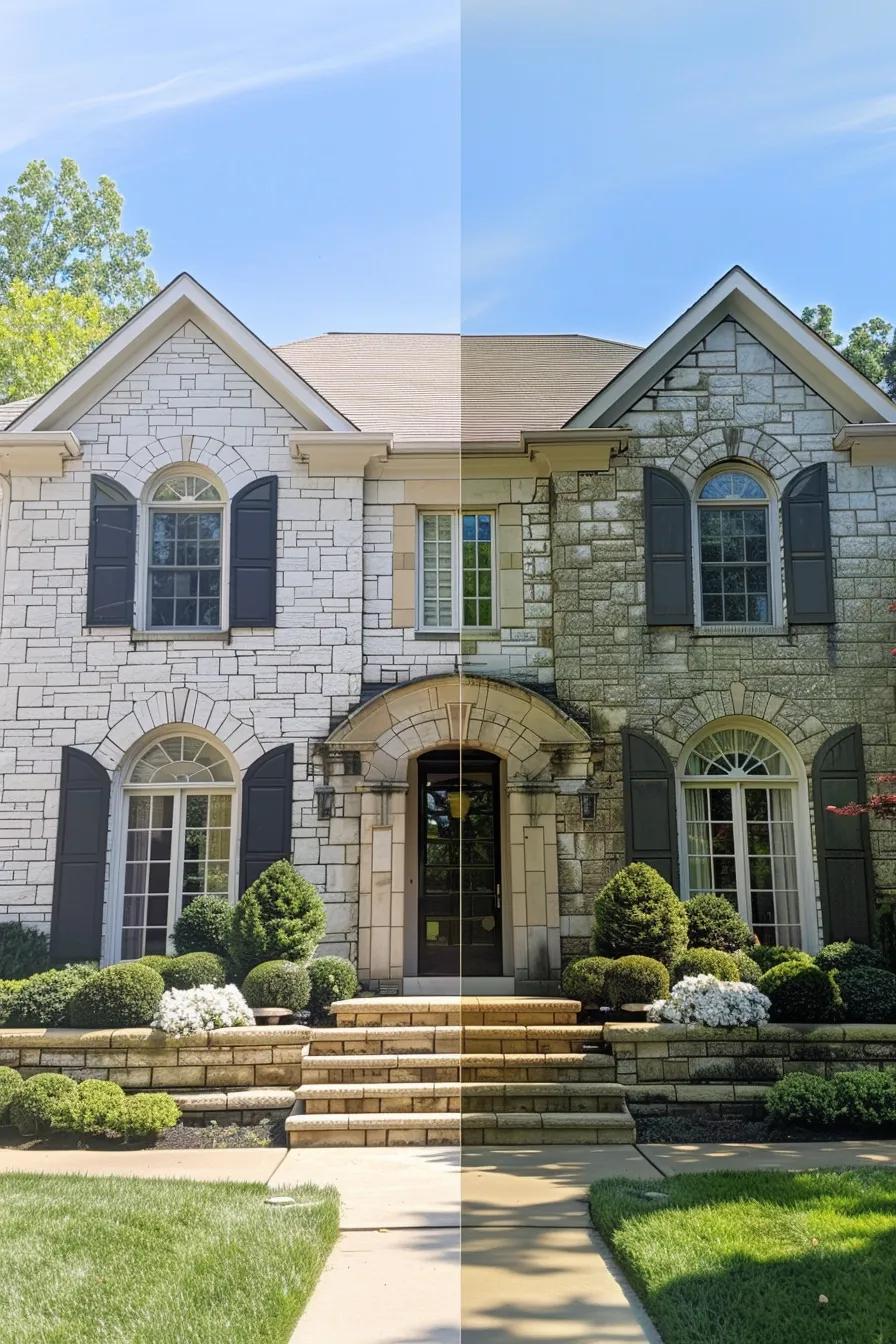
Keeping your home’s exterior looking great also protects its structure—and in Winnipeg that starts with picking the right cleaning method. Many homeowners ask whether soft washing or pressure washing is the better choice. This guide explains what each method does, where it works best, the risks to watch for, and how to decide for your property. We’ll also explain why Denver’s Window Cleaning & SoftWash is a local team homeowners rely on for safe, effective exterior care.
What Is Soft Washing and How Does It Benefit Winnipeg Homes?
Soft washing uses low-pressure water combined with biodegradable cleaners to remove dirt and organic growth without harming surfaces. It’s a go-to for fragile materials—like roof shingles and painted siding—where high pressure can strip finishes or push water beneath building materials. The cleaning solutions used in soft washing also kill mold, mildew, and algae, so results last longer than a simple rinse.
What Defines Soft Washing as a Gentle Exterior Cleaning Method?
Soft washing operates at low pressure—typically under 1,000 PSI—so it lifts contaminants without blasting away surface material. The process relies on biodegradable detergents that break down organic stains while reducing risk to plants and landscaping. Because it combines chemistry with gentle water flow, soft washing is the safer choice for asphalt shingles, wood siding, vinyl, and painted finishes—materials many Winnipeg homeowners want to protect.
What Are the Main Benefits of Soft Washing for Residential Properties?
- Long-lasting results: The cleaners used in soft washing kill mold and mildew at the root, slowing regrowth and keeping surfaces cleaner for longer.
- Eco-friendly: Biodegradable solutions reduce risk to plants, pets, and local waterways compared with harsher chemicals.
- Protects surfaces: Low pressure preserves shingles, paint, and wood—cutting the chance of damage after cleaning.
What Is Pressure Washing and When Should It Be Used in Winnipeg?
Pressure washing uses high-pressure water—typically between 1,500 and 4,000 PSI—to physically blast away heavy dirt, oil, and stains. It’s very effective on hard, durable surfaces like concrete, brick, and stone where buildup is stubborn. Because of its force, pressure washing must be used carefully to avoid damage on softer materials.
How Does Pressure Washing Work and What Surfaces Does It Suit?
Pressure washing channels water through a narrow nozzle at high pressure, stripping embedded grime from the surface. It’s ideal for driveways, sidewalks, patios, and masonry that can withstand the force. For areas stained by oil or grease, pressure washing usually delivers the fastest visible improvement.
What Are the Risks and Limitations of Pressure Washing on Home Exteriors?

- Surface damage: High pressure can gouge wood, strip paint, or harm roofing materials if used incorrectly.
- Water intrusion: Too much force or the wrong angle can drive water under siding or into wall assemblies, increasing the risk of rot and mold.
- Limited on organic growth: Pressure may remove surface algae or moss but won’t kill the underlying root structures, so the problem can return quickly.
How Do Soft Washing and Pressure Washing Compare for Exterior House Cleaning?
Choosing between the two comes down to how each method cleans, the surfaces involved, and environmental impact.
| Method | Typical PSI | Cleaning Agent Used | Best For | Main Risks | How Long It Lasts |
|---|---|---|---|---|---|
| Soft Washing | < 1,000 | Biodegradable Detergents | Roofs, Siding, Painted Surfaces | Minimal damage risk | Long-lasting results |
| Pressure Washing | 1,500–4,000 | Water Only | Concrete, Brick, Stone | Potential surface damage | Short-term results |
What Are the Key Differences in Cleaning Methods, PSI, and Chemicals?
Soft washing pairs low pressure with cleaning agents that kill organic stains at the root, helping preserve delicate materials. Pressure washing depends on high-pressure water to physically remove grime and is best for hard, durable surfaces. Knowing these technical differences helps you choose the right approach for each part of your home.
Industry guidance also highlights medium-pressure systems and the benefits of combining mechanical action with chemical cleaning where appropriate.
High vs. Medium Pressure Cleaning: Safety & Chemical Integration
In Chapter 2, the basic theory of high pressure cleaning is described as using hydrodynamic power—kinetic energy—to remove difficult surface deposits. Many cleaning tasks can be handled successfully with medium pressures, offering lower equipment costs, fewer safety hazards, and more flexibility. Medium pressure systems differ from high pressure by allowing impact cleaning combined with chemical solutions and with hot or cold water within the limits outlined in the chapter.
Medium pressure cleaning systems, 2001
Which Method Offers Longer-Lasting Results and Environmental Benefits?
Soft washing usually delivers longer-lasting cleanliness because the biodegradable detergents kill mold and algae rather than just washing them away. That makes soft washing the greener option for homeowners who want results that hold up. Pressure washing can give a fast, dramatic clean on hard surfaces, but organic growth often returns sooner without a chemical treatment.
How to Choose Between Soft Wash and Pressure Wash for Your Winnipeg Home?
Match the method to the surface, the type of stain, and your environmental priorities. When uncertain, a professional inspection will point you to the safest, most effective option for your property.
What Factors Should Influence Your Cleaning Method Decision?
- Surface type: Use soft washing for roofs and painted or delicate siding; choose pressure washing for concrete, brick, and stone.
- Type of dirt: Soft washing targets organic growth like mold and algae; pressure washing is better for oil, paint overspray, and heavy grit.
- Environmental impact: If you prioritize eco-safety, soft washing’s biodegradable cleaners are the better choice.
Why Is Professional Expertise Important in Selecting the Right Cleaning Service?
Technique matters. The right pressure, correct cleaning solution, and proper application keep your home safe and deliver the best results. Professionals—like the team at Denver’s Window Cleaning & SoftWash—assess materials, recommend the appropriate method, and apply treatments safely to avoid damage and repeat work.
What Makes Denver’s Window Cleaning & SoftWash the Trusted Choice in Winnipeg?
Denver’s is a family-owned company that began in 2006 and added soft washing in 2019. As a SoftWash Systems Authorized Professional, we follow industry best practices for safe, effective, and environmentally conscious cleaning. That training plus years of local experience is why many Winnipeg homeowners trust Denver’s for exterior care.
How Does Being a SoftWash Systems Authorized Professional Benefit Customers?
That authorization means Denver’s follows proven methods, uses approved products, and meets safety standards for soft washing. Customers get reliable, high-quality service that protects their home and surrounding landscape.
What Eco-Friendly Practices and Tailored Solutions Does Denver’s Offer?
Denver’s prioritizes biodegradable detergents and selects solutions based on each job—matching product strength and application method to the surface. This tailored approach delivers effective cleaning while minimizing environmental impact.
What Are Common Questions About Soft Wash and Pressure Wash in Winnipeg?
Homeowners often ask about chemical safety, cleaning frequency, and which method suits different surfaces. Below are clear, practical answers to the most common concerns.
What Chemicals Are Used in Soft Washing and Are They Safe?

Soft washing uses biodegradable detergents formulated to break down mold, mildew, and algae while being gentler on plants and soil than older, harsher chemicals. When applied by trained technicians and rinsed correctly, these solutions are safe for landscaping and households.
How Often Should Exterior House Cleaning Be Performed in Winnipeg?
Frequency depends on local conditions and surface type. As a general rule, soft washing every 1–3 years keeps roofs and siding healthy; pressure washing is done as needed for hard surfaces or high-traffic areas. Regular inspections help you set a schedule that prevents buildup and extends material life.
Frequently Asked Questions
What surfaces are best suited for soft washing?
Soft washing is ideal for delicate surfaces that can be damaged by high pressure, such as roof shingles, painted siding, and wood. This method targets organic growth like mold and mildew, making it especially useful for stain-prone areas. Using biodegradable detergents helps clean these surfaces without risking their integrity, extending their lifespan and appearance.
Can pressure washing be used on all types of surfaces?
No—pressure washing isn’t right for every surface. It works best on hard, durable materials like concrete, brick, and stone, where it removes stubborn dirt and stains effectively. Using high pressure on soft materials such as wood or vinyl can cause damage like gouging or stripped paint. Always assess the surface before choosing pressure washing.
How do weather conditions affect the choice between soft washing and pressure washing?
Weather plays a role. Soft washing works well in cooler, damp conditions because the chemicals do the cleaning and aren’t as affected by temperature. Pressure washing is best in dry weather so surfaces can dry quickly afterward. Check the forecast to ensure the best results and safety.
What should I do to prepare my home for soft washing or pressure washing?
Preparation makes the job smoother. Clear patios and move fragile plants or outdoor décor out of the work area. Close windows and doors to prevent water intrusion, and let your neighbors know if spray might reach nearby properties. Your technician will confirm any other prep steps before starting.
Are there any health concerns associated with soft washing or pressure washing?
Both methods are safe when handled by trained professionals. Soft washing uses biodegradable cleaners that are safe when applied properly, though people with chemical sensitivities should avoid direct contact during application. Pressure washing can stir up dust and airborne spores—those with respiratory issues should stay indoors while the work is underway.
How can I maintain my home’s exterior after cleaning?
Routine checks and small upkeep tasks go a long way. For soft-washed areas, consider periodic inspections and, where suitable, protective sealants. Keep gutters clear and maintain proper drainage to reduce staining and water damage. Addressing minor issues early prevents larger, costlier problems down the road.
What surfaces are best suited for soft washing?
Soft washing works best on delicate or water-sensitive surfaces—roof shingles, painted or wood siding, and other areas where high pressure could cause harm. Because it targets the organisms that cause staining, it’s especially useful for spots prone to mold and mildew.
Can pressure washing be used on all types of surfaces?
No. Pressure washing is ideal for sturdy surfaces like concrete, brick, and stone, but it can damage softer materials such as wood, vinyl, and painted finishes. Always match the pressure level and nozzle to the surface to avoid unnecessary damage.
How do weather conditions affect the choice between soft washing and pressure washing?
Weather matters. Soft washing performs well in cooler, damp conditions because the chemicals do the work and aren’t hindered by lower temperatures. Pressure washing is best in dry conditions so surfaces can dry quickly after treatment. Check the forecast before scheduling any exterior cleaning.
What should I do to prepare my home for soft washing or pressure washing?
Before the crew arrives, clear patios and move fragile plants or outdoor décor out of the work area. Close windows and doors, and let your neighbors know if spray might reach nearby properties. Your technician will confirm any final prep steps before starting.
Are there any health concerns associated with soft washing or pressure washing?
Both methods are generally safe when performed by trained professionals. Soft washing uses biodegradable cleaners that are safe when handled properly, but those with chemical sensitivities should avoid contact during application. Pressure washing can stir up dust and spores—people with respiratory issues should stay indoors while work is underway.
How can I maintain my home’s exterior after cleaning?
Routine checks and minor upkeep go a long way. For soft-washed areas, schedule periodic inspections and consider protective sealants where appropriate. Keep gutters clear and ensure proper drainage to reduce staining and water damage. Addressing small issues early prevents larger, costlier problems later.
Conclusion
Soft washing and pressure washing each serve distinct roles: soft washing protects delicate surfaces and prevents organic regrowth, while pressure washing restores heavily soiled hard surfaces. Understanding those differences helps you choose the right service for every part of your home. If you’d like expert advice or a local quote, reach out to Denver’s Window Cleaning & SoftWash—we’ll recommend the safest, most effective option for your property.
Conclusion
Choosing between soft washing and pressure washing matters for your home’s appearance and longevity. Soft washing protects delicate materials and prevents regrowth, while pressure washing excels at deep-cleaning durable surfaces. Armed with this knowledge, you can make informed choices for your property. For personalized guidance and a local quote, contact Denver’s Window Cleaning & SoftWash today.