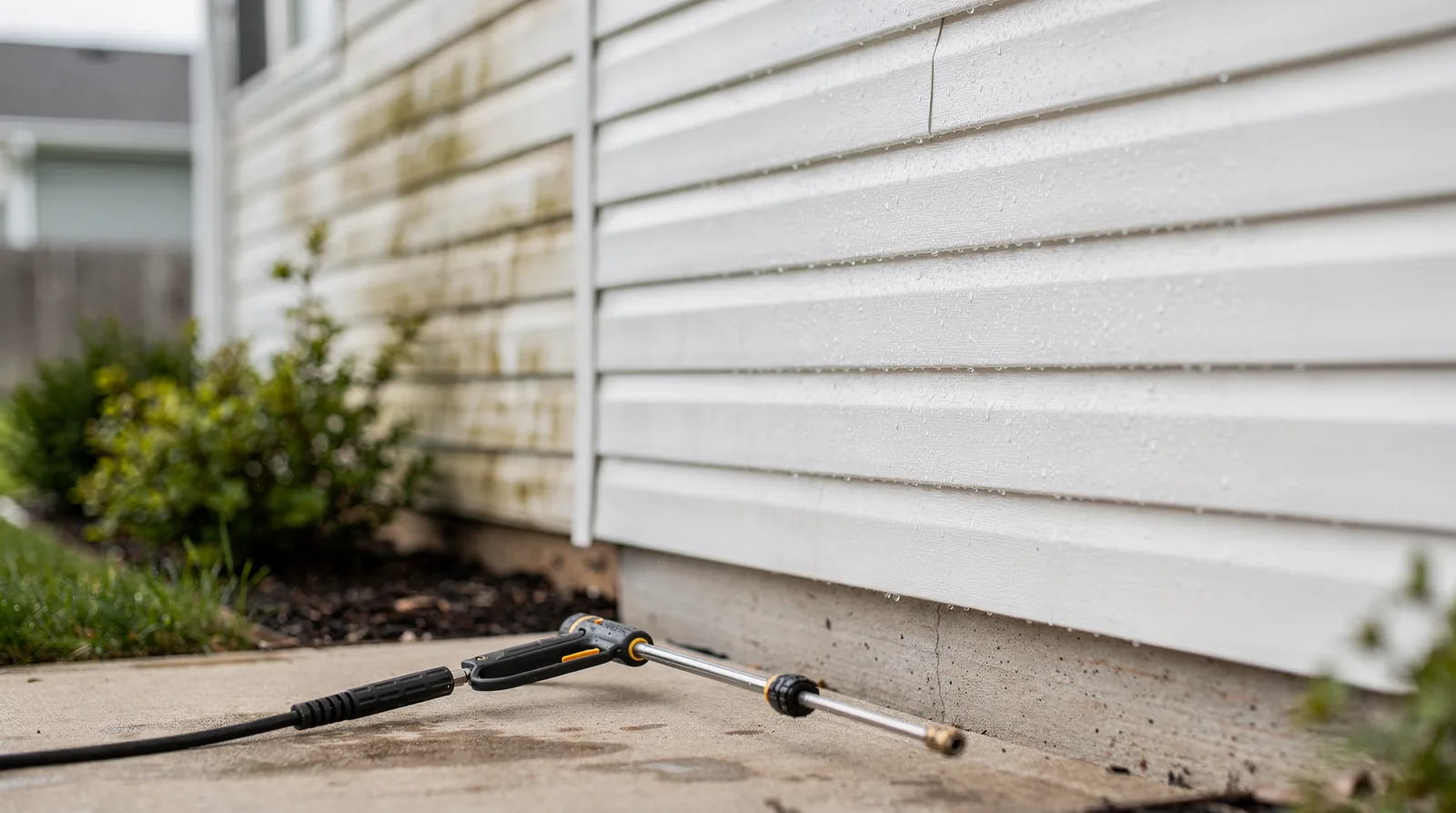
Soft washing eliminates mold and mildew by applying a low-pressure, eco-friendly cleaning solution that penetrates surfaces and kills organisms at the root. Unlike high-pressure washing, this gentle method protects delicate siding and roofing while preventing regrowth. Denver’s Window Cleaning & SoftWash has provided this safe exterior treatment for years.
Can Soft Washing Help Prevent Mold or Mildew Growth on My Property?
Soft washing prevents mold and mildew growth by killing organisms at their roots. A surface-level rinse cannot match this deep, biocidal action. Property owners who rely on pressure washing alone often see stains return within 60 to 90 days. Soft washing destroys the colony, not just blasting away what is visible.
How Does Soft Washing Kill Mold Differently Than Pressure Washing?
Pressure washing strips surface stains but leaves the root structure intact inside porous materials like siding and stucco. Soft washing applies a low-pressure stream of water mixed with biocidal cleaning solutions. These solutions penetrate deep into the surface, breaking down and eliminating the organism completely. The result is a sanitized exterior that resists immediate regrowth.
What Contaminants Does Soft Washing Eliminate?
Denver’s Window Cleaning & SoftWash treats a range of harmful contaminants that compromise a building’s exterior. The company’s process targets mildew, mold, bacteria, and algae. Removing these biological threats protects the long-term condition of a home or commercial property. A clean surface also reduces potential health risks associated with persistent mold spores.
The company stands as the only SoftWash Systems Authorized Professional accredited company in Manitoba. This certification confirms a strict adherence to proven, safe application methods. Certified technicians assess each surface to select the correct concentration and dwell time. The approach ensures delicate materials like roofing and painted siding suffer no high-pressure damage.
Property managers gain a lasting solution by choosing a method that prioritizes sterilization over brute force. The benefits of soft washing include preserving structural materials while preventing the rapid return of unsightly and damaging fungus. A single treatment delivers months of protection that standard washing simply cannot provide.
What Makes Soft Washing Different from Pressure Washing?
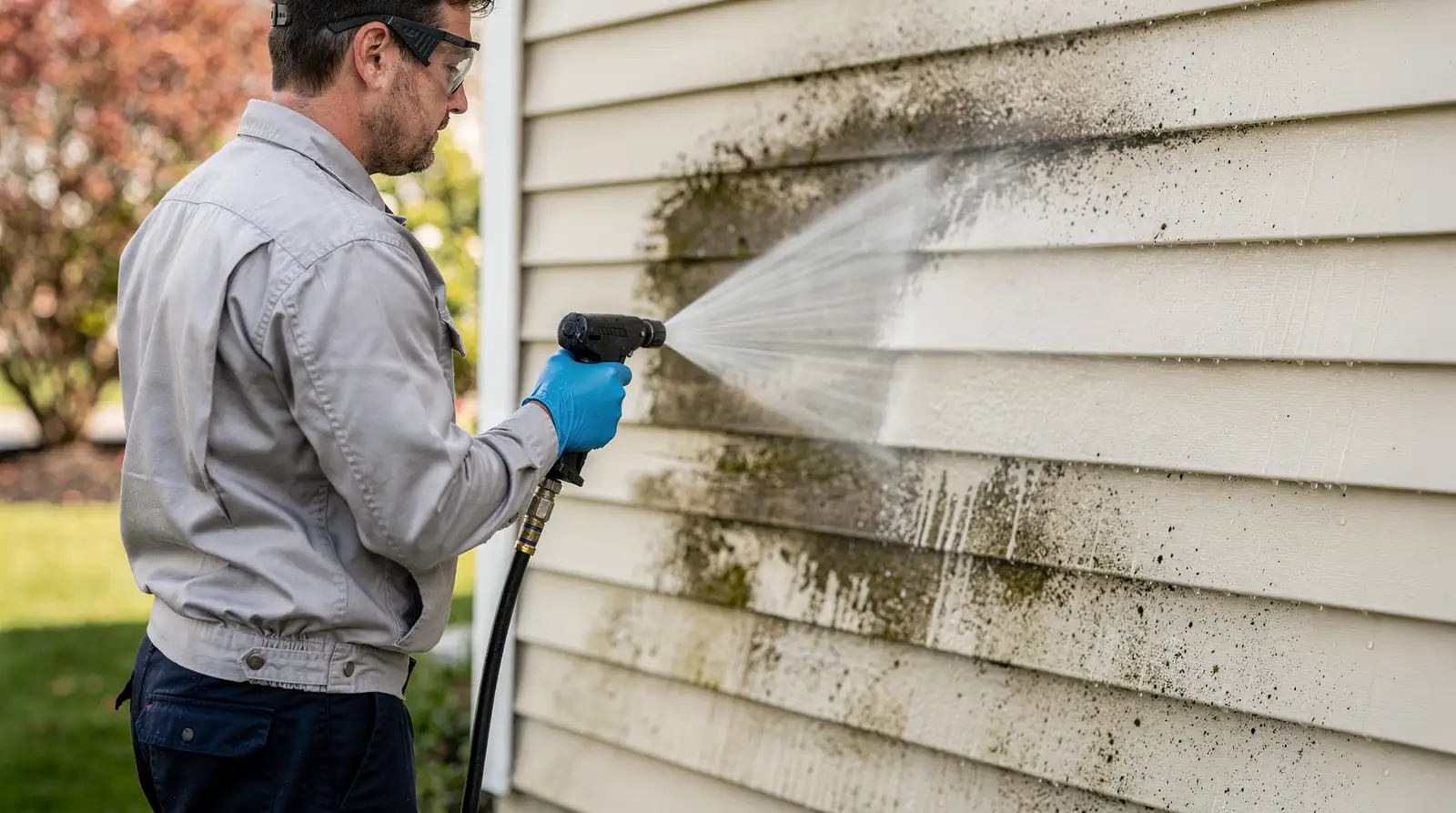
Soft washing and pressure washing serve distinct purposes. Soft washing kills organic growth at its roots using low-pressure chemical application. Pressure washing blasts away surface debris with high water force.
The pressure differential between these methods is dramatic. Soft washing operates at a gentle 40 to 500 PSI, according to View Crew Services. Standard pressure washing equipment generates high water force that strips paint, gouges wood, and forces water behind siding. Soft washing avoids all of these risks. The method was developed as an environmentally responsible cleaning alternative to general pressure washing, as noted by Kevco Building Services.
Denver’s Window Cleaning & SoftWash offers both standard pressure washing and soft washing services. The company assesses each property to select the ideal method. This dual-expertise approach ensures no surface receives treatment it cannot handle.
How does soft washing clean without high pressure?
The cleaning power comes from biodegradable chemicals, not brute force. The soft washing system uses specialized solutions and low pressure to sanitize exterior surfaces. These solutions eliminate dirt, algae, mold, and mildew at the cellular level. The organisms die and decompose over days, leaving surfaces clean for far longer than pressure washing achieves.
Which surfaces require soft washing instead of pressure washing?
Roof shingles, painted wood, stucco, and vinyl siding all demand soft washing. High pressure damages these materials immediately. A detailed comparison of these methods appears in the guide on soft washing vs. pressure washing. Property owners who skip this distinction often face expensive repairs. Soft washing preserves warranties and extends material lifespan.
Why Does Mold and Mildew Keep Returning on My Siding?
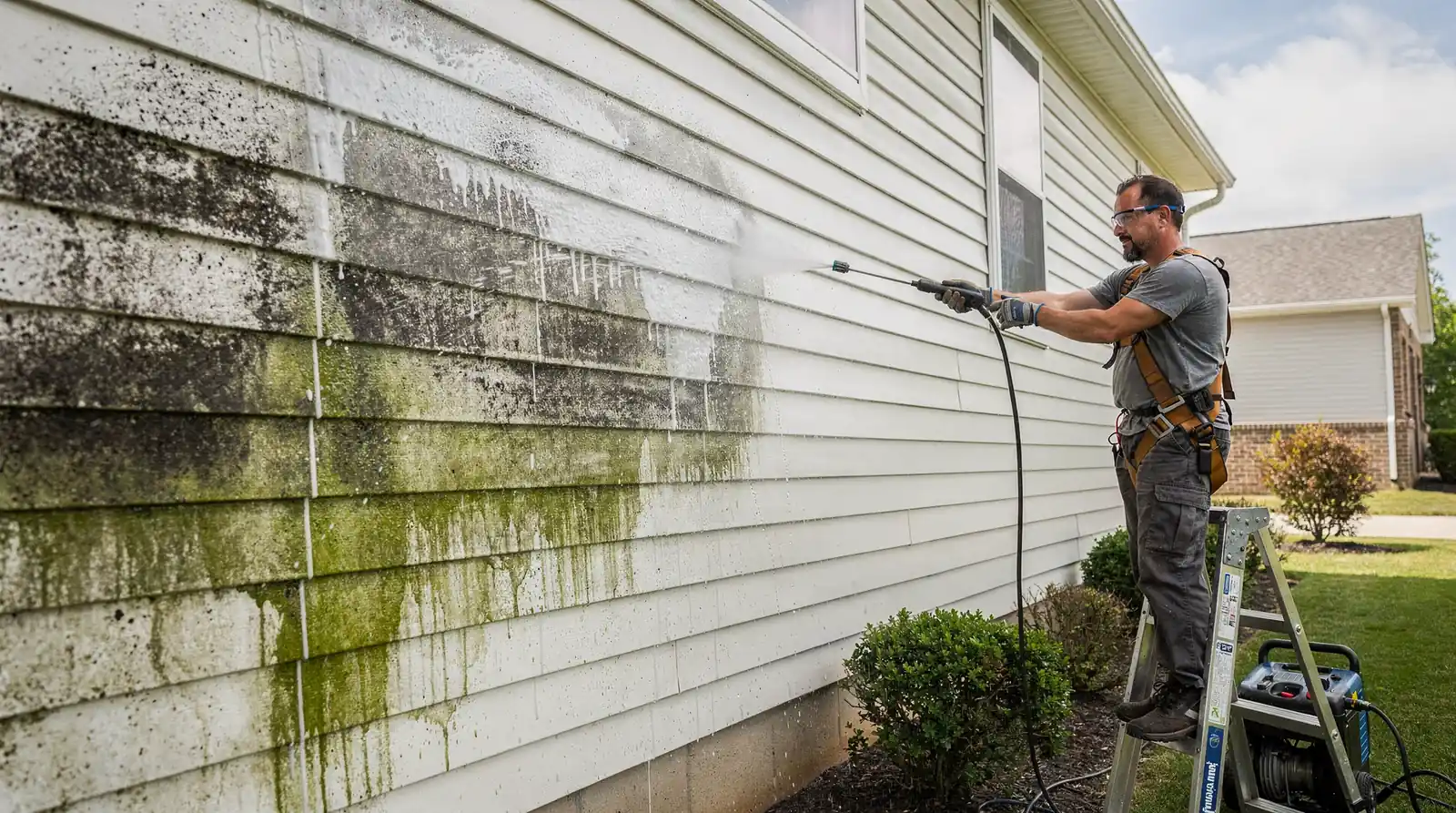
Mold and mildew return because surface-level cleaning never addresses the root cause. Pressure washing blasts away visible stains but leaves living organisms embedded deep within porous siding materials. The fungus behaves more like an infection than a stain, according to industry experts. Roots remain intact beneath the surface, ready to regenerate. Regrowth typically appears within 60 to 90 days after conventional pressure washing.
What Makes Mold Growth Different From Surface Dirt?
Fungus penetrates siding materials at a microscopic level. Standard pressure washing only cleans surface stains. The organisms survive below the surface and quickly re-establish colonies. Soft washing combines the technology of treating fungus on plants with compatible cleaning chemicals. This approach targets the biological infection rather than just the cosmetic problem.
How Does Soft Washing Stop Regrowth?
Soft washing uses chemical solutions such as sodium hypochlorite to break down and eliminate biological growth deep within porous surfaces. The low-pressure application allows cleaning agents to soak into cracks, crevices, and material pores where roots hide. Denver’s Window Cleaning & SoftWash sanitizes exterior surfaces during the cleaning process. The treatment kills organisms at their roots instead of merely stripping away surface discoloration.
| Cleaning Method | Penetration Depth | Regrowth Timeline |
|---|---|---|
| Pressure Washing | Surface only | 60–90 days |
| Soft Washing | Deep into pores | Significantly extended |
Property owners seeking lasting protection benefit from understanding soft washing as an effective technique for exterior maintenance. The biocidal solutions eliminate the infection completely. Clean surfaces stay clean longer when the underlying organisms are destroyed rather than temporarily hidden.
How Long Do Soft Washing Results Actually Last?
Soft washing delivers dramatically longer-lasting exterior cleanliness than traditional pressure washing. A standard pressure washing treatment typically prevents mold and algae regrowth for only 60 to 90 days. Soft washing extends that protection window by destroying the colony, not just blasting away what is visible. That difference stems from how each method treats the contamination. Pressure washing blasts away surface stains but leaves living roots embedded deep within porous materials. Soft washing applies biocidal cleaning solutions that kill organisms at their roots, stopping regrowth before it starts.
Why Does Soft Washing Outlast Pressure Washing by So Much?
The longevity gap comes down to biology. Mold, mildew, and algae are living organisms that anchor themselves into surfaces like roofing, siding, and wood. High-pressure water strips visible growth but fails to reach the root structures hiding below the surface. Within weeks, those roots regenerate. Soft washing saturates the material with a cleaning solution that penetrates deep into pores and eliminates the entire organism. Nothing remains to grow back.
What Factors Influence How Long Results Last?
Several environmental factors affect the protection window. Properties in heavily shaded areas or regions with persistent moisture may see faster regrowth cycles. Surface material also plays a role. Rougher, more porous substrates hold onto cleaning solutions longer, which extends protection. Denver’s Window Cleaning & SoftWash has served Southeast Manitoba and Kenora since 2006, building deep local expertise in how Manitoba’s climate patterns influence exterior maintenance schedules. The company’s experienced technicians remove all traces of dirt and grime from exteriors, leaving surfaces looking like new while applying treatments calibrated for regional conditions.
| Cleaning Method | Regrowth Prevention Window | How It Works |
|---|---|---|
| Pressure Washing | 60–90 days | Blasts surface stains with high-pressure water |
| Soft Washing | Significantly extended | Kills organisms at the root with biocidal solutions |
Soft washing also protects delicate materials during the cleaning process itself. High-pressure water damages roofing shingles, gouges wood, and forces moisture behind siding. Soft washing operates at low pressure, making it safer for these vulnerable surfaces while delivering longer-lasting results. Property owners who choose this method avoid the hidden costs of premature surface deterioration. For a deeper look at how this approach compares to traditional methods, the top advantages of soft wash house cleaning extend well beyond longevity alone.
Is Soft Washing Safe for My Roof and Delicate Surfaces?
Soft washing is the safest cleaning method for asphalt shingles and other delicate exterior materials. The process operates at low pressure to eliminate biological growth without causing damage. High-pressure alternatives strip protective granules from shingles and gouge soft surfaces. Soft washing avoids these risks entirely while delivering a deeper, longer-lasting clean.
How Does Soft Washing Protect Asphalt Shingles?
Asphalt shingles rely on a granular surface layer for weather resistance. A high-pressure spray blasts those granules away. Soft washing uses a gentle water stream combined with specialized cleaning solutions. The solution kills algae, mold, and mildew at the root. No protective material is lost during the process.
Which Surfaces Benefit Most From Low-Pressure Cleaning?
Soft washing is best for asphalt shingles, stucco, vinyl siding, wood, and concrete. Each of these materials suffers under high-pressure washing. Stucco cracks and erodes. Vinyl siding warps or lets water behind it. Wood splinters and absorbs moisture. Soft washing cleans these surfaces thoroughly without structural stress.
Denver’s Window Cleaning & SoftWash approaches every project as a consultant. The company asks questions to understand the property’s needs and discusses options with honesty and integrity. A family-owned business, it operates on core values of Hustle, Optimistic, Over-Deliver, Be Kind, and Serve. Property owners in Steinbach, Niverville, Ste. Anne, and Falcon Lake receive soft wash roof cleaning services tailored to their specific roof type. The team never applies a one-size-fits-all pressure setting. Every surface gets the precise treatment it requires.
FAQ
How does soft washing kill mold differently than pressure washing?
Soft washing applies low-pressure biocidal solutions that penetrate surfaces and kill mold at the root. Pressure washing only strips surface stains, leaving roots intact, so mold returns within 60 to 90 days.
What contaminants does soft washing eliminate?
Soft washing eliminates mildew, mold, bacteria, and algae. This protects the building’s exterior and reduces health risks from persistent mold spores.
How does soft washing clean without high pressure?
Cleaning power comes from biodegradable chemicals, not water force. Soft washing operates at a gentle 40 to 500 PSI, avoiding damage to siding and roofing while sterilizing the surface.
Conclusion
Soft washing eliminates mold and mildew at the root rather than merely stripping surface stains, which is why results last dramatically longer than pressure washing. Property owners who choose this method protect delicate materials like asphalt shingles and siding from high-pressure damage while achieving a deeper, longer-lasting clean. For lasting exterior protection, soft washing is the clear choice.