
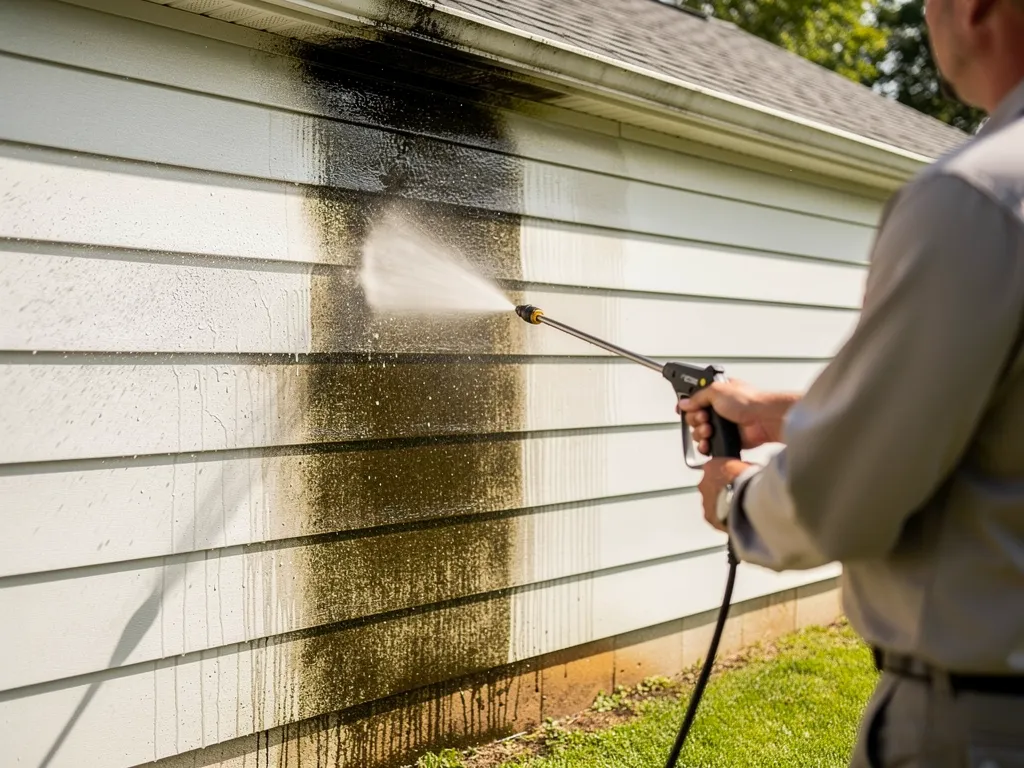
Commercial buildings in Southeast Manitoba typically require soft washing every one to two years. Denver’s Window Cleaning & SoftWash recommends this schedule to prevent organic growth and maintain structural integrity. Location and environmental exposure influence frequency. A professional assessment ensures the optimal cleaning interval for each property.
Why Does Soft Washing Frequency Matter?
Soft washing frequency matters because exterior surfaces accumulate harmful contaminants that damage both appearance and structural integrity. Regular soft washing protects a building’s longevity while preserving its curb appeal.
Soft washing uses low-pressure water combined with an eco-friendly cleaning solution. This gentle method cleans and protects building exteriors without the risks of high-pressure damage. Denver’s Window Cleaning & SoftWash treats harmful contaminants such as mildew, mold, bacteria, and algae during every service. The company sanitizes surfaces while removing dirt and grime.
What Happens When Soft Washing Is Delayed?
Delayed soft washing allows biological growth to take hold. Mold and algae colonies spread across siding, roofing, and walkways. These organisms feed on organic material and moisture. Over time, the growth penetrates surface pores and accelerates material breakdown.
Property owners lose more than appearance when contaminants linger. Structural components weaken as mildew and bacteria work into porous surfaces. Repair costs climb once damage reaches underlying materials.
Why Does Cleaning Method Affect Scheduling?
The cleaning method determines how long results last. Soft washing delivers a deeper clean than standard pressure washing. The eco-friendly solution kills contaminants at the root rather than blasting away surface debris. Denver’s Window Cleaning & SoftWash holds accreditation as the only SoftWash Systems Authorized Professional company in Manitoba. This certification ensures the proper chemical ratios and application techniques for lasting results.
Property owners who choose soft washing over traditional pressure washing extend the interval between cleanings. The sanitizing treatment prevents rapid regrowth. Regular exterior cleaning remains essential for both aesthetic appeal and long-term structural longevity.
What Factors Affect Your Cleaning Schedule?
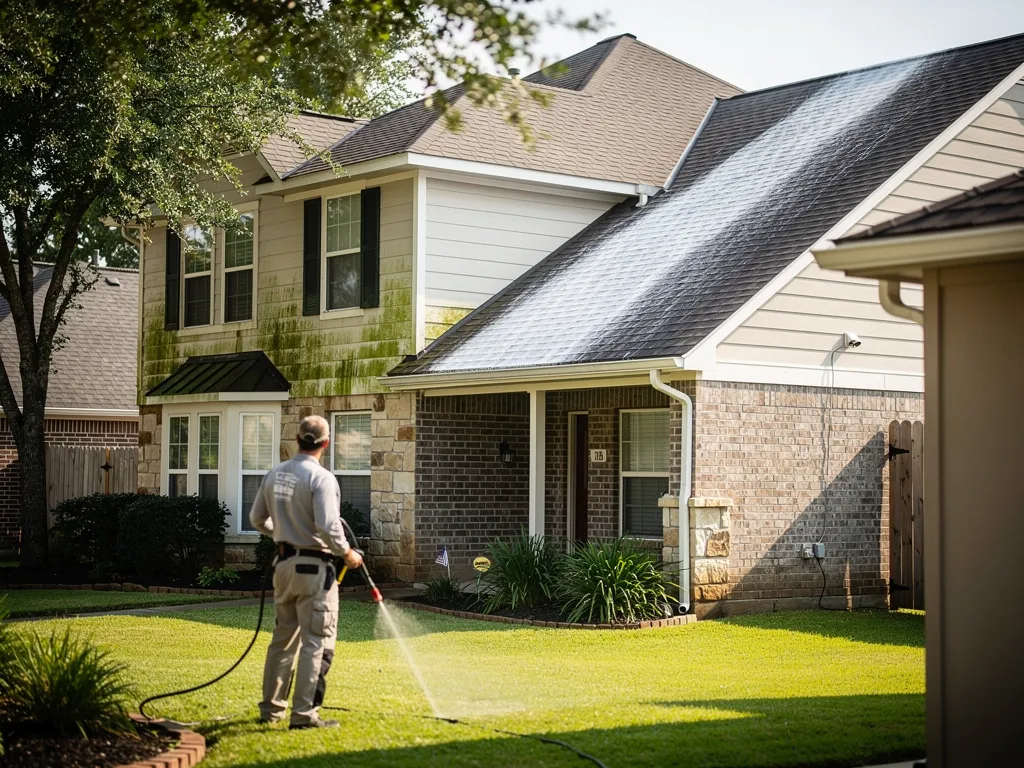
A property’s ideal maintenance interval shifts with its environment, materials, and usage. Several distinct factors determine whether a building needs attention once yearly or more often. Ignoring these variables invites organic growth to take hold, discoloring surfaces and accelerating material degradation long before the damage becomes obvious.
The frequency of professional soft washing depends primarily on location, climate, and surface type, according to SoftWash Systems. Properties situated in regions with high humidity, frequent rainfall, or near bodies of water face greater risk. These conditions foster mold and algae growth on exterior surfaces. Such properties typically require washing more often to combat the continuous buildup of organic contaminants.
What role does landscaping play in cleaning frequency?
Landscaped properties accumulate debris faster than bare lots. Overhanging trees drop organic matter onto roofs and siding. Shaded, north-facing elevations stay damp longer after rain. These surfaces harbor mildew and algae colonies that spread across the building envelope.
Which surfaces demand the most frequent attention?
Material composition directly shapes maintenance demands. Rough-textured siding and porous decking materials trap moisture and debris far more readily than smooth, non-porous finishes. High-traffic zones around entrances and walkways soil faster still. Denver’s Window Cleaning & SoftWash approaches every project as a consultation, asking questions to uncover these specifics before discussing options. A comprehensive exterior home cleaning maintenance guide can help property owners anticipate their building’s unique rhythm.
Homeowners should watch for visible green streaks or dark staining. Discoloration signals that contaminants are already multiplying. Surface type, shade exposure, and moisture levels all combine to create a unique schedule for each property. Neglect allows structural issues to progress silently beneath the grime.
How Often Should Homeowners Soft Wash?
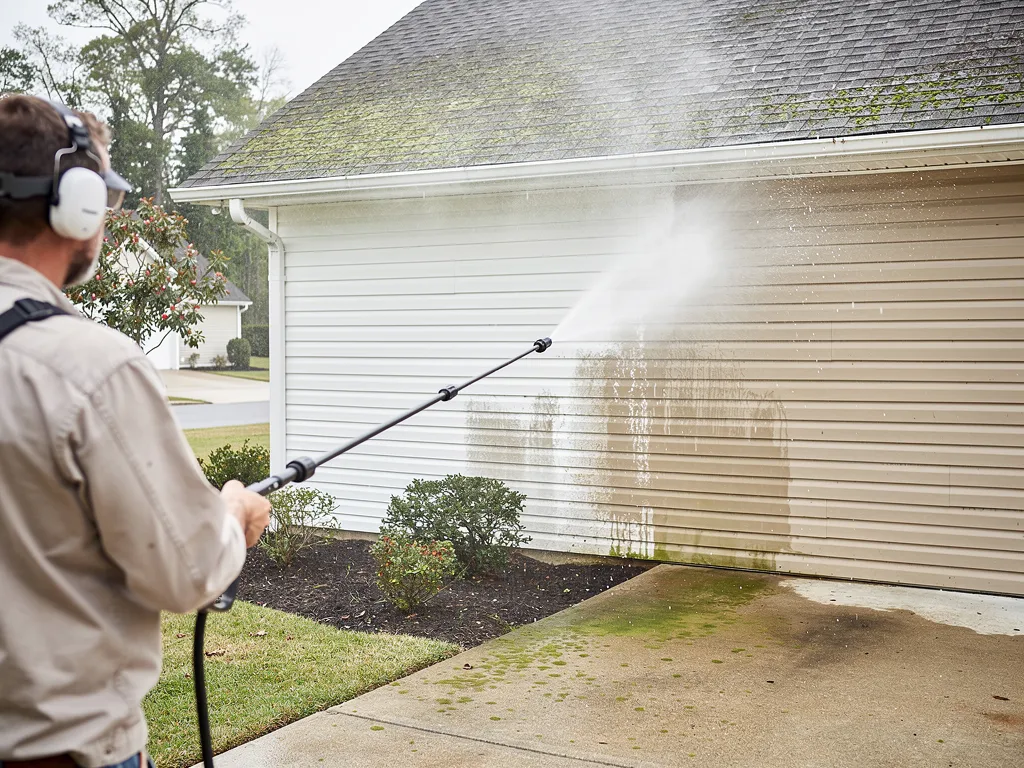
Most experts recommend that homeowners schedule soft washing at least once a year. This annual service protects siding, decks, and other exterior surfaces from embedded grime and organic growth. Skipping a year allows contaminants to bond more tightly to surfaces, which shortens material lifespan and raises restoration costs.
Soft washing is the safest and most efficient way to clean a home’s exterior. The low-pressure method uses an eco-friendly cleaning solution rather than high-pressure force. That distinction matters for homeowners in Southeast Manitoba and the Kenora area. Seasonal moisture encourages mold, mildew, and algae buildup.
What Factors Change the Recommended Frequency?
Several property conditions shift the ideal interval beyond the annual baseline.
- Surface type: Porous materials like stucco and wood siding trap contaminants faster than vinyl or metal.
- Shade and moisture exposure: North-facing walls and heavily shaded elevations stay damp longer, inviting organic growth.
- Surrounding vegetation: Homes near trees or water accumulate pollen, sap, and biological film more quickly.
- Local climate: Southeast Manitoba’s freeze-thaw cycles and humid summers accelerate exterior soiling.
Denver’s Window Cleaning & SoftWash assesses each property before recommending a schedule. The company offers window cleaning, standard pressure washing, and soft washing services. Technicians select the ideal method for the specific surface and contamination level.
How Does a Professional Assessment Work?
A trained technician inspects the home’s exterior materials and identifies the type of buildup present. The assessment determines whether soft washing alone removes the contamination or whether pressure washing suits certain hardscapes better. After the evaluation, the company recommends a cleaning interval matched to the property’s exposure and material needs.
What Happens If Homeowners Wait Too Long?
Delayed cleaning gives organic growth time to penetrate porous surfaces. Stains become harder to remove, and some materials develop permanent discoloration. Annual soft washing removes all traces of dirt and grime before damage sets in. Homeowners who maintain a consistent schedule keep their exteriors looking new for years to come.
What Schedule Do Commercial Buildings Need?
Commercial buildings require exterior soft washing at least once a year to prevent permanent staining and structural degradation. Skipping annual cleaning allows mold, algae, and pollutants to etch into surfaces, leading to costly repairs that far exceed routine maintenance costs.
The ideal schedule shifts based on surface type and exposure. Building facades made of brick, stucco, EIFS, or metal panels benefit from soft washing every one to two years, according to WashLabs. North-facing elevations and heavily shaded areas trap moisture longer. These zones demand annual attention to stop organic growth before it spreads.
High-traffic hardscape follows a tighter rhythm. Sidewalks, parking lots, and entry plazas accumulate grime, oil, and tire marks quickly. WashLabs recommends pressure washing these concrete and masonry surfaces every six to twelve months for commercial properties. Loading docks and service areas, subjected to constant use, often need quarterly or biannual cleaning.
What factors shorten a commercial building’s cleaning interval?
Location drives frequency more than any other variable. Properties near bodies of water, in high-humidity zones, or under dense tree cover develop biological growth faster. SoftWash Systems notes that these conditions push buildings past the standard annual schedule, requiring more frequent attention to maintain a professional appearance.
How does Denver’s Window Cleaning & SoftWash handle commercial properties?
The company serves commercial clients across Southeast Manitoba and the Kenora area with tailored cleaning plans. Technicians assess each building’s materials, orientation, and traffic patterns before recommending a schedule. This consultative approach ensures property managers invest in the right frequency, not a one-size-fits-all calendar. For businesses seeking expert Steinbach MB soft washing, the team delivers results that protect both curb appeal and asset value.
How Do You Build Your Maintenance Plan?
Building a maintenance plan starts with a professional property assessment. Denver’s Window Cleaning & SoftWash provides a free, no-obligation consultation to determine the ideal cleaning schedule for each home or business. Property owners who skip this step risk accelerated surface degradation and costly repairs.
The company evaluates three critical factors during every assessment. Surface material comes first. Climate exposure follows. Building use and traffic patterns complete the picture. These variables directly shape how often soft washing services should be scheduled.
What Happens During a Professional Consultation?
A trained technician inspects all exterior surfaces. The inspection identifies organic growth, staining, and material vulnerabilities. Denver’s Window Cleaning & SoftWash then recommends a customized cleaning frequency. This approach prevents the guesswork that leads to under-cleaning or unnecessary service calls.
How Does the Company Determine the Right Schedule?
The process follows a structured sequence. Each step builds on the previous one to create a plan that protects property value.
- Schedule the assessment. Property owners contact Denver’s Window Cleaning & SoftWash during business hours, Monday to Friday from 8:00 AM to 5:00 PM. The consultation carries no cost and no commitment.
- Complete the surface evaluation. Technicians examine siding, roofing, concrete, and other exterior materials. Different surfaces demand different cleaning intervals.
- Review environmental factors. The team considers shade coverage, prevailing winds, and proximity to water or wooded areas. These elements accelerate organic growth.
- Receive a written maintenance plan. The company delivers a clear schedule outlining recommended service dates. The plan balances protective cleaning with budget considerations.
Denver and Tammy founded this family-owned business in 2006. Their work ethic follows Colossians 3:23, working at everything with all one’s heart. That commitment means every maintenance plan receives thorough, individualized attention. Property managers and homeowners gain a partner who treats exterior care as a long-term investment rather than a one-time transaction.
FAQ
How often should I soft wash my commercial building in Southeast Manitoba?
Commercial buildings in Southeast Manitoba typically require soft washing every one to two years to prevent organic growth and maintain structural integrity.
What happens if I delay soft washing my property?
Delayed soft washing allows mold and algae colonies to spread across surfaces, penetrate pores, and accelerate material breakdown, leading to higher repair costs.
Why does Denver’s Window Cleaning & SoftWash recommend a specific schedule?
Denver’s Window Cleaning & SoftWash recommends a schedule based on location, climate, and surface type. Properties near water or with high humidity need more frequent cleaning.
Conclusion
The right soft washing schedule protects your property’s appearance and structural integrity. The ideal frequency depends on your specific conditions. A professional assessment removes the guesswork and delivers a maintenance plan tailored to your building’s materials, exposure, and use. Property owners who commit to the recommended interval prevent costly damage and preserve curb appeal year after year. Schedule your free consultation today to establish a schedule that keeps your exterior clean and your investment secure.