Discover the Surfaces You Can Safely Clean With Soft Washing Techniques Today!
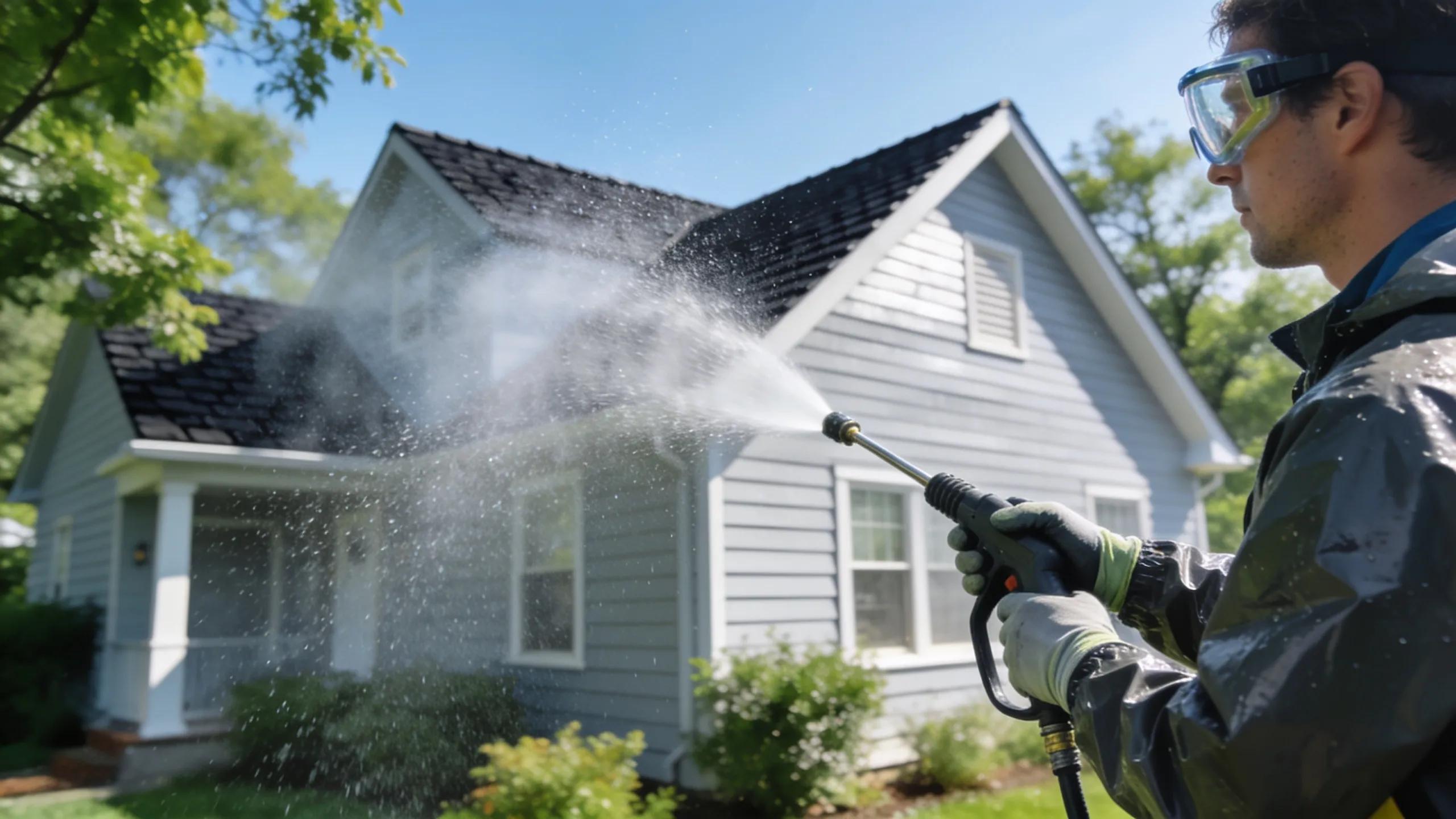
Soft washing uses low-pressure water combined with specialized biodegradable solutions to clean exterior surfaces effectively. It is a suitable choice for homeowners who want to preserve appearance and extend the service life of their properties without the risks of high-pressure washing. This article outlines which surfaces are appropriate for soft washing, recommended practices for safe and effective application, and key safety and environmental considerations. It also compares soft washing with traditional pressure washing and highlights the relative safety and environmental benefits.
Suitable Surfaces for Soft Washing:
Soft washing is appropriate for a wide range of exterior materials. The sections below describe specific surfaces that benefit from this gentle, yet effective, cleaning approach.
Roofs:
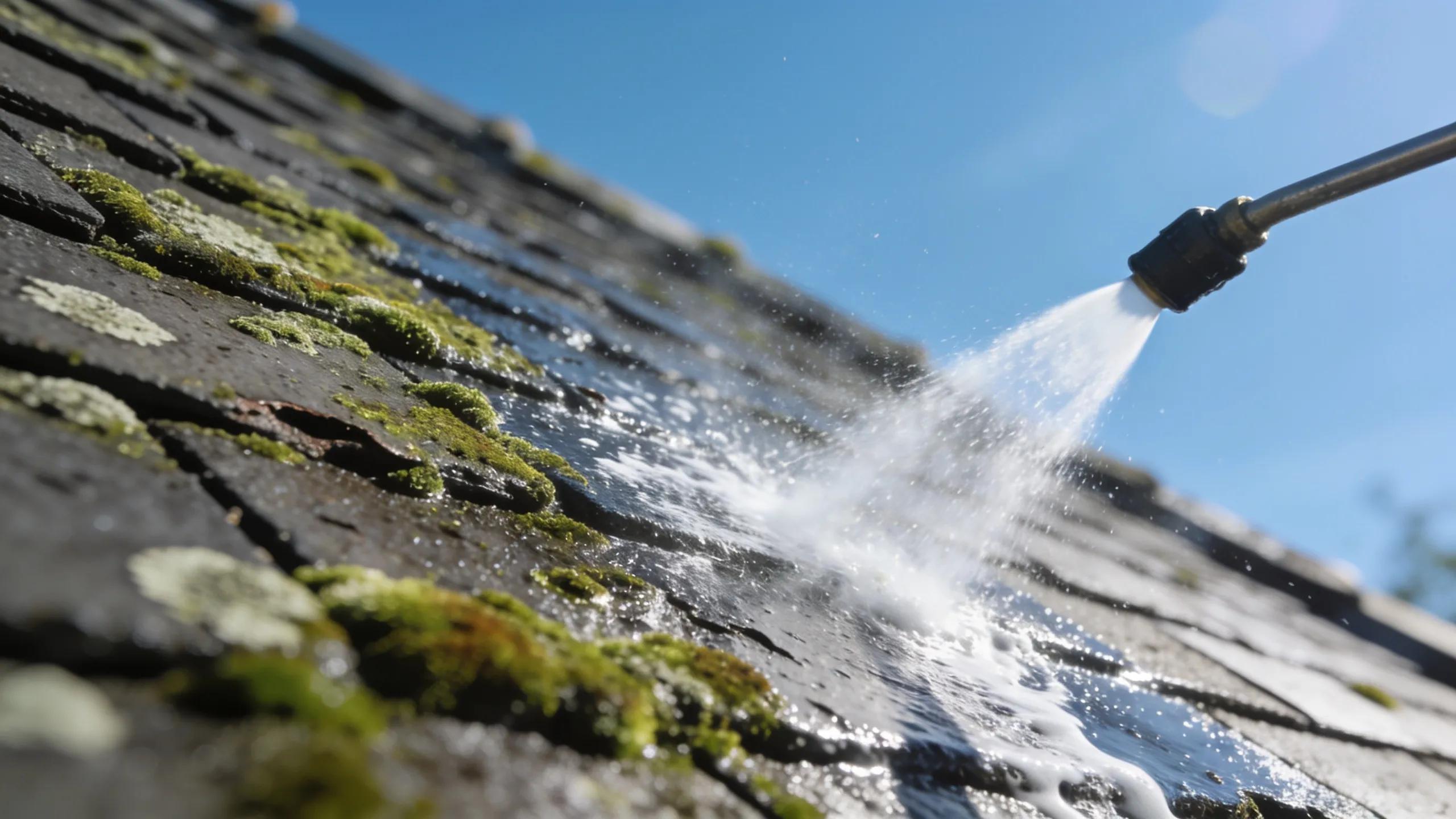
Roofs require careful maintenance as they protect the entire structure. Soft washing is suitable for asphalt shingle, tile and metal roofs and removes algae, moss and lichen without harming roofing materials. Regular soft washing can extend a roof’s useful life and improve curb appeal. For professional assistance in maintaining your property, consider local soft wash services to ensure optimal results.
Siding:
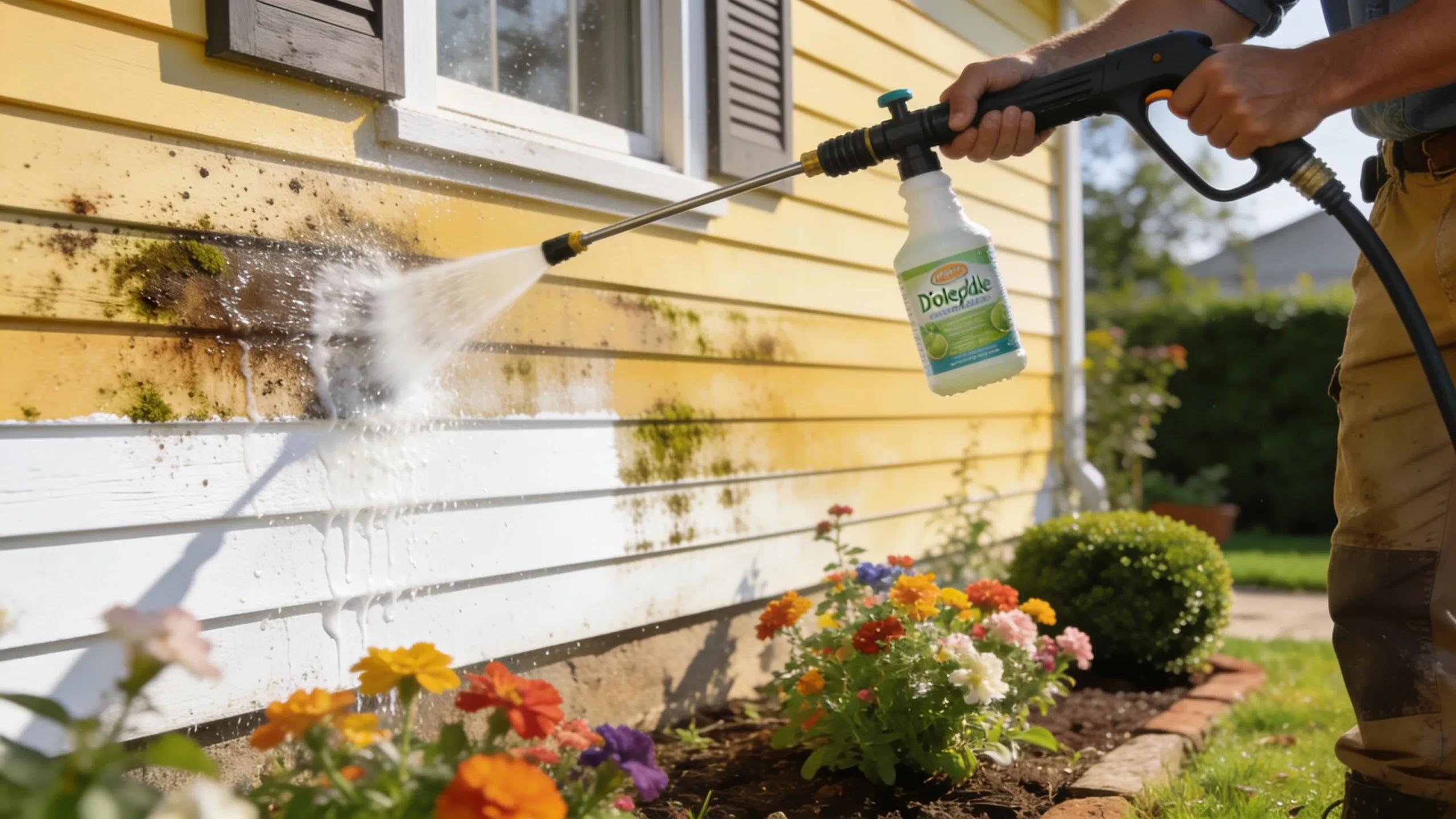
Vinyl, wood and fiber cement siding can be cleaned safely with soft washing. The method removes dirt, mold and mildew that can cause long-term deterioration while avoiding abrasive pressure that damages siding. Routine soft washing helps preserve material integrity and reduce the likelihood of costly repairs.
Decks and Fences:
Wooden decks and fences weather and stain over time. Soft washing employs low-pressure water and eco-friendly cleaning solutions to restore appearance without causing splintering or structural harm, helping to protect and prolong the life of outdoor timber and fencing.
Stucco:
Stucco often accumulates dirt, algae and stains. Soft washing removes these contaminants without degrading the surface finish, helping preserve the integrity and appearance of the stucco and reducing the need for repairs or repainting.
Gutters:
Maintaining clean gutters is essential for proper drainage and to prevent water damage. Soft washing removes debris, dirt and staining from gutters without risking damage to the gutter system, helping ensure water is directed away from the foundation.
Certain Masonry:
Brick and stone masonry can also benefit from soft washing. The technique removes dirt, algae and efflorescence without harming mortar or stone, preserving the aesthetic and slowing deterioration caused by biological growth.
Recommended Practices for Cleaning:
Follow established practices to ensure soft washing is effective and safe for both surfaces and the environment.
- Pre-assessment: Before beginning the soft washing process, conduct a thorough assessment of the surfaces to identify any specific issues or areas that require special attention.
- Use of biodegradable products: Opt for eco-friendly cleaning solutions that are safe for the environment and effective in removing dirt and contaminants.
- Controlled application: Use low-pressure equipment to apply the cleaning solution evenly across the surface, allowing it to dwell for the recommended time to maximize effectiveness.
Local companies specializing in eco-friendly exterior cleaning can apply these practices with care and technical expertise.
Important Safety Considerations:
Adopt appropriate safety measures to protect property, personnel and the surrounding environment when performing soft washing.
- Surface compatibility: Ensure that the surfaces being cleaned are compatible with soft washing to prevent any damage.
- Health concerns: Use protective gear, such as gloves and masks, to avoid exposure to cleaning solutions and contaminants.
- Protecting landscaping: Take precautions to shield plants and landscaping features from cleaning solutions, as they can be sensitive to chemicals.
What Is Soft Washing and How Does It Benefit Exterior Surfaces?
Soft washing combines low-pressure water with specialized biodegradable solutions to remove dirt, mold and other contaminants from exterior surfaces. This approach delivers a thorough clean while minimising the risk of damage to materials or landscaping that can occur with high-pressure washing, preserving surfaces and restoring appearance.
How Does Soft Washing Differ From Pressure Washing?
Soft washing and pressure washing are distinct methods with different applications and advantages.
- Methodologies: Soft washing uses low-pressure water combined with eco-friendly cleaning solutions, while pressure washing relies on high-pressure water to remove dirt and grime.
- Surface compatibility: Soft washing is suitable for delicate surfaces like roofs and siding, whereas pressure washing is better suited for hard surfaces like concrete and brick.
- Safety considerations: Soft washing minimizes the risk of damage to surfaces and surrounding areas, making it a safer option for many cleaning tasks.
Local providers can advise on both methods and recommend the most appropriate solution for each surface and condition.
What Are the Environmental and Safety Advantages of Soft Washing?
Soft washing offers several environmental and safety advantages compared with traditional cleaning methods.
- Biodegradable solutions: The use of eco-friendly cleaning products minimizes environmental impact and reduces the risk of chemical runoff.
- Water conservation: Soft washing typically uses less water than pressure washing, making it a more sustainable option for cleaning.
- Health benefits: By effectively removing mold and mildew, soft washing contributes to a healthier living environment for homeowners and their families.
Which Roof Types Are Safe to Clean Using Soft Washing Techniques?
Soft washing is appropriate for common roof types, including:
- Asphalt shingles: This material is particularly vulnerable to damage from high-pressure washing, making soft washing the ideal choice.
- Tile roofs: Soft washing effectively cleans tile roofs without risking breakage or damage.
- Metal roofs: Soft washing can safely remove dirt and debris from metal roofs, preserving their integrity.
Is Soft Washing Suitable for Asphalt Shingles and Tile Roofs?
Soft washing effectively removes algae, moss and dirt from asphalt shingle and tile roofs without damaging the roofing materials. Regular application helps maintain appearance and extend the roof’s service life while reducing the risk of costly repairs.
How Does Soft Washing Protect Roof Integrity Compared to Other Methods?
Soft washing protects roof integrity by using low-pressure water and biodegradable solutions that do not strip protective coatings or displace roofing components. Unlike high-pressure washing, which can loosen shingles and create leaks, soft washing cleans while helping to preserve the roof’s function and longevity.
What Exterior Siding Materials Can Be Effectively Cleaned With Soft Washing?
Soft washing is effective for cleaning a range of siding materials, including:
- Vinyl siding: This material can accumulate dirt and mold, which soft washing effectively removes without damage.
- Wood siding: Soft washing helps preserve the integrity of wood siding while removing contaminants that can lead to rot.
- Fiber cement siding: This durable material benefits from soft washing, which cleans without causing wear or damage.
Can Vinyl, Wood, and Fiber Cement Siding Be Soft Washed Safely?
Soft washing safely cleans vinyl, wood and fiber cement siding by removing dirt, mold and mildew while preserving material integrity. Regular soft washing supports the appearance and longevity of these surfaces.
What Are the Benefits of Soft Washing Over Traditional Cleaning for Siding?
Soft washing offers several benefits compared to traditional cleaning methods for siding:
- Surface protection: The gentle nature of soft washing prevents damage to siding materials, ensuring they remain intact.
- Effective mold removal: Soft washing effectively eliminates mold and mildew, which can cause long-term damage if left untreated.
- Enhanced curb appeal: Regular soft washing helps maintain the aesthetic appeal of siding, contributing to the overall appearance of the property.
How Can Soft Washing Safely Clean Decks and Driveways?
Soft washing removes dirt and stains from decks and driveways without risking material damage. By using low-pressure water and biodegradable solutions, this method restores appearance while protecting surfaces from premature wear.
Which Deck Materials Are Compatible With Soft Washing?
Soft washing is compatible with various deck materials, including:
- Wood decks: This method effectively cleans wood without causing splintering or damage.
- Composite decks: Soft washing can safely remove dirt and stains from composite materials, preserving their appearance.
- Vinyl decks: Soft washing is gentle enough to clean vinyl decks without causing fading or damage.
Is Soft Washing Effective and Safe for Concrete and Paver Driveways?
Soft washing is effective for concrete and paver driveways, removing dirt, stains and algae without risking surface damage. Regular soft washing helps maintain both appearance and functionality.
What Safety Precautions and Eco-Friendly Chemicals Are Used in Soft Washing?
Use appropriate safety precautions and biodegradable chemicals to protect both the environment and the people involved in the cleaning process.
- Types of chemicals: Biodegradable cleaning solutions are used to minimize environmental impact while effectively removing contaminants.
- Environmental safety: Soft washing techniques reduce the risk of chemical runoff, ensuring that surrounding plants and wildlife are protected.
How Can You Schedule a Professional Soft Washing Service for Your Property?
To schedule a professional soft washing service, homeowners should:
- Determine their needs: Assess the surfaces that require cleaning and any specific issues that need to be addressed.
- Find service providers: Research local companies that specialize in soft washing, known for their expertise in eco-friendly cleaning solutions.
- Request a consultation: Many providers offer free consultations to discuss the cleaning process and provide estimates.
What Does a Free Consultation for Soft Washing Include?
A free consultation typically includes:
- Assessment of surfaces: The service provider will evaluate the surfaces that require cleaning and identify any specific issues.
- Discussion of cleaning methods: The provider will explain the soft washing process and the eco-friendly products used.
- Cost estimate: Homeowners will receive an estimate for the cleaning services based on the assessment.
How Does Local Soft Wash Ensure Quality and Customer Satisfaction?
Local soft wash companies prioritise quality and customer satisfaction through clear communication and careful execution by trained professionals who follow established procedures to clean surfaces safely and effectively.
By choosing a reputable soft wash service, homeowners can trust that their properties will receive professional care and expertise in soft washing services.
Frequently Asked Questions
1. What is the best frequency for soft washing surfaces?
Frequency depends on local climate, nearby vegetation and the material of the surface. As a general guideline, roofs are often soft washed every 2 to 3 years, while siding may be maintained annually or every two years in damp conditions. Regular cleaning helps prevent mould and staining and reduces long-term damage.
2. Are there any surfaces that should not be cleaned with soft washing?
Most exterior surfaces respond well to soft washing, but very porous or untreated wood may absorb excess moisture and be at risk of damage. Surfaces with loose paint or compromised structural integrity may also be unsuitable. A professional assessment will determine whether soft washing is appropriate for specific materials.
3. Is soft washing safe for plants and landscaping?
Yes, when performed with proper precautions. Professionals use biodegradable, eco-friendly solutions and typically take steps to protect sensitive plants. Informing your provider about landscaping concerns allows them to apply additional safeguards during the process.
4. How long does a soft washing session usually take?
Duration varies with the size of the area and the types of surfaces. A typical residential soft wash takes approximately 1 to 3 hours, including preparation, application and rinsing. Larger or more complex properties will require more time; a provider can give a precise estimate during consultation.
5. Can I perform soft washing myself, or should I hire a professional?
DIY soft washing is possible, but hiring professionals is generally advisable. Professionals have access to specialised equipment, eco-friendly cleaning solutions and the expertise to assess materials and manage potential issues, reducing the risk of damage—particularly on roofs and delicate surfaces.
6. How can soft washing contribute to maintaining property value?
Regular soft washing improves curb appeal and protects surfaces from mould, mildew and other contaminants that accelerate deterioration. This preventive maintenance reduces the likelihood of costly repairs and supports the long-term value of the property.
7. What should I do to prepare my property before a soft washing service?
Before a service, remove outdoor furniture, planters and decorations that may be moved or damaged. Trim back overgrown plants and shrubs near the areas to be cleaned and notify the provider of any special concerns so they arrive prepared to deliver the best possible service.
Conclusion
Soft washing provides a safe, effective method to clean and maintain exterior surfaces, extending their service life and enhancing curb appeal. By using biodegradable solutions and low-pressure techniques, homeowners obtain reliable results without the risks associated with high-pressure washing. Regular soft washing can help prevent costly repairs and support property value. To learn more about our professional soft washing services, reach out to us today for a free consultation!