Is Soft Washing Safe for Your Home’s Siding and Roof? Discover the Truth!
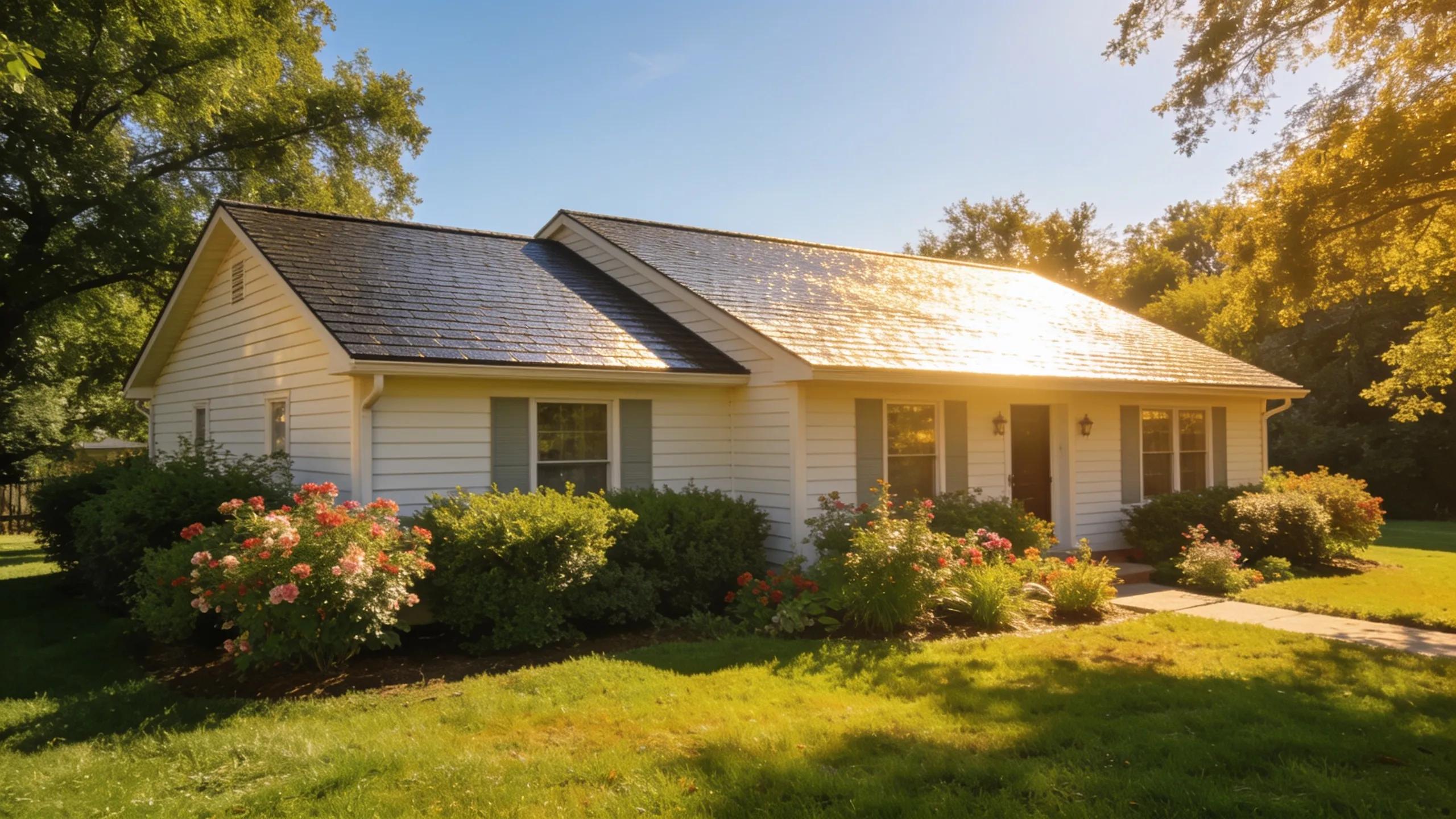
Soft washing employs low-pressure water together with formulated cleaning solutions to remove dirt, mold and algae from exterior surfaces. The technique is well suited to protecting siding and roofing because it reduces the risk of surface damage associated with high-pressure washing. This article examines the safety, effectiveness and best practices for soft washing, addresses common concerns and misconceptions, and explains which surfaces are appropriate and what risks to consider so homeowners can make informed maintenance decisions. Denver’s Soft Wash provides professional soft washing services tailored to local needs.
Safety
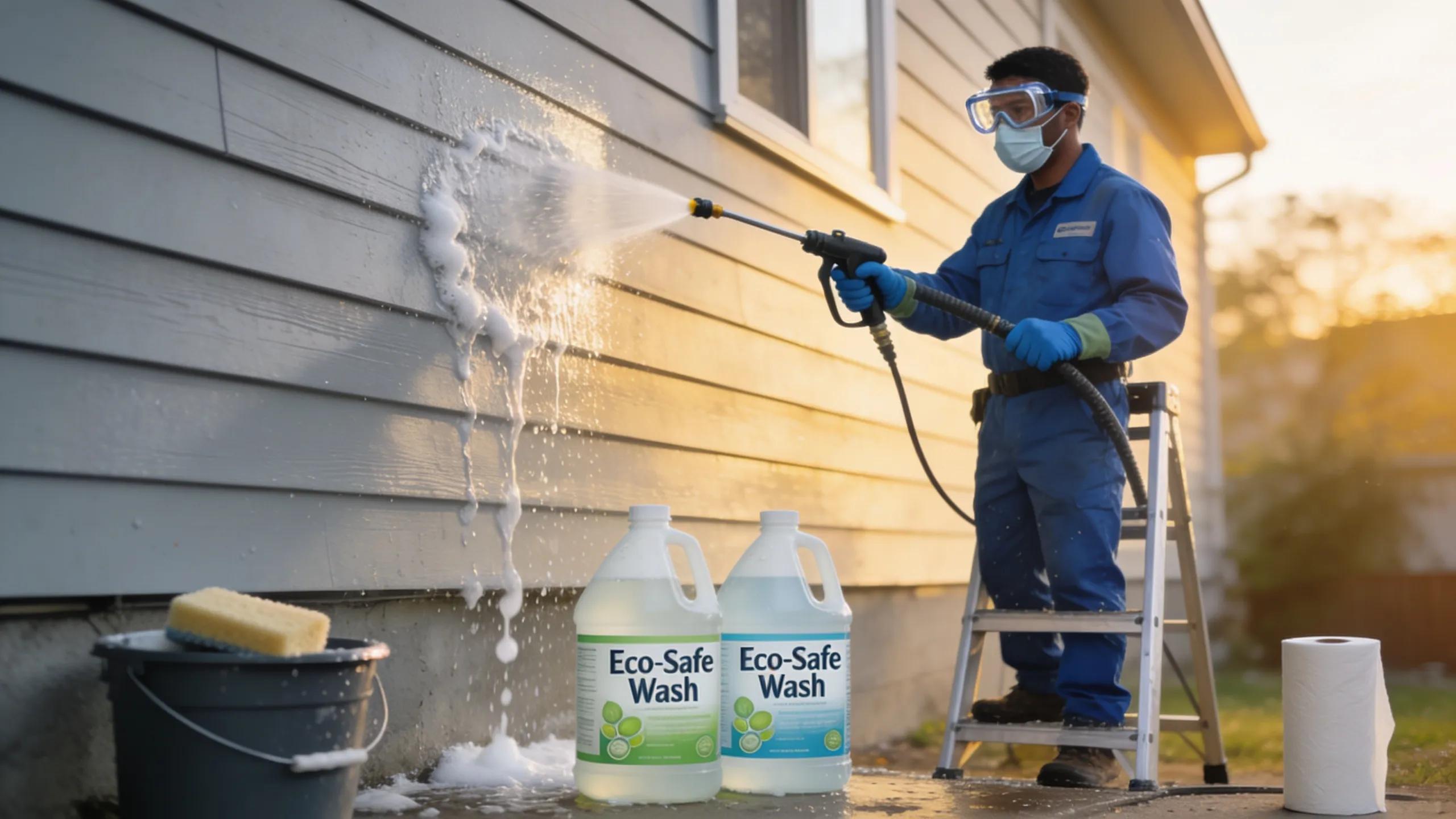
Safety is the primary consideration when selecting a cleaning method. Soft washing is designed to be gentle on materials while removing harmful contaminants. Reputable providers use biodegradable cleaning agents and manage runoff to protect landscaping and adjacent areas. Trained technicians apply low-pressure techniques to minimise the chance of surface damage, making soft washing a safer option than high-pressure methods for many exterior materials.
Effectiveness
Soft washing effectively cleans roofs, siding and other exterior surfaces by removing mold, algae and accumulated dirt. The cleaning solutions penetrate surface layers to deliver a longer-lasting result than surface-only rinses. Homeowners should expect immediate visual improvement plus reduced deterioration and lower maintenance needs over time when soft washing is applied correctly.
Potential Risks
Soft washing is generally safe, but risks exist when procedures or products are inappropriate. Incorrect application or overly aggressive chemicals can cause compatibility issues with certain materials. Mishandled solutions also present health and environmental concerns. Engaging experienced professionals who follow established protocols mitigates these risks.
Best Practices
To ensure an effective and safe soft washing service, follow these recommended practices.
- Regular Maintenance Schedule: Establish a routine cleaning schedule to prevent the buildup of mold and algae.
- Post-Cleaning Inspection: After the soft washing process, inspect the surfaces for any remaining contaminants or damage.
- Professional Assessment: Consult with a qualified soft washing provider to determine the best approach for your specific surfaces.
For residents in the Denver area, Denver’s Soft Wash delivers qualified soft washing services aligned with these best practices.
What Is Soft Washing and How Does It Protect Your Home’s Exterior?
Soft washing is a cleaning method that combines low-pressure water with targeted cleaning agents to remove dirt, mold and algae. By avoiding high-pressure force, it cleans thoroughly without compromising materials such as vinyl, wood or fibre cement siding. The use of biodegradable solutions also supports long-term exterior preservation.
How Does Soft Washing Differ from Traditional Pressure Washing?
Soft washing differs from pressure washing in both pressure and chemistry. Pressure washing relies on high-pressure water to dislodge debris, which can damage delicate surfaces. Soft washing uses low pressure and formulated cleaning solutions that break down contaminants at the surface level, achieving a deeper clean while reducing the risk of harm.
What Cleaning Solutions Are Used in Soft Washing?
Soft washing solutions are typically biodegradable formulations designed to break down organic growth and grime. Common components include sodium hypochlorite, surfactants and water; these work together to penetrate surfaces and lift contaminants. Proper dilution and application by trained technicians are essential to ensure safety and effectiveness.
Is Soft Washing Safe for Different Types of Home Siding?
Soft washing is appropriate for many siding types, including vinyl, wood and stucco, when applied with material-specific procedures. Each substrate requires a tailored approach to avoid damage and achieve optimal results. Professional assessment ensures the chosen method matches the siding characteristics.
How Does Soft Washing Affect Vinyl, Wood, and Fiber Cement Siding?
Soft washing removes contaminants from various siding materials while protecting their surface integrity when performed correctly.
- Vinyl Siding: Soft washing removes dirt and mold without scratching or damaging the surface.
- Wood Siding: This method helps prevent rot and decay by eliminating moisture-retaining mold and algae.
- Fiber Cement Siding: Soft washing cleans effectively while preserving the integrity of the material, ensuring longevity.
What Are the Benefits of Soft Washing for Siding Longevity?
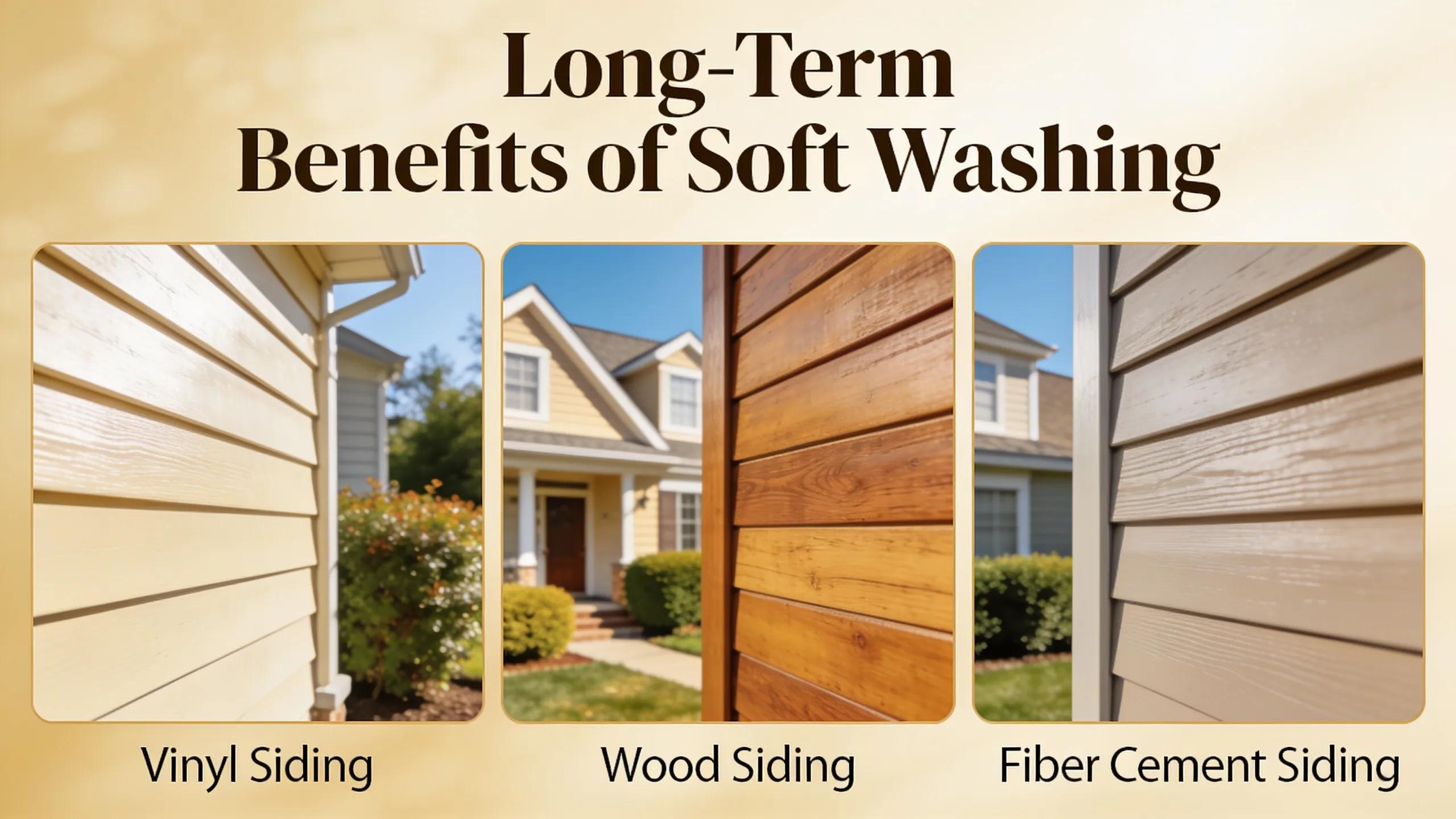
Soft washing supports the long-term condition of siding through several practical benefits:
- Protection from Damage: By using low pressure, soft washing prevents the physical damage that can occur with high-pressure washing.
- Prevention of Rot and Decay: Regular soft washing removes mold and algae, which can lead to deterioration over time.
- Reduced Maintenance Frequency: A thorough clean can extend the time between necessary maintenance, saving homeowners time and money.
Can Soft Washing Safely Clean Various Roof Types?
Soft washing is suitable for a range of roofing materials, including asphalt shingles, metal and tile. When adapted to the roof type and applied by trained technicians, the method removes algae and moss without compromising the roof covering.
Is Soft Washing Suitable for Asphalt Shingles, Tile, and Metal Roofs?
Yes, soft washing is safe for all these roofing materials when performed with appropriate techniques.
- Asphalt Shingles: Soft washing effectively cleans without dislodging shingles or causing leaks.
- Tile Roofs: This method removes debris and contaminants while preserving the tiles’ integrity.
- Metal Roofs: Soft washing prevents rust and corrosion by eliminating harmful substances without high-pressure impact.
What Are the Risks and Precautions When Soft Washing Roofs?
Risks include incorrect chemical use and improper application, which can harm roofing materials or landscaping. Technicians should select solutions compatible with the roofing material, control runoff and follow safety procedures to protect the property and occupants.
How Does Soft Washing Compare to Pressure Washing in Terms of Damage Risk?
Soft washing reduces damage risk compared with pressure washing. High-pressure jets can strip coatings and damage delicate surfaces; low-pressure soft washing cleans effectively while preserving material integrity. For many exterior tasks, soft washing is the safer maintenance choice.
What Evidence Supports Soft Washing’s Reduced Damage Risk?
Industry research and prevailing professional practice indicate that low-pressure cleaning methods preserve surface integrity while removing contaminants. Many contractors and material manufacturers recommend low-pressure approaches for delicate substrates based on these findings.
Why Is Low Pressure Important for Exterior Cleaning Safety?
Low pressure is important because it minimises the chance of paint removal, surface cracking and water intrusion that can result from high-pressure washing. Using gentle pressure protects materials while allowing cleaning agents to do the work.
What Environmental and Health Benefits Does Soft Washing Offer?
Soft washing offers environmental and health benefits such as improved indoor air quality by removing mold, reduced use of harsh chemicals through biodegradable formulations, and extended material life that reduces waste from premature replacement.
Are Soft Washing Chemicals Biodegradable and Safe for the Environment?
Many soft washing solutions are formulated to be biodegradable and to break down naturally, which reduces the risk of long-term contamination. Proper application and runoff management remain important to protect plants and watercourses.
How Does Soft Washing Contribute to Sustainable Home Maintenance?
Soft washing supports sustainable maintenance by extending the service life of exterior materials and reducing the frequency of replacements. The use of biodegradable solutions and measured application lowers environmental impact while helping homeowners avoid larger repair costs.
How to Choose a Reliable Soft Washing Service in Denver?
When choosing a provider, evaluate experience, customer feedback and the range of services offered. Verify that the company follows industry best practices and can tailor its approach to your property.
What Qualifications and Expertise Should a Soft Washing Provider Have?
A dependable provider should demonstrate industry experience, carry relevant certifications and maintain insurance to protect against accidental damage. These elements reflect a commitment to safe, high-quality service.
Why Is Denver’s Climate Important in Soft Washing Service Selection?
Local climate affects cleaning needs: Denver’s dry conditions can lead to dust accumulation and seasonal growth that influence scheduling and product choice. Homeowners outside Denver, including those in Winnipeg, should select local experts who understand regional conditions.
Frequently Asked Questions
1. What should homeowners do to prepare for soft washing?
Clear the area around surfaces to be cleaned by moving furniture, decorations and vehicles out of the way. Cover or temporarily relocate potted plants and fragile items. Inform the service provider of any specific concerns or areas that require special attention.
2. How often should soft washing be performed?
Frequency depends on local conditions, but a typical interval is every one to two years for residential exteriors. Properties in humid areas or beneath heavy tree cover may require annual cleaning to prevent buildup.
3. Can soft washing help with pest problems?
Soft washing can reduce conditions that attract pests by removing organic growth and debris that provide food and shelter. For active infestations, consult a pest control professional; soft washing is a preventive maintenance measure rather than a primary pest treatment.
4. Are there any post-cleaning care tips after soft washing?
Conduct a visual inspection after cleaning to confirm contaminants have been removed. Allow surfaces to dry for at least 24 hours before replacing items near cleaned areas and monitor for any missed spots or new growth in the weeks that follow.
5. How does the choice of cleaning solutions affect the soft washing process?
Solution selection determines both effectiveness and safety. Biodegradable, surface-appropriate formulations break down organic matter without unduly harming plants or nearby environments. A professional provider will choose and dilute solutions based on surface type and the nature of the buildup.
6. What certifications should a soft washing technician possess?
Qualified technicians often hold certifications from recognised industry organisations and training in environmental safety, solution handling and equipment operation. Such credentials indicate adherence to established best practices and safety standards.
7. How can I tell if my home needs soft washing?
Indicators include visible dirt, mold or algae on siding or roofs, dark streaks on shingles, or changes in exterior colour and texture. Regular inspections help identify these issues early so you can schedule professional cleaning as needed.
Conclusion
Soft washing is a safe, effective method for maintaining exterior surfaces when performed by trained professionals using appropriate, biodegradable solutions. The approach reduces damage risk, helps prevent mold and algae buildup and can extend the life of siding and roofing materials. Arrange professional soft washing as part of a regular maintenance plan to protect your property and preserve curb appeal.